Basement Flooding in Low-Risk Areas: What Insurance Covers and What Does Not

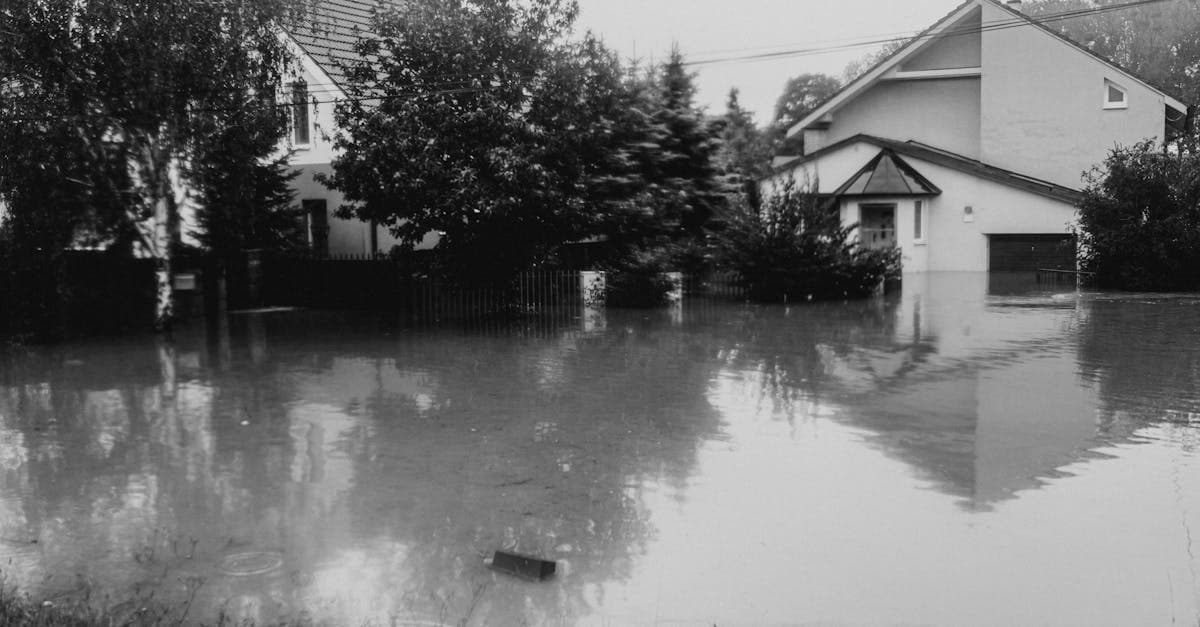
The National Flood Insurance Program was created in 1968 after the federal government recognized that private insurers had largely abandoned the flood insurance market and that disaster relief alone was insufficient to address flood losses. Since then, the NFIP has evolved significantly in how it defines and communicates flood risk to homeowners.
FEMA flood maps — formally called Flood Insurance Rate Maps — were designed to identify areas with the highest flood risk and mandate insurance coverage for mortgaged properties in those zones. But these maps were never intended to suggest that areas outside high-risk zones face zero risk. The zones represent gradients of probability, not binary safe and unsafe designations.
Over the decades, flood patterns have shifted. Urban development has increased impervious surfaces and overwhelmed drainage systems designed for smaller populations. Climate change has intensified precipitation events and altered storm tracks. And many FEMA flood maps have not been updated to reflect these changes — some areas still rely on flood risk assessments from the 1980s or 1990s.
The result is a growing mismatch between FEMA flood designations and actual flood risk. Homes that sit comfortably in low-risk zones on paper face genuine and increasing flood exposure from conditions the original maps never anticipated. This mismatch is why flood insurance outside high-risk zones has become an increasingly important topic for homeowners, insurers, and emergency managers alike.
Flood Mitigation Measures That Complement Insurance Coverage
The story does not end there. While flood insurance provides financial protection, physical mitigation measures reduce the likelihood and severity of flood damage. The most effective strategy combines insurance coverage with practical prevention steps.
Maintain proper grading: The ground around your foundation should slope away from your home at a rate of at least one inch per foot for the first six feet. Proper grading directs surface water away from your foundation and reduces the risk of water pooling against basement walls.
Clean and extend gutters and downspouts: Gutters collect roof runoff and downspouts direct it away from your foundation. Ensure gutters are clean and functional, and extend downspouts at least four to six feet from your foundation. Downspout extensions are inexpensive and highly effective.
Install and maintain sump pumps: If your home has a basement or crawl space, a sump pump system provides active protection against groundwater intrusion. Install a battery backup system to maintain protection during power outages, which often coincide with severe storms.
Seal foundation cracks: Even small cracks in your foundation can allow water intrusion during heavy saturation. Hydraulic cement, epoxy injection, and professional waterproofing seal these entry points and reduce basement flooding risk.
Install backflow prevention valves: A backflow prevention valve on your sewer line prevents sewage from backing up into your basement through floor drains during heavy rainfall. These valves are relatively inexpensive to install and address one of the most common basement water intrusion sources.
Elevate mechanical systems: Where possible, elevate your furnace, water heater, washer, dryer, and electrical panel above potential flood levels. Elevating these critical systems reduces the financial impact of flooding even if water does enter your home.
Document your home and belongings: Maintain a current inventory of your home's features and personal property with photos and receipts. This documentation speeds the insurance claims process and ensures you receive full compensation for flood losses.
How Climate Change Is Expanding Flood Risk Beyond Traditional Zones
The story does not end there. Climate change is fundamentally altering the flood risk landscape in ways that traditional FEMA mapping has not fully captured. Understanding these trends helps homeowners in all zones assess their evolving flood exposure — because the unhedged exposure that leaves homeowners financially devastated when a low-probability flood event actually occurs.
Intensifying precipitation: Warmer temperatures increase atmospheric moisture capacity, leading to more intense rainfall events. Studies show that extreme precipitation events are becoming more frequent and more severe across most of the United States, delivering more water in shorter periods.
Shifting storm patterns: Traditional storm tracks are changing, bringing heavy rainfall to areas that historically experienced less precipitation. Communities that designed drainage infrastructure for historical rainfall patterns are discovering that current storms exceed design capacity.
Sea level rise and coastal effects: Even for homes not directly on the coast, sea level rise reduces the capacity of coastal drainage systems and raises water tables in near-coastal areas. These effects extend flood risk inland beyond traditional coastal flood zones.
Urban heat island effects: Urban areas absorb and retain heat, which can intensify convective storms. Cities are experiencing more frequent and more intense rainfall events that overwhelm storm drainage systems designed for historical conditions.
Compound events: Climate change is increasing the likelihood of compound flood events — situations where multiple factors combine, such as heavy rainfall during high tide, rain-on-snow events, or sequential storms that saturate soil before additional precipitation arrives.
The forward-looking perspective: Purchasing flood insurance based on historical risk alone may understate your future exposure. Climate trends suggest that flood risk is increasing in most areas, making current low-risk designations less reliable as predictors of future flooding. A proactive approach to flood insurance accounts for where risk is heading, not just where it has been.
Basement Flooding in Low-Risk Areas: Protection and Coverage
What happened next changed everything. Basements are the most vulnerable part of any home when it comes to water intrusion, and basement flooding occurs in low-risk areas far more often than most homeowners realize. Understanding the coverage options for basement flooding helps protect one of your home's most valuable spaces.
Why basements flood in low-risk areas: Heavy rainfall saturates the soil around your foundation, and hydrostatic pressure forces water through cracks, joints, and porous concrete. Rising water tables during wet periods can push water up through basement floors. And overwhelmed storm drains can send water flowing into window wells and basement entrances.
What NFIP flood insurance covers in basements: NFIP coverage for basements is more limited than for above-grade spaces. It covers structural elements like foundation walls and floors, essential equipment like furnaces, water heaters, and electrical panels, and cleanup costs. It does not cover finished improvements like drywall, paneling, carpet, or built-in cabinets below the lowest elevated floor.
What private flood insurance may cover: Some private flood insurers offer broader basement coverage than the NFIP, including coverage for finished basement improvements. If you have a finished basement, a private flood policy with basement coverage may provide significantly more protection than an NFIP policy.
Sewer backup coverage for basements: If water enters your basement through floor drains or sewer connections, sewer backup coverage on your homeowners policy responds. This coverage may pay for damage to finished basement spaces that flood insurance does not cover, depending on the water source.
Prevention measures: While insurance provides financial protection, prevention reduces the likelihood of claims. Maintaining sump pumps with battery backup, sealing foundation cracks, ensuring proper grading around your foundation, and maintaining gutters and downspouts all reduce basement flood risk.
The coverage strategy: For homes with finished basements in low-risk areas, the most comprehensive strategy combines flood insurance for structural and equipment coverage, sewer backup coverage for drain-related water intrusion, and a private flood policy that covers finished basement improvements if available.
How Climate Change Is Expanding Flood Risk Beyond Traditional Zones
The story does not end there. Climate change is fundamentally altering the flood risk landscape in ways that traditional FEMA mapping has not fully captured. Understanding these trends helps homeowners in all zones assess their evolving flood exposure — because the unhedged exposure that leaves homeowners financially devastated when a low-probability flood event actually occurs.
Intensifying precipitation: Warmer temperatures increase atmospheric moisture capacity, leading to more intense rainfall events. Studies show that extreme precipitation events are becoming more frequent and more severe across most of the United States, delivering more water in shorter periods.
Shifting storm patterns: Traditional storm tracks are changing, bringing heavy rainfall to areas that historically experienced less precipitation. Communities that designed drainage infrastructure for historical rainfall patterns are discovering that current storms exceed design capacity.
Sea level rise and coastal effects: Even for homes not directly on the coast, sea level rise reduces the capacity of coastal drainage systems and raises water tables in near-coastal areas. These effects extend flood risk inland beyond traditional coastal flood zones.
Urban heat island effects: Urban areas absorb and retain heat, which can intensify convective storms. Cities are experiencing more frequent and more intense rainfall events that overwhelm storm drainage systems designed for historical conditions.
Compound events: Climate change is increasing the likelihood of compound flood events — situations where multiple factors combine, such as heavy rainfall during high tide, rain-on-snow events, or sequential storms that saturate soil before additional precipitation arrives.
The forward-looking perspective: Purchasing flood insurance based on historical risk alone may understate your future exposure. Climate trends suggest that flood risk is increasing in most areas, making current low-risk designations less reliable as predictors of future flooding. A proactive approach to flood insurance accounts for where risk is heading, not just where it has been.
Basement Flooding in Low-Risk Areas: Protection and Coverage
What happened next changed everything. Basements are the most vulnerable part of any home when it comes to water intrusion, and basement flooding occurs in low-risk areas far more often than most homeowners realize. Understanding the coverage options for basement flooding helps protect one of your home's most valuable spaces.
Why basements flood in low-risk areas: Heavy rainfall saturates the soil around your foundation, and hydrostatic pressure forces water through cracks, joints, and porous concrete. Rising water tables during wet periods can push water up through basement floors. And overwhelmed storm drains can send water flowing into window wells and basement entrances.
What NFIP flood insurance covers in basements: NFIP coverage for basements is more limited than for above-grade spaces. It covers structural elements like foundation walls and floors, essential equipment like furnaces, water heaters, and electrical panels, and cleanup costs. It does not cover finished improvements like drywall, paneling, carpet, or built-in cabinets below the lowest elevated floor.
What private flood insurance may cover: Some private flood insurers offer broader basement coverage than the NFIP, including coverage for finished basement improvements. If you have a finished basement, a private flood policy with basement coverage may provide significantly more protection than an NFIP policy.
Sewer backup coverage for basements: If water enters your basement through floor drains or sewer connections, sewer backup coverage on your homeowners policy responds. This coverage may pay for damage to finished basement spaces that flood insurance does not cover, depending on the water source.
Prevention measures: While insurance provides financial protection, prevention reduces the likelihood of claims. Maintaining sump pumps with battery backup, sealing foundation cracks, ensuring proper grading around your foundation, and maintaining gutters and downspouts all reduce basement flood risk.
The coverage strategy: For homes with finished basements in low-risk areas, the most comprehensive strategy combines flood insurance for structural and equipment coverage, sewer backup coverage for drain-related water intrusion, and a private flood policy that covers finished basement improvements if available.
Why FEMA Flood Maps May Not Reflect Your True Flood Risk
What happened next changed everything. FEMA flood maps are valuable planning tools, but they have significant limitations that homeowners should understand before relying on them as the sole measure of their flood exposure.
Map age and update frequency: Many FEMA flood maps have not been updated in over a decade. Some areas still rely on flood risk assessments from the 1980s and 1990s. The physical landscape has changed dramatically since these maps were created, but the risk designations remain frozen in time.
Development not reflected: New subdivisions, commercial developments, road construction, and infrastructure changes alter water flow patterns and increase impervious surface area. These changes increase flood risk for nearby properties, but FEMA maps may not reflect these developments for years after construction is complete.
Climate change not fully incorporated: FEMA flood maps are based primarily on historical flood data, not future climate projections. As precipitation patterns shift and extreme rainfall events become more frequent, historical data increasingly understates actual flood risk in many areas.
Resolution limitations: FEMA flood maps operate at a relatively coarse resolution that may not capture localized drainage patterns, small elevation changes, or micro-topography that affects individual properties. Your specific lot may have characteristics that increase or decrease flood risk beyond what the map shows.
Riverine focus: Traditional FEMA mapping emphasizes riverine flooding — water that overflows rivers and streams. Pluvial flooding from heavy rainfall overwhelming drainage systems, urban flooding from infrastructure failures, and groundwater flooding are less well captured in standard FEMA mapping.
The practical implication: Treat your FEMA flood zone as one data point, not the final word on your flood risk. Supplement it with local flood history, knowledge of nearby drainage patterns, soil type, and recent development to build a complete picture of your property's exposure.
Flood Risk Is Growing — and Flood Insurance Is Evolving With It
The flood risk landscape is changing. Climate change is intensifying precipitation events. Urban development is increasing runoff. Aging infrastructure is reducing drainage capacity. And FEMA is updating its approach to flood insurance pricing through Risk Rating 2.0 to better reflect individual property risk.
These trends point in one direction: flood risk outside high-risk zones is increasing, not decreasing. Areas that have never flooded are flooding for the first time. Rainfall records are being broken with increasing frequency. And the gap between FEMA flood designations and actual flood exposure is widening.
For homeowners outside high-risk zones, these trends reinforce the case for voluntary flood insurance. The risk is real and growing. The coverage is available and affordable. And the financial protection it provides becomes more valuable as flood events become more frequent and more severe.
Purchase flood insurance while rates for low-risk properties remain favorable. Maintain continuous coverage to avoid waiting periods. Combine insurance with physical mitigation measures. And stay informed about development, drainage, and climate changes in your area that could affect your flood exposure. The most prepared homeowners are the ones who act before the water arrives.
Continue reading

The Financial Strength Factor: Why Carrier Ratings Matter in Quote Comparison
An insurance quote is only as good as the company behind it. Comparing carrier financial strength ratings ensures your chosen insurer can actually pay claims when disaster strikes.

Policy Checkup After a Divorce: Separating and Restructuring Coverage
Divorce requires separating joint policies, updating beneficiaries, adjusting coverage limits, and establishing independent insurance portfolios. A thorough checkup prevents post-divorce coverage gaps.

AOB in Auto Insurance: How It Works With Vehicle Repair Claims
Auto glass shops and body repair facilities sometimes use AOBs to bill your insurer directly. Understanding how AOB works in auto insurance helps you manage your vehicle claims.