Insurance Insights & Guidance
Guaranteed & Backed
Insurance insights you can count on — guaranteed coverage, backed by knowledge.

The Financial Strength Factor: Why Carrier Ratings Matter in Quote Comparison
An insurance quote is only as good as the company behind it. Comparing carrier financial strength ratings ensures your chosen insurer can actually pay claims when disaster strikes.

More Stories
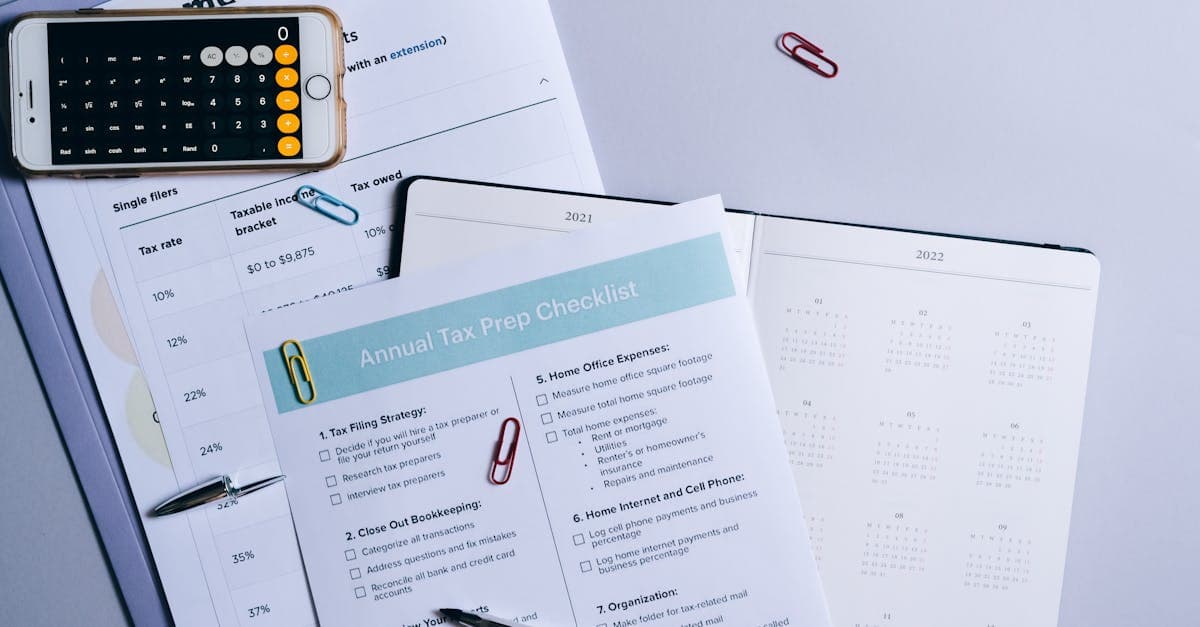
Policy Checkup After a Divorce: Separating and Restructuring Coverage
Divorce requires separating joint policies, updating beneficiaries, adjusting coverage limits, and establishing independent insurance portfolios. A thorough checkup prevents post-divorce coverage gaps.

AOB in Auto Insurance: How It Works With Vehicle Repair Claims
Auto glass shops and body repair facilities sometimes use AOBs to bill your insurer directly. Understanding how AOB works in auto insurance helps you manage your vehicle claims.

How Long Do Supplemental Insurance Claims Take to Process
Supplemental claims for additional damage discovered during repairs follow their own timeline. Understanding this secondary process prevents frustration when repair costs exceed the original estimate.

How to Get Repair Estimates Before Filing Your Claim
Getting independent repair estimates before filing gives you leverage in the claims process. Knowing the actual cost of repairs helps you evaluate your insurer's settlement offer and negotiate effectively.

Why Skipping the Medical Exam Can Cost You More in Premiums
No-exam life insurance policies charge higher premiums to compensate for unknown health risks. Healthy applicants who skip the medical exam pay more than they would with a fully underwritten policy.
The Most Important Numbers on a Life Insurance Illustration
Focus on guaranteed cash values, guaranteed death benefits, net outlay, surrender values, and the policy's performance at your target ages. These numbers tell you what your policy actually guarantees.

What Is a Paramedical Exam for Life Insurance?
A paramedical exam is the standard medical screening performed by a licensed health professional during the life insurance application process. It is less extensive than a full physician exam.

How Drug Use History Affects Life Insurance Coverage
Past or current drug use is a critical factor in life insurance underwriting. Recreational drug use, prescription medication history, and substance abuse treatment all influence underwriting decisions and premium rates.

Life Insurance Policy Loans and Retirement Income Planning
Some policyholders use tax-free policy loans as a supplemental retirement income source. This strategy requires careful planning to avoid policy lapse and maintain the coverage your beneficiaries need.

What Happens to Cash Value When the Policyholder Dies?
In most standard life insurance policies, the insurance company pays the death benefit to beneficiaries but retains the accumulated cash value. Understanding this common misconception prevents planning errors.

What Happens to the Death Benefit If You Stop Paying Premiums
If you stop paying premiums on a term policy, coverage lapses and the death benefit disappears. On permanent policies, cash value may keep coverage alive temporarily, but the benefit eventually ends.

How Divorce Affects Life Insurance Beneficiary Designations
Some states automatically revoke an ex-spouse's beneficiary designation upon divorce, while others do not. Reviewing and updating your beneficiary after divorce is essential regardless of state law.

Irrevocable vs Revocable Beneficiary Designations Explained
A revocable beneficiary can be changed at any time without consent, while an irrevocable beneficiary must agree to any changes. Understanding this distinction matters for divorce settlements, business arrangements, and estate planning.

What Happens to Life Insurance Proceeds When No Beneficiary Is Named
When no beneficiary is designated, the death benefit typically goes to the policyholder's estate. This means probate, potential creditor claims, delays, and a distribution that may not match your wishes.

Special Needs Beneficiaries: Protecting Disability Benefits While Providing Inheritance
Naming a person with disabilities directly as beneficiary can disqualify them from government benefits. A special needs trust preserves their eligibility while still providing life insurance proceeds for their care.

Why Your Lender's Mortgage Protection Insurance Is Not Enough
Lender-offered mortgage protection insurance has significant limitations including declining benefits, higher costs, and payment directly to the lender instead of your family.

Life Insurance for Unmarried Partners Without Children
Unmarried partners often lack the legal protections married couples enjoy. Life insurance names your partner as beneficiary directly, bypassing intestacy laws that might exclude them.

What Happens When Your Term Life Insurance Expires?
When a term policy expires, coverage ends and no death benefit is payable. Some policies offer annual renewable term extensions at significantly higher rates. Planning before expiration prevents coverage gaps.

The Risk of Universal Life Insurance Policy Lapse Explained
Universal life policies can lapse if the cash value drops to zero and the policyholder cannot cover the monthly deductions. Understanding lapse risk and monitoring annual statements prevents unexpected loss of coverage.

How Whole Life Insurance Works as a Forced Savings Vehicle
The required premium payments in whole life insurance create a disciplined savings mechanism that builds cash value automatically. For individuals who struggle to save independently, this forced savings feature provides real value.

How the Term Life Insurance Application Process Works
Applying for term life insurance involves a health questionnaire, medical exam, financial underwriting, and approval. Understanding each step helps you prepare for the process and avoid delays.

The Human Life Value Approach to Calculating Life Insurance
The human life value method calculates your total future earning potential minus personal expenses. This approach measures what your family loses financially when your income stream permanently ends.

Tax-Free Wealth Transfer: A Key Reason to Own Life Insurance
Life insurance death benefits are generally received income tax-free by beneficiaries. This tax-free status makes life insurance one of the most efficient tools for transferring wealth between generations.

Group Life Insurance Through Your Employer: What It Covers and What It Lacks
Many employers offer group life insurance as a workplace benefit, typically at one to two times your annual salary. While valuable, employer coverage often falls short of what families actually need.

Renters Flood Insurance Coverage Limits: How Much Protection Do You Need?
NFIP contents-only policies for renters offer coverage up to $100,000. Assess the replacement value of your furniture, electronics, clothing, and other belongings to select an appropriate coverage amount.

Condo Flood Insurance After a Hurricane: What Changes and What to Expect
After a hurricane causes condo flood damage, insurance claims involve both the association's RCBAP and individual unit owner policies. Understanding the dual-claim process speeds recovery and maximizes coverage benefits.
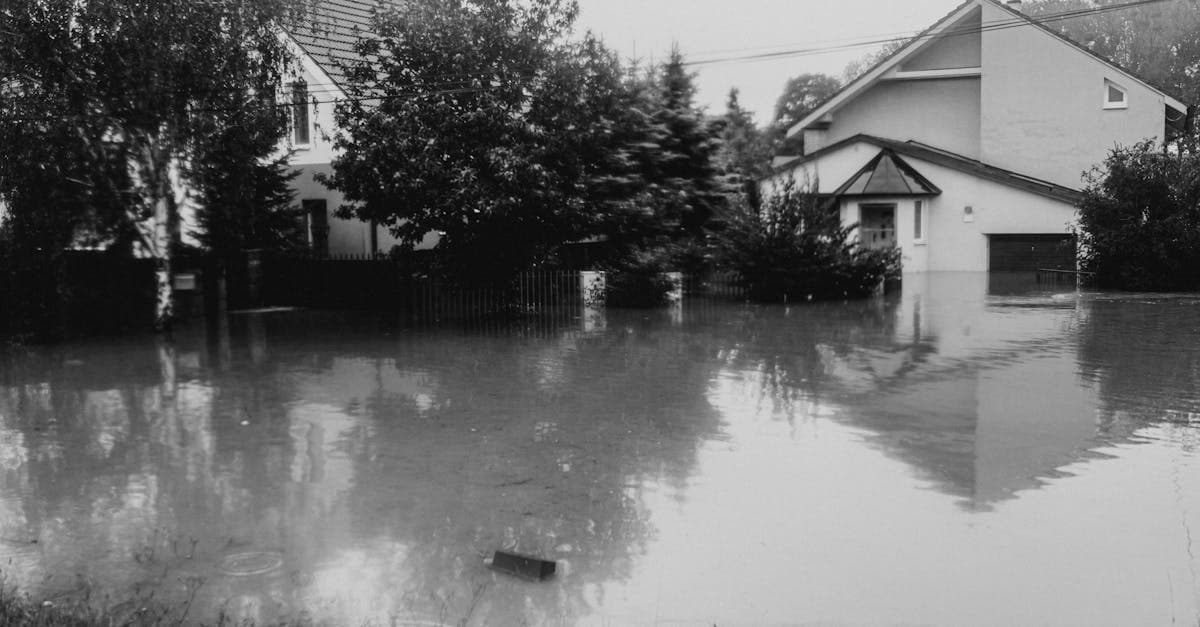
Basement Flooding in Low-Risk Areas: What Insurance Covers and What Does Not
Basement flooding from heavy rain, rising water tables, and sewer backup is common in low-risk flood zones. Understanding which insurance products cover basement water damage prevents costly surprises.

What Triggers a Hurricane Deductible: Wind Speed, Declaration, or Both?
Hurricane deductible triggers vary by policy and state. Some activate when the National Weather Service declares a hurricane watch or warning, others require specific wind speeds, and some trigger on any named storm.

Hurricane Deductible and Pre-Storm Damage: What If Wind Damage Starts Before the Declaration?
Damage that occurs before the storm reaches hurricane classification may fall under your standard deductible. Documenting when damage occurred relative to the hurricane declaration can affect which deductible applies.

Florida Hurricane Deductible: How It Affects Your Claims Payment
Your hurricane deductible is subtracted from your total eligible claim amount. On a $50,000 claim with a $10,000 hurricane deductible, your insurer pays $40,000. The math is straightforward but the dollars are significant.
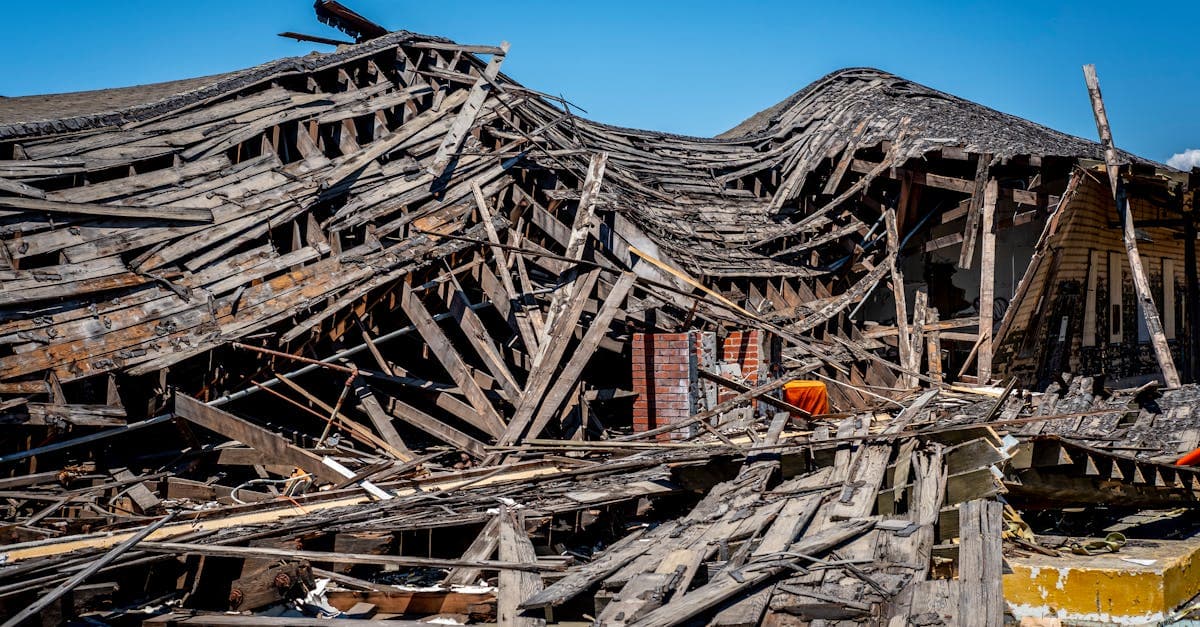
Hurricane Deductible and Wind Damage: What Counts as a Hurricane Claim
Your hurricane deductible applies to wind damage caused by the hurricane — roof damage, siding damage, structural failure from wind pressure, and damage from wind-borne debris during the named storm.

Post-Hurricane Damage Attribution: The Battle Between Wind and Flood Claims
After major hurricanes, disputes over whether damage was caused by wind or flood account for thousands of lawsuits. The attribution determines which insurer pays and how much the homeowner receives.

Flood Insurance Deductibles vs Homeowners Insurance Deductibles: Key Differences
Flood insurance has separate deductibles for building and contents that work differently from homeowners deductibles. Understanding these structures helps you budget for out-of-pocket costs after water damage.

Swimming Pools, Hot Tubs, and Flood Insurance: Coverage You Probably Do Not Have
Swimming pools, hot tubs, and their mechanical systems are excluded from standard NFIP flood insurance coverage. Flood damage to these amenities comes entirely out of pocket for most homeowners.

Flood Insurance for Rental Properties: What Landlords Need to Know
Landlords can purchase flood insurance building coverage to protect the rental structure. Tenants need their own contents policy. Understanding coverage responsibilities prevents gaps in rental property protection.

Do Snowbirds Need Flood Insurance on Their Florida Homes?
Seasonal Florida residents face unique flood risk because their homes may be unoccupied during hurricane season. Flood insurance is essential for properties left empty during the highest-risk months.

Is Flood Insurance Required for FHA Loans in Florida?
FHA loans in Florida require flood insurance when the property is in a FEMA-designated Special Flood Hazard Area. The FHA enforces this requirement strictly as a condition of the federally insured mortgage.
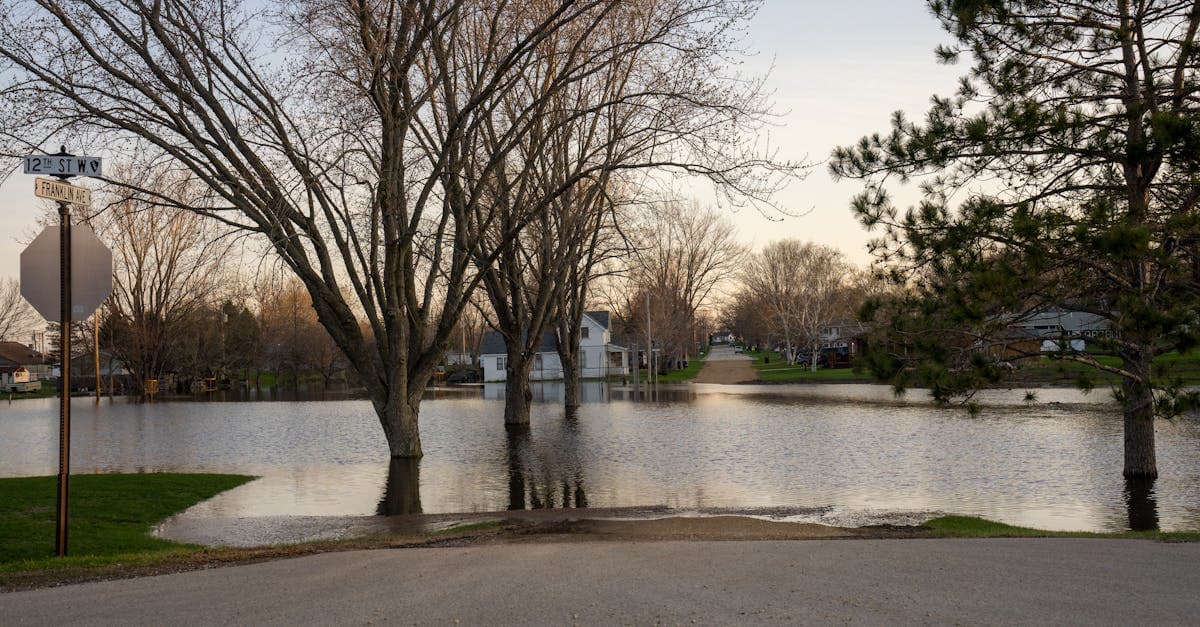
What Flood Insurance Covers: Building and Contents Protection
Flood insurance covers your home's structure including walls, floors, foundation, electrical systems, and plumbing. Contents coverage protects personal property like furniture, appliances, and clothing.
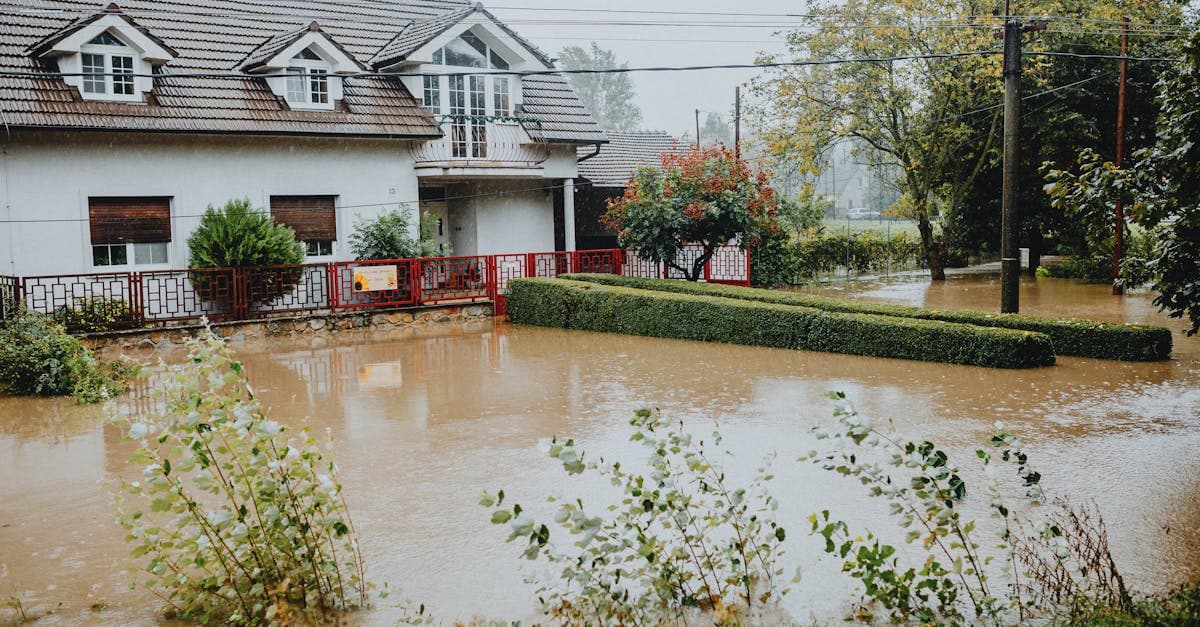
How Much Does Flood Insurance Cost for the Average Homeowner?
NFIP flood insurance premiums average around $700 to $900 per year nationally, but homeowners in low-risk zones may pay as little as $300 to $500 through a Preferred Risk Policy. Private insurers may offer competitive rates.

Mold Coverage Limits in Florida Homeowners Policies
Florida's warm and humid climate makes mold a persistent threat. Most Florida policies cap mold coverage at $10,000 or less. Knowing your mold limits and whether additional coverage is available protects you.

Fire Sprinkler Systems and Homeowners Insurance Discounts
Installing a fire sprinkler system can reduce your homeowners insurance premium by 5 to 15 percent. Sprinklers dramatically reduce fire damage severity, which insurers reward with lower rates.

Common Errors on Homeowners Declarations Pages and How to Fix Them
Declarations page errors including wrong addresses, incorrect square footage, misspelled names, and inaccurate coverage limits can delay claims and create coverage disputes.
Medical Records and Your Home Insurance Liability Claim
If someone is injured on your property, medical records and treatment documentation become critical evidence for your liability claim. Keeping records of the injury, treatment, and expenses protects both you and the injured party.
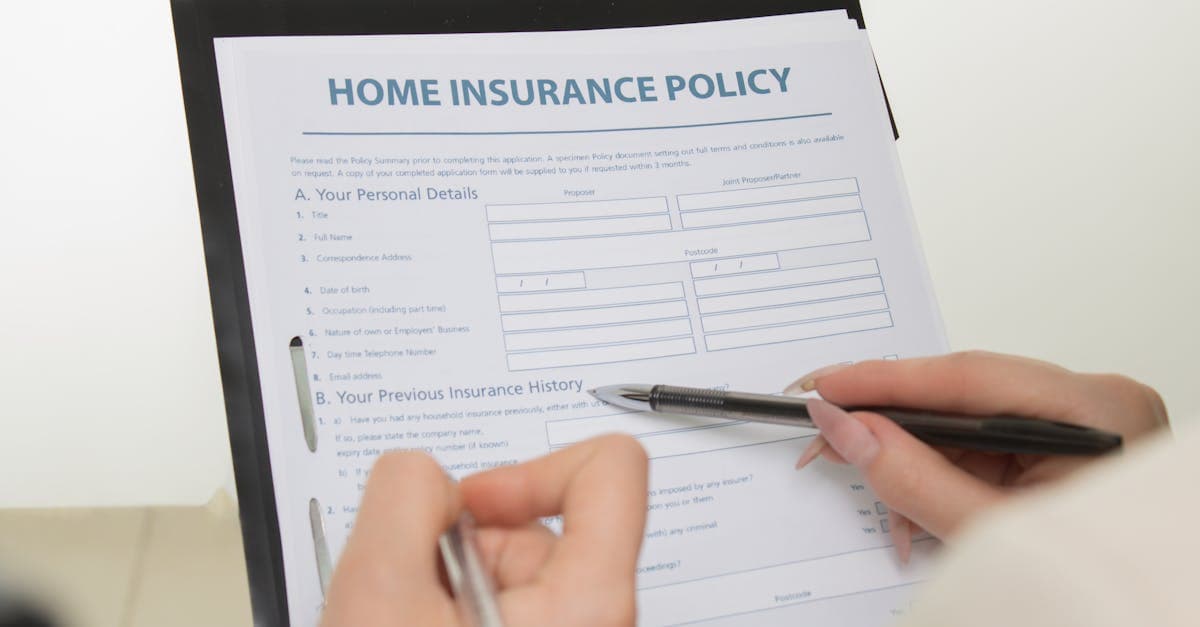
Switching Homeowners Insurance After Filing a Claim: What You Need to Know
You can switch insurers after filing a claim, but the claim remains with your original insurer until settled. Your claims history follows you to the new carrier and may affect your new premium.

Bundling Opportunities to Review at Your Homeowners Insurance Renewal
Bundling your homeowners policy with auto, umbrella, or other insurance products can generate significant premium savings. Renewal is the ideal time to explore or verify bundling discounts.

Practical Steps to Lower Your Homeowners Premium After an Increase
After receiving a premium increase, you have options including raising your deductible, adding risk mitigation features, bundling policies, shopping for alternatives, and asking your agent about available discounts.

How Your Home Insurance Deductible Applies to Theft and Burglary Claims
Theft claims for stolen personal property are subject to your standard homeowners deductible. If a break-in also causes structural damage, both property and structural losses fall under a single deductible.

How Coverage Calculators Help You Determine the Right Amount of Homeowners Insurance
Online replacement cost calculators estimate your dwelling coverage needs based on square footage, construction type, finishes, and local building costs. Understanding how these tools work and their limitations helps you use them effectively.

ACV for Electronics and Appliances in Your Homeowners Claim
Electronics lose value faster than almost any other category. A three-year-old laptop may be worth only 25 percent of its replacement cost under ACV. Appliances fare only slightly better.

Building Code Upgrades and Replacement Cost: Bridging the Gap With Ordinance Coverage
Replacement cost pays to rebuild to your home's original specifications, but current building codes may require upgrades. Ordinance or law coverage bridges the gap between original specs and current requirements.

Does Personal Property Coverage Protect Your Belongings in a Storage Unit?
Most homeowners policies extend personal property coverage to belongings stored in off-site storage units, typically at 10 percent of your Coverage C limit.
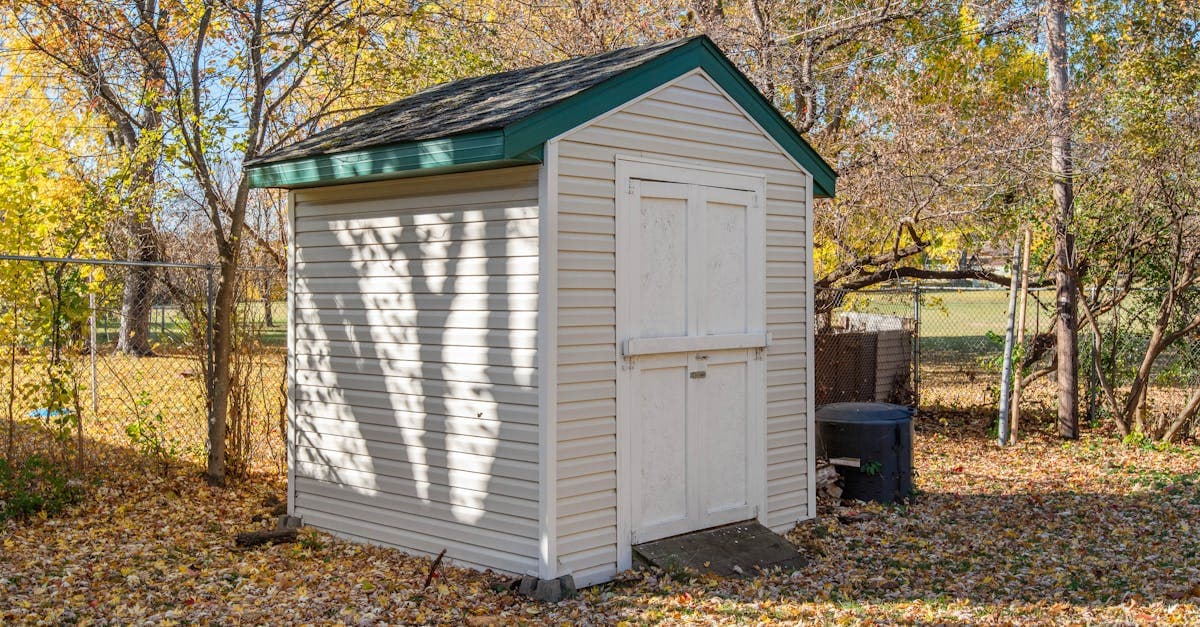
Other Structures Coverage Claim Process: Filing and Settlement Explained
Filing a Coverage B claim follows the same process as dwelling claims. Report the damage, document everything, meet with the adjuster, and negotiate fair repair or replacement costs.

How Home Renovations Affect Your Dwelling Coverage Needs
Kitchen remodels, room additions, and other renovations increase your home's replacement cost. Failing to update your dwelling coverage after renovations creates a dangerous coverage gap.

How ALE Coverage Handles Restaurant Meals During Displacement
When you cannot cook at home, loss of use coverage pays the difference between your normal food costs and restaurant meals. Understanding this calculation helps you budget during displacement.

Personal Liability When Your Tree Falls on a Neighbor's Property
Tree damage to neighboring properties raises complex liability questions. Understanding when your homeowners liability applies and when it does not prevents confusion.

Why Documenting Portable Belongings Protects Your Insurance Claim
Serial numbers, photos, and receipts strengthen off-premises claims. Building a documentation habit before loss occurs makes recovery faster and more complete.
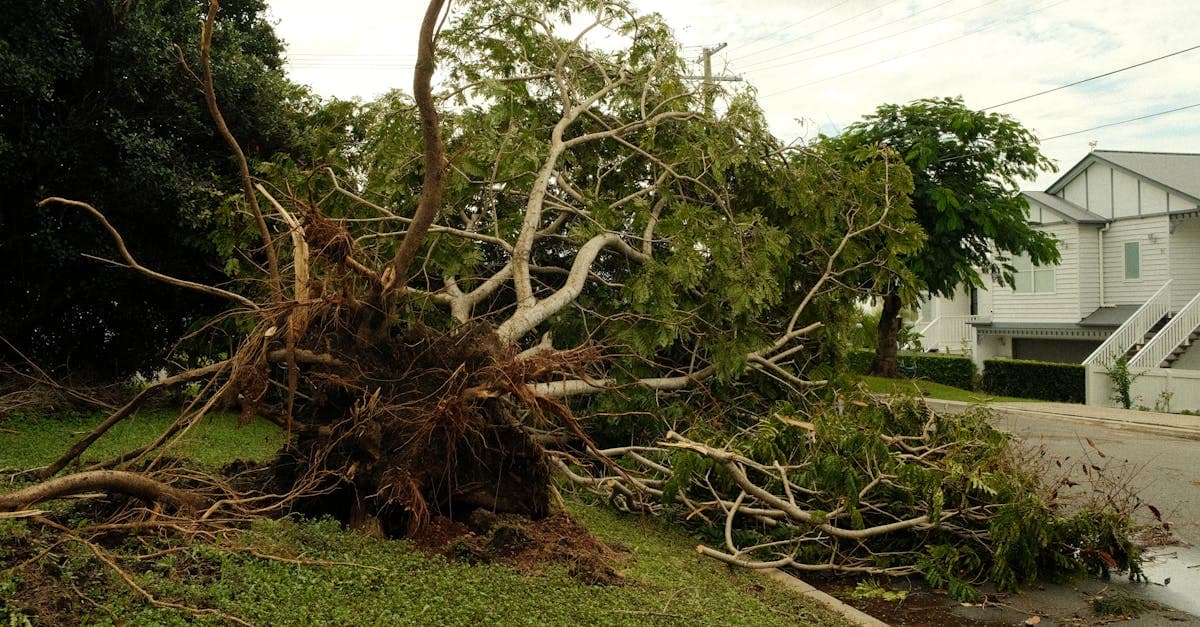
Tree Damage to Your Detached Garage: Insurance Coverage
Detached garages hit by fallen trees are covered under other structures on your homeowners policy with separate limits from your dwelling coverage.

Does Home Insurance Cover Water Damage From a Storm?
Water damage from storms can be covered or excluded depending on how the water entered your home. This critical distinction determines whether your claim is approved.

Supply Line Failures and Home Insurance Coverage
Supply line connections to sinks, toilets, and appliances are a leading cause of water damage claims. Most sudden failures are covered under standard policies.

Florida Homeowners and Mold: Special Coverage Considerations
Florida's humid climate makes mold an especially common problem. Understanding how Florida insurers handle mold claims helps local homeowners protect themselves.
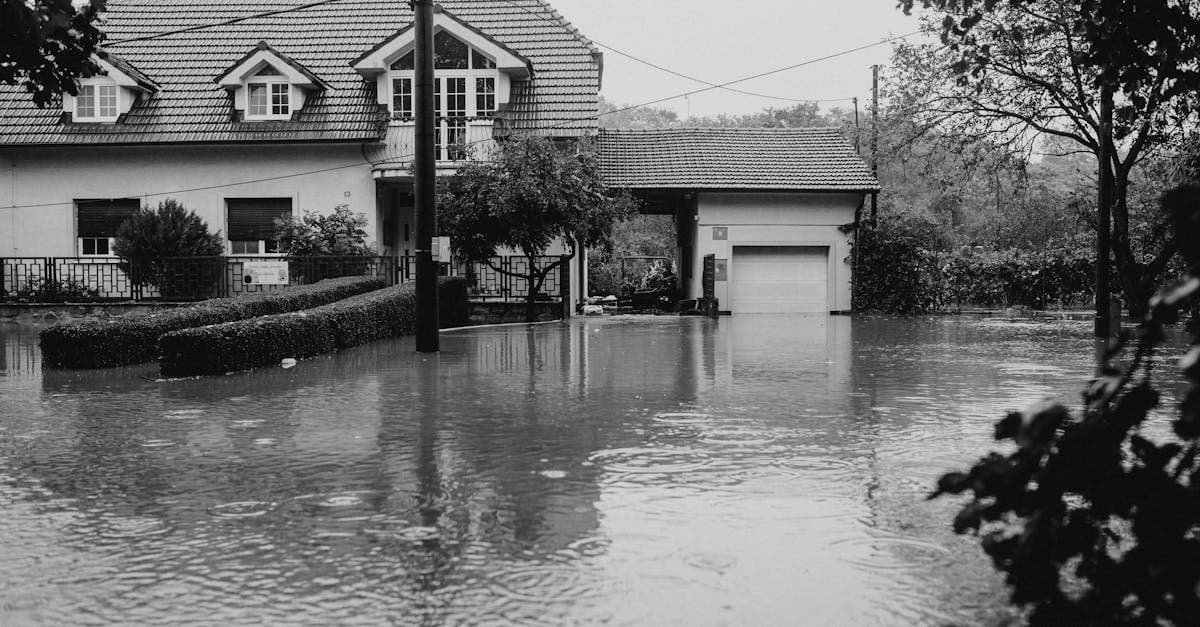
Sprinkler System Discharge: Covered Water Damage You Did Not Expect
Accidental discharge from a fire sprinkler system is a covered water damage event. Understanding this coverage helps homeowners and condo owners respond correctly when sprinklers activate unexpectedly.
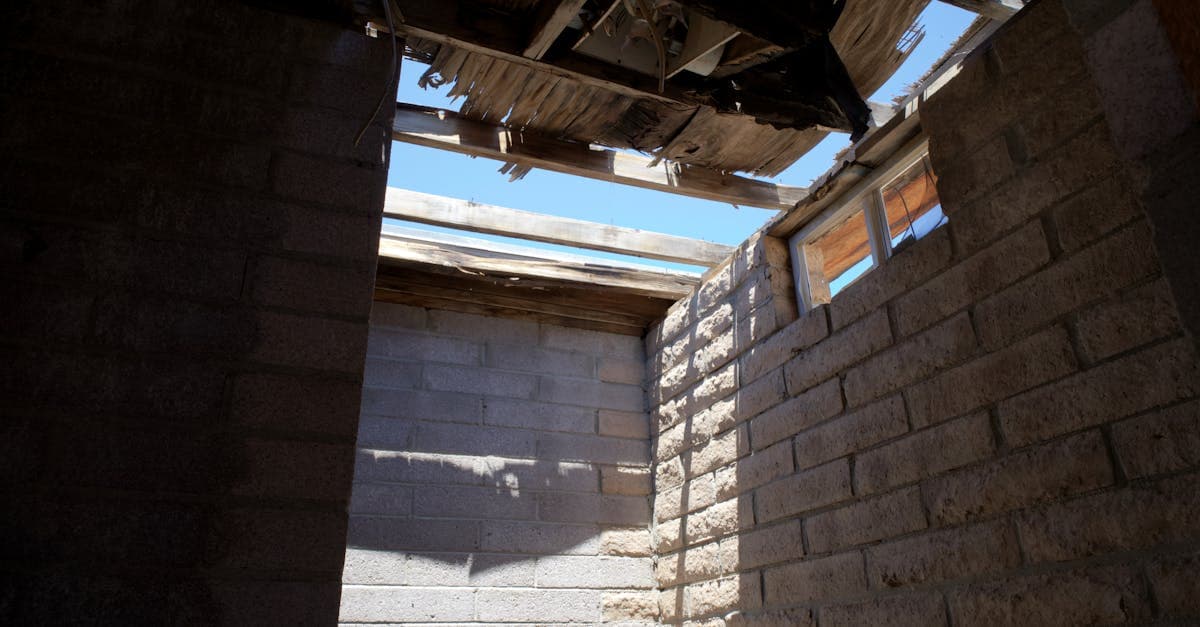
Does Homeowners Insurance Cover a Leaking Flat Roof?
Flat roofs present unique leak challenges and insurance considerations. Understanding how insurers treat flat roof claims helps property owners maintain adequate coverage for their roof type.

The Cosmetic Damage Exclusion That Catches Homeowners Off Guard
Some homeowners policies exclude cosmetic damage to roofs and siding. Hail dents that affect appearance but not function may be denied under this increasingly common exclusion.

What Homeowners Insurance Does Not Cover: Key Exclusions Explained
Every homeowners policy contains exclusions that limit coverage. Knowing what is excluded — from floods to maintenance issues — prevents devastating claim denials.

The Post-Retirement Florida Policy Review Guide
Retirement changes your driving patterns, vehicle needs, and financial exposure. A thorough policy review at retirement ensures your coverage and costs align with your new lifestyle.

Florida Insurance Lapse and Accident Liability
If you cause an accident during an insurance lapse in Florida, you face personal liability for all damages plus criminal penalties for driving uninsured. The consequences are devastating.

Florida PIP Deductible Options: Zero, $250, $500, or $1,000
Choosing the right PIP deductible affects both your premium and your out-of-pocket costs after an accident. Each option creates a different risk-reward balance.

How Florida PDL Handles Total Loss Claims
When you total someone else's vehicle, your PDL pays up to your limit. If the vehicle is worth more, the gap becomes your personal financial burden.

How Florida PIP Premiums Are Calculated: Factors That Set Your Rate
Your PIP premium depends on your location, deductible choice, coverage elections, and driving history. Understanding these factors helps you find the most affordable PIP coverage.

Seeking Medical Attention After a Florida Car Accident
Prompt medical care after a Florida accident is both a health priority and a legal necessity. Documentation of injuries protects your PIP and injury claims.

What If a Family Member Crashes Your Car?
Family member accidents follow the same insurance rules as any permissive use situation. Household dynamics add complexity to the claims process.

Car Insurance and Divorce: Who Keeps the Coverage?
Divorce splits households and insurance policies. Understanding how coverage transfers during and after divorce protects both parties.

Filing a Police Report for Vehicle Theft: Why It Matters for Insurance
A police report is required for every theft claim. Understanding what to include and how to file effectively supports both your insurance claim and the criminal investigation.

Mobile Windshield Repair: Does Insurance Cover On-Site Service?
Most insurers cover mobile windshield repair and replacement at no extra cost. Learn how mobile service works and when it is the better option.

Does Gap Insurance Cover Comprehensive Claims?
Gap insurance applies to total loss situations from any covered peril — collision, theft, flood, fire, and other comprehensive events.

Is Rental Reimbursement Worth It? A Cost Analysis
At five to fifteen dollars per month, rental reimbursement can save hundreds during a single claim. The math consistently favors carrying the coverage.

Does Your New Car Warranty Include Roadside Assistance?
Many new vehicles come with manufacturer roadside assistance for the warranty period. Understanding what is included prevents paying for duplicate coverage.

When Uninsured Motorist Coverage Might Not Be Worth It
In rare situations, UM coverage may provide less value. Understanding these exceptions helps you make a fully informed decision.

Uninsured Motorist Coverage in No-Fault Insurance States
No-fault states handle UM coverage differently than tort states. Understanding your state's system prevents confusion after an accident.

Comprehensive Insurance for Leased Vehicles: Requirements and Tips
Lease agreements require comprehensive coverage with specific deductible limits. Understanding these requirements prevents costly lease violations.

When Is a Car Totaled? The Repair-to-Value Rule Explained
Insurers total your car when repair costs exceed 70–75% of its value. They pay you the ACV minus your deductible — often less than your loan balance.

Liability Limits at Every Income Level: A Practical Guide
Whether you earn $40,000 or $400,000, appropriate liability limits exist for your situation. This guide helps every income level find proper protection.

Full Coverage Car Insurance for New Vehicles: What You Need to Know
New vehicles demand full coverage — both for lender requirements and financial prudence. Understanding the specifics ensures your investment is properly protected.

How Auto Insurance Premiums Work: Understanding What You Pay
Auto insurance premiums reflect your personal risk profile. Understanding the factors that determine your rate helps you find fair pricing.

Questions About Bundling and Discounts You Should Always Ask
Insurance discounts are rarely offered proactively. These questions uncover every available discount and bundling opportunity before you commit.

The Homeowners Insurance Annual Review: A Room-by-Room Approach
Walk through your home with your policy in hand. Check coverage limits against actual replacement costs for your dwelling and possessions.

The Discount That Disappeared: Why Your Rate Rose When Nothing Changed
Introductory discounts, loyalty credits, and promotional pricing expire on schedule. When they do, your base rate appears to jump.

How Multiple Claims Create an Insurance Death Spiral
Filing two or three claims in a short period can trigger non-renewal, forcing you into high-risk markets where premiums are double or triple.
Third-Party Claims Against Your Policy: When to File Immediately
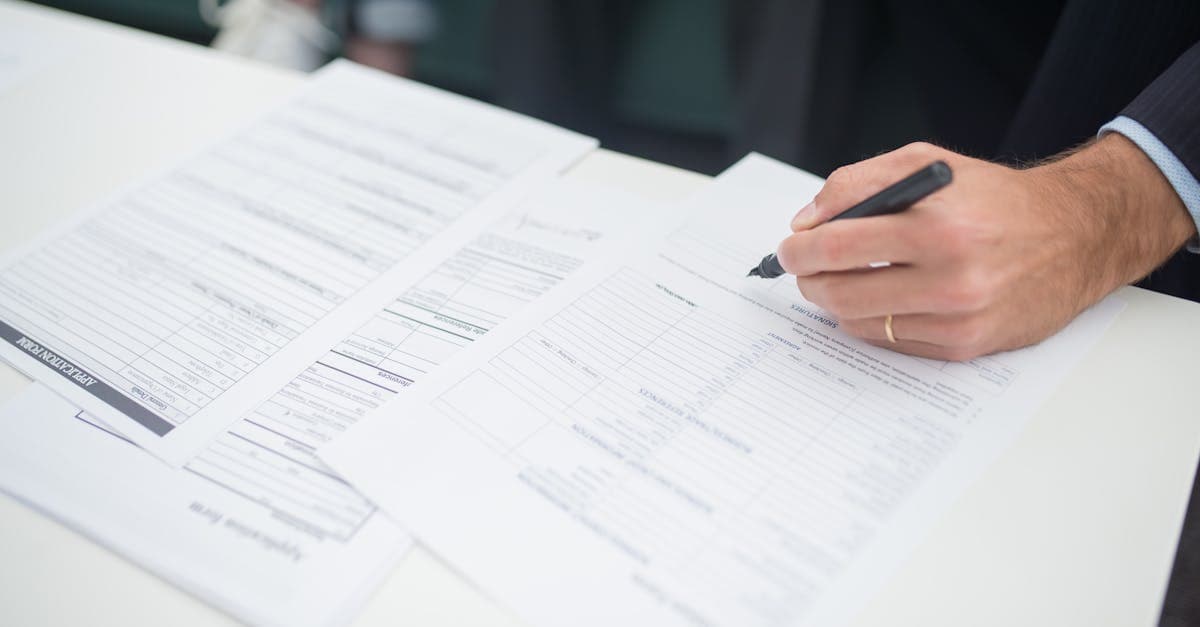
When someone files a claim against you, get your insurer involved fast. Delays risk default judgments and legal exposure your policy may no longer cover.

Third-Party Claims: Filing Against Someone Else's Insurance
When another party causes your loss, you file against their policy. This process has different rules, timelines, and negotiation dynamics.

Equipment Breakdown Endorsement: Covering Mechanical Failures
When your HVAC, water heater, or electrical panel fails mechanically, standard insurance does not cover it. Equipment breakdown coverage does.

Named Perils vs. Open Perils: Which Policy Protects You More?
A named-perils policy only covers what's listed. An open-perils policy covers everything except listed exclusions. The difference can be 50% more protection.

Actual Cash Value in Commercial Insurance
Business property covered at ACV can leave companies unable to replace equipment and inventory after a loss. Understanding the business impact is critical.
How Building Code Updates Can Inflate Your Rebuild Cost
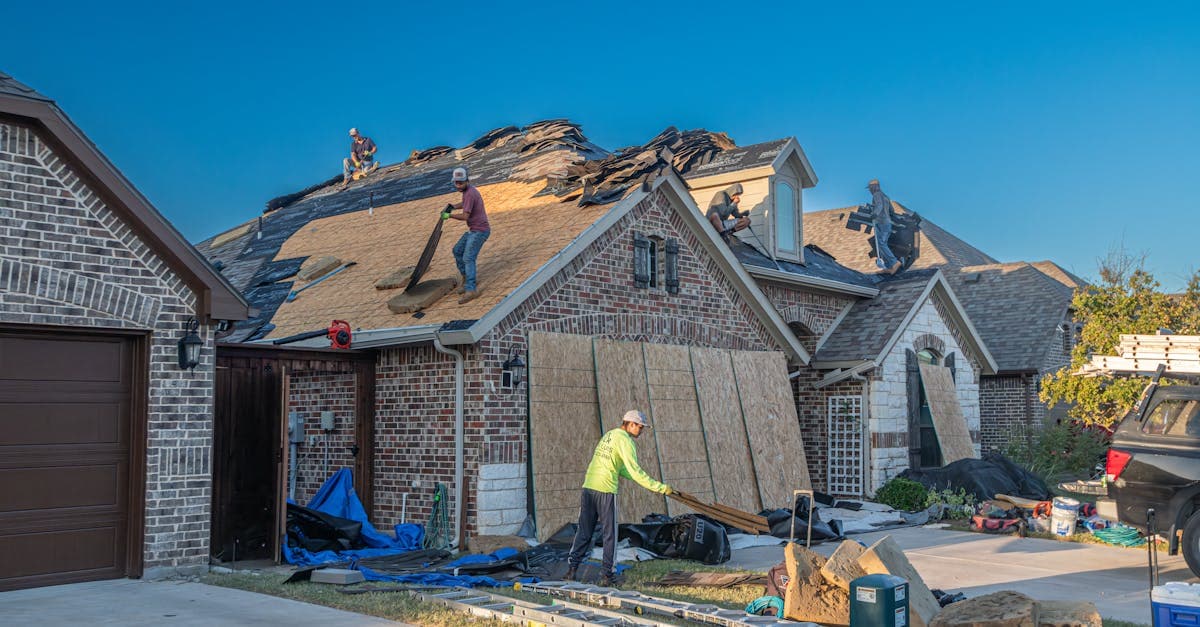
When you rebuild after a loss, new building codes can add 10–30% to your costs — and standard insurance doesn't cover the upgrade. Here's the fix.

Umbrella Insurance: How Much Coverage Do You Actually Need?
Umbrella policies extend your liability limits by $1M–$5M for about $200–$400/year. See how to calculate the right amount based on your assets and risk.
The Declarations Page Walkthrough: From Top to Bottom
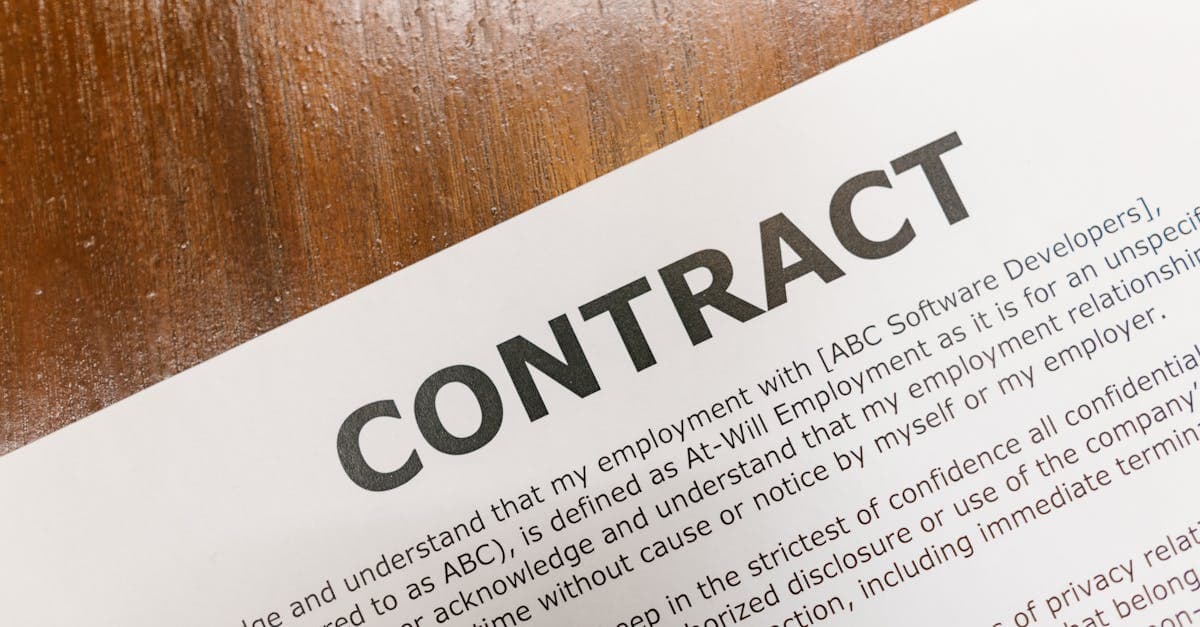
We walk through a real declarations page line by line, explaining every entry, every code, and every number you will find.

How Premiums and Deductibles Work Together
Your premium and your deductible are two sides of the same coin. Understanding their relationship is essential for optimizing your insurance costs.
How Deductibles Affect Your Premium and Your Payout
The relationship between deductibles and premiums is the most important trade-off in insurance. Here is how to navigate it.

What Does Your Insurance Really Cover? Separating Guarantees from Assumptions
You pay your premiums faithfully, trusting that your policy has your back. But insurance is a contract, not a promise — and the difference between what is guaranteed and what you assume is covered can be staggering.
