Flood Insurance Deductibles vs Homeowners Insurance Deductibles: Key Differences

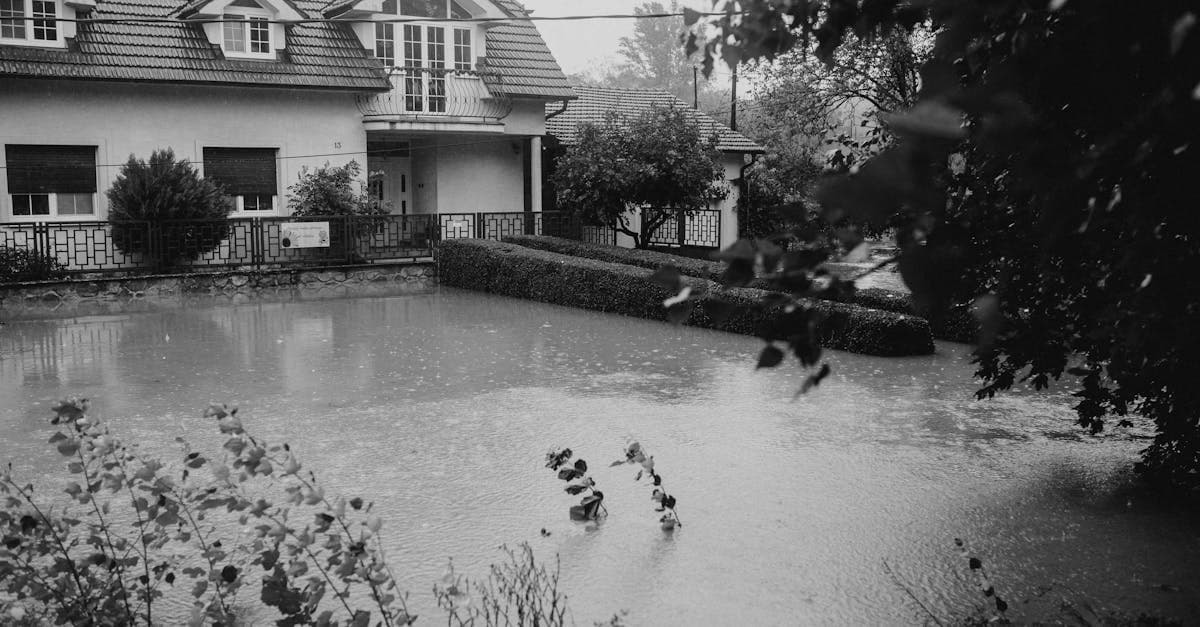
The separation between flood insurance and homeowners insurance has a specific history rooted in the economics of catastrophic loss. Understanding this history explains why two separate policies exist and why combining them into one has never been commercially viable.
In the early and mid-twentieth century, private insurers attempted to include flood coverage in standard property policies. The results were catastrophic for the industry. Flood losses are correlated — when one home in an area floods, thousands of homes flood simultaneously. Unlike fire or theft, where losses are distributed randomly across policyholders, flood losses concentrate geographically and overwhelm the risk pool.
By the 1960s, most private insurers had excluded flood damage from homeowners policies entirely. Homeowners in flood-prone areas had no coverage option. When floods struck, the federal government provided disaster relief, but the cost to taxpayers was unsustainable.
Congress created the National Flood Insurance Program in 1968 to provide flood coverage that the private market could not sustain. The NFIP operates as a federal program with government backing, subsidized rates, and standardized policy terms. It was designed specifically to complement homeowners insurance by covering the one peril that homeowners policies could not economically include.
This history explains the current landscape: homeowners insurance from private insurers covers everything except flooding, and flood insurance from the NFIP or specialized private carriers covers the flooding that homeowners insurance excludes. Two policies, two purposes, one complete protection strategy.
Building a Complete Protection Strategy With Both Policies
The story does not end there. The goal of carrying both flood insurance and homeowners insurance is creating seamless protection where no water damage scenario leaves you financially exposed. Building this strategy requires intentional decisions about coverage levels, deductibles, and supplemental coverages — because balancing your insurance portfolio so that internal water losses and external flood losses each have dedicated coverage protecting your home equity.
Start with homeowners insurance: Your homeowners policy is the foundation. Ensure your dwelling coverage matches your home's full replacement cost. Select personal property coverage sufficient to replace your belongings. Add endorsements for scheduled valuables, sewer backup coverage, and any other water-related endorsements your insurer offers.
Add flood insurance to fill the gap: Choose between NFIP and private flood insurance based on your property's characteristics and needs. If your home's value exceeds $250,000, consider private flood insurance for higher building limits. If your contents are valuable, consider a private policy with replacement cost contents coverage.
Align deductibles with your budget: Your total deductible exposure in a dual-claim event includes your homeowners deductible plus your flood insurance building deductible plus your flood insurance contents deductible. Ensure you can afford all applicable deductibles simultaneously after a major storm.
Add sewer backup coverage: For $40 to $160 per year, a sewer backup endorsement on your homeowners policy closes the gap between flood and homeowners coverage for water that enters through drains. This is especially important for homes with basements.
Review coverage annually: Home values, personal property values, and flood risk all change over time. Review both policies annually to ensure coverage levels, deductibles, and endorsements still match your needs. Update coverage amounts when you renovate, acquire valuable property, or when local conditions change.
Document your coverage strategy: Keep copies of both policies, your agent's contact information, and your coverage summary in a waterproof location or digital backup. After a water event, you need immediate access to both policy documents to file claims efficiently with both insurers.
The Flood Exclusion: Understanding Your Homeowners Policy's Most Important Limitation
The story does not end there. The flood exclusion in your homeowners policy represents the concentrated investment in a single policy that leaves an entire category of water-damage losses completely unhedged and fully exposed. This exclusion removes coverage for an entire category of water damage and is the primary reason a separate flood insurance policy exists.
What the exclusion says: Standard homeowners policy language excludes damage caused by flood, including surface water, waves, tidal water, overflow of a body of water, spray from any of these, and water that backs up through sewers or drains due to flooding. The language is broad and covers virtually every scenario involving water from external sources.
Why the exclusion exists: Flood losses are catastrophic and correlated — when one home floods, hundreds or thousands in the same area flood simultaneously. This concentration of loss overwhelms the risk-spreading model that makes insurance work. Private insurers cannot profitably include flood coverage in standard homeowners policies because a single flood event can generate billions in claims from one geographic area.
How adjusters enforce the exclusion: After a water damage event, your homeowners insurance adjuster examines the source and path of the water. If evidence shows that water entered your home from outside at or below ground level as rising water, the adjuster classifies that portion as flood damage and applies the exclusion. Physical evidence includes waterlines on walls, mud and debris patterns, and the direction of water flow.
The exclusion applies in every zone: The flood exclusion in your homeowners policy does not change based on your FEMA flood zone. Whether you live in high-risk Zone A or minimal-risk Zone X, your homeowners policy excludes flood damage with identical language. The exclusion is about the type of water damage, not the probability of it occurring.
No endorsement overrides it: Unlike some other exclusions that can be removed with an endorsement, the flood exclusion in homeowners policies cannot be overridden. You cannot pay extra to add flood coverage to your homeowners policy. The only option is a separate flood insurance policy.
The impact on claim outcomes: Homeowners who do not understand the flood exclusion are often devastated by denied claims after water events. Knowing the exclusion exists and purchasing flood insurance to fill the gap prevents this outcome and ensures every water damage scenario has a policy that responds.
Replacement Cost vs Actual Cash Value: How Each Policy Values Your Losses
What happened next changed everything. The way each policy calculates claim payments directly affects how much money you receive to repair or replace damaged property. This valuation difference is one of the most significant distinctions between flood and homeowners insurance.
Homeowners insurance valuation: Most homeowners policies pay replacement cost for building damage — the full cost to repair or replace damaged components with materials of like kind and quality without deducting for depreciation. Many homeowners policies also offer replacement cost for personal property with the appropriate endorsement.
NFIP flood insurance building valuation: NFIP flood insurance pays replacement cost for building damage, matching homeowners insurance in this regard. Damaged structural components, systems, and fixtures are valued at their current replacement cost, allowing full repair to pre-flood condition.
NFIP flood insurance contents valuation: Here the difference becomes significant. NFIP flood insurance pays actual cash value for contents — replacement cost minus depreciation. A television you bought for $1,500 three years ago might have an actual cash value of $700 after depreciation. The NFIP pays $700 while a homeowners policy with replacement cost contents coverage would pay $1,500.
The depreciation impact: Actual cash value payments for contents can be substantially less than replacement cost, especially for older items. Furniture, electronics, appliances, and clothing all depreciate. After a flood destroys your personal property, the gap between what it costs to replace everything and what the NFIP pays can be thousands of dollars.
Private flood insurance valuation: Some private flood insurers offer replacement cost coverage for both building and contents, eliminating the depreciation penalty on personal property claims. This feature alone can make a private flood policy more valuable than an NFIP policy for homeowners with significant personal property.
Practical implications: When evaluating flood insurance options, compare how building and contents are valued. If your contents are valuable and you want full replacement after a flood, a private flood policy with replacement cost contents coverage — or a higher NFIP building limit with more contents covered under building — may provide better financial recovery.
The Flood Exclusion: Understanding Your Homeowners Policy's Most Important Limitation
The story does not end there. The flood exclusion in your homeowners policy represents the concentrated investment in a single policy that leaves an entire category of water-damage losses completely unhedged and fully exposed. This exclusion removes coverage for an entire category of water damage and is the primary reason a separate flood insurance policy exists.
What the exclusion says: Standard homeowners policy language excludes damage caused by flood, including surface water, waves, tidal water, overflow of a body of water, spray from any of these, and water that backs up through sewers or drains due to flooding. The language is broad and covers virtually every scenario involving water from external sources.
Why the exclusion exists: Flood losses are catastrophic and correlated — when one home floods, hundreds or thousands in the same area flood simultaneously. This concentration of loss overwhelms the risk-spreading model that makes insurance work. Private insurers cannot profitably include flood coverage in standard homeowners policies because a single flood event can generate billions in claims from one geographic area.
How adjusters enforce the exclusion: After a water damage event, your homeowners insurance adjuster examines the source and path of the water. If evidence shows that water entered your home from outside at or below ground level as rising water, the adjuster classifies that portion as flood damage and applies the exclusion. Physical evidence includes waterlines on walls, mud and debris patterns, and the direction of water flow.
The exclusion applies in every zone: The flood exclusion in your homeowners policy does not change based on your FEMA flood zone. Whether you live in high-risk Zone A or minimal-risk Zone X, your homeowners policy excludes flood damage with identical language. The exclusion is about the type of water damage, not the probability of it occurring.
No endorsement overrides it: Unlike some other exclusions that can be removed with an endorsement, the flood exclusion in homeowners policies cannot be overridden. You cannot pay extra to add flood coverage to your homeowners policy. The only option is a separate flood insurance policy.
The impact on claim outcomes: Homeowners who do not understand the flood exclusion are often devastated by denied claims after water events. Knowing the exclusion exists and purchasing flood insurance to fill the gap prevents this outcome and ensures every water damage scenario has a policy that responds.
Replacement Cost vs Actual Cash Value: How Each Policy Values Your Losses
What happened next changed everything. The way each policy calculates claim payments directly affects how much money you receive to repair or replace damaged property. This valuation difference is one of the most significant distinctions between flood and homeowners insurance.
Homeowners insurance valuation: Most homeowners policies pay replacement cost for building damage — the full cost to repair or replace damaged components with materials of like kind and quality without deducting for depreciation. Many homeowners policies also offer replacement cost for personal property with the appropriate endorsement.
NFIP flood insurance building valuation: NFIP flood insurance pays replacement cost for building damage, matching homeowners insurance in this regard. Damaged structural components, systems, and fixtures are valued at their current replacement cost, allowing full repair to pre-flood condition.
NFIP flood insurance contents valuation: Here the difference becomes significant. NFIP flood insurance pays actual cash value for contents — replacement cost minus depreciation. A television you bought for $1,500 three years ago might have an actual cash value of $700 after depreciation. The NFIP pays $700 while a homeowners policy with replacement cost contents coverage would pay $1,500.
The depreciation impact: Actual cash value payments for contents can be substantially less than replacement cost, especially for older items. Furniture, electronics, appliances, and clothing all depreciate. After a flood destroys your personal property, the gap between what it costs to replace everything and what the NFIP pays can be thousands of dollars.
Private flood insurance valuation: Some private flood insurers offer replacement cost coverage for both building and contents, eliminating the depreciation penalty on personal property claims. This feature alone can make a private flood policy more valuable than an NFIP policy for homeowners with significant personal property.
Practical implications: When evaluating flood insurance options, compare how building and contents are valued. If your contents are valuable and you want full replacement after a flood, a private flood policy with replacement cost contents coverage — or a higher NFIP building limit with more contents covered under building — may provide better financial recovery.
Policy Structure: How Flood and Homeowners Insurance Are Built Differently
What happened next changed everything. The structural differences between flood and homeowners insurance go beyond what they cover. Understanding how each policy is organized, priced, and administered helps you navigate both effectively.
Homeowners insurance structure: Homeowners policies are issued by private insurance companies. They include multiple coverage sections — dwelling, other structures, personal property, loss of use, and liability — in a single policy. Premiums are based on your home's replacement cost, location, claims history, credit score, and other factors the insurer evaluates.
Flood insurance structure: NFIP flood policies are standardized federal documents with fixed terms. They include two separate coverage sections — building coverage up to $250,000 and contents coverage up to $100,000. Each section has its own deductible. The policy does not include liability coverage or loss of use coverage. Premiums are based on flood zone, elevation, building characteristics, and FEMA's Risk Rating 2.0 methodology.
Deductible differences: Homeowners insurance has a single deductible that applies per claim. NFIP flood insurance has separate deductibles for building and contents coverage — you pay both deductibles if you claim both. Flood insurance deductibles range from $1,000 to $10,000 for building coverage and affect your premium level.
Valuation differences: Homeowners insurance typically pays replacement cost for building damage and may offer replacement cost for personal property. NFIP flood insurance pays replacement cost for building damage but actual cash value for contents, meaning depreciation is deducted from contents claim payments.
Loss of use coverage: Homeowners insurance includes Additional Living Expense coverage that pays for temporary housing and increased costs while your home is being repaired. NFIP flood insurance does not include any loss of use benefit, creating a significant gap during flood recovery.
Waiting periods: Homeowners insurance typically takes effect at the policy start date with no waiting period. NFIP flood insurance has a mandatory 30-day waiting period before coverage begins, requiring proactive purchase well before any flood threat.
Looking Ahead: Why Both Policies Become More Important Over Time
As climate change intensifies storms, increases rainfall intensity, and expands flood risk into areas with no flood history, the relationship between flood insurance and homeowners insurance becomes more critical for every homeowner.
Homeowners insurance will continue to cover fire, wind, and internal water damage. But the flood exclusion is permanent — no market force or regulatory change is likely to bring flood coverage back into standard homeowners policies. The catastrophic and correlated nature of flood losses makes it economically impossible.
Flood insurance will continue to evolve as the NFIP updates its pricing through Risk Rating 2.0 and as private flood insurers expand their market presence. More coverage options, better pricing models, and broader policy features will give homeowners more choices for closing the flood coverage gap.
What will not change is the fundamental distinction: homeowners insurance covers everything except flooding, and flood insurance covers the flooding that homeowners insurance excludes. This distinction has existed for over fifty years and will persist for the foreseeable future.
Your action step is clear: maintain both policies, review them annually, and stay informed about changes in flood risk and insurance options in your area. The homeowners who adapt their coverage to changing conditions are the ones who recover fully when water damage arrives from any direction.
If the two terms still blur together for you, Truscott has a quick read on the difference between coverage limits and deductibles — it's worth five minutes before your next renewal.
Continue reading

The Financial Strength Factor: Why Carrier Ratings Matter in Quote Comparison
An insurance quote is only as good as the company behind it. Comparing carrier financial strength ratings ensures your chosen insurer can actually pay claims when disaster strikes.

Policy Checkup After a Divorce: Separating and Restructuring Coverage
Divorce requires separating joint policies, updating beneficiaries, adjusting coverage limits, and establishing independent insurance portfolios. A thorough checkup prevents post-divorce coverage gaps.

AOB in Auto Insurance: How It Works With Vehicle Repair Claims
Auto glass shops and body repair facilities sometimes use AOBs to bill your insurer directly. Understanding how AOB works in auto insurance helps you manage your vehicle claims.