How Building Code Updates Can Inflate Your Rebuild Cost

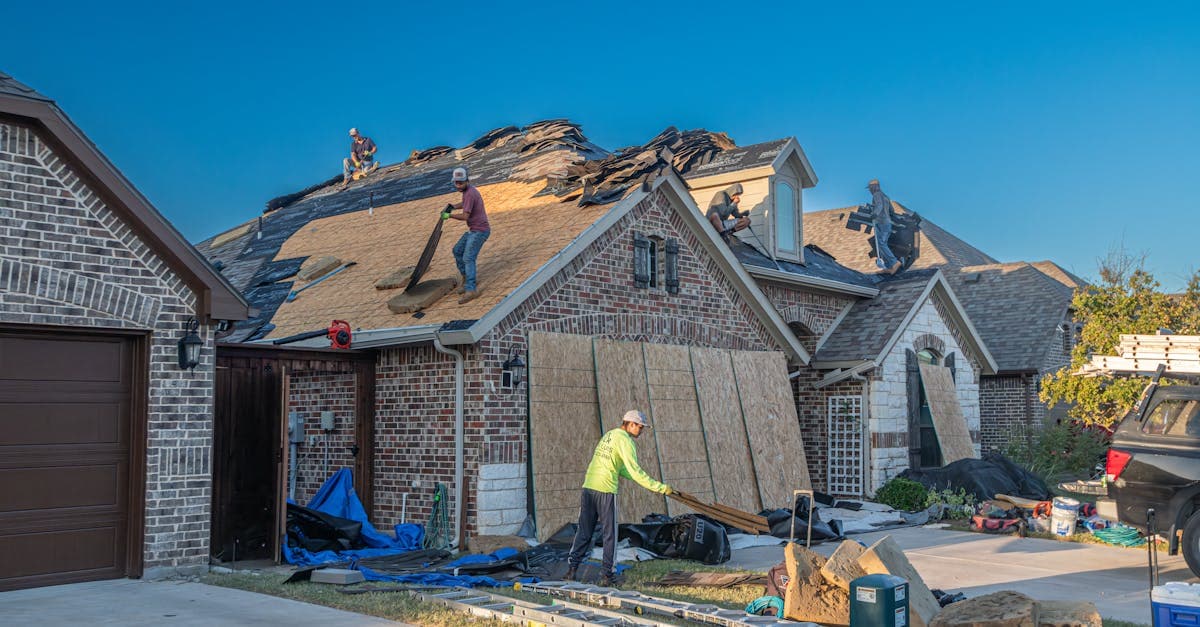
The concept of replacement cost in insurance evolved from a fundamental dissatisfaction with the indemnity principle. Early property insurance, dating back to the London fire offices of the late 17th century, paid only the depreciated value of lost property — what we now call actual cash value. This left policyholders chronically unable to fully recover from losses.
By the mid-20th century, insurers began offering replacement cost coverage as an alternative. The logic was compelling: if insurance is supposed to restore the policyholder to their pre-loss condition, paying depreciated value fails that mission. A family whose home burns down needs a new roof, not a depreciated one. They need new appliances, not used ones priced at garage-sale value.
Replacement cost coverage changed the fundamental contract between insurer and insured. Instead of compensating for the economic value lost, it compensates for the economic cost of restoration. This shift aligned insurance more closely with its core purpose — making the policyholder whole.
Today, replacement cost is the standard for dwelling coverage on most homeowners policies, though actual cash value remains the default for personal property in many standard policies. The evolution continues: extended replacement cost, guaranteed replacement cost, and green building endorsements all represent further refinements of the replacement cost concept.
Understanding this history helps modern policyholders appreciate why replacement cost matters and why the details of how it is calculated and applied deserve careful attention. The principles are old, but the application to your specific situation requires current, informed analysis.
Replacement Cost for Older Homes
The story does not end there. Older homes present unique replacement cost challenges. Materials, construction methods, and architectural features from past decades may be expensive or impossible to replicate exactly, creating complications for both coverage and claims.
The core challenge: A 1920s home with plaster walls, hardwood millwork, and balloon framing cannot be rebuilt using those same materials and methods at modern construction prices. Replacement with identical materials — if even possible — would cost significantly more than standard construction. Replacement with modern equivalent materials changes the character of the home.
Functional replacement cost: Many insurers offer functional replacement cost coverage for older homes. This pays to rebuild using modern materials and methods that serve the same function as the originals. Plaster walls are replaced with drywall. Cast iron pipes are replaced with PVC. The coverage is adequate for function but does not preserve historical character.
Historic home coverage: Homes on historic registries or in historic districts may require replacement with period-appropriate materials to maintain compliance. Specialty insurers offer historic home coverage that accounts for the higher cost of authentic restoration.
Knob-and-tube wiring, plaster, and other obsolete systems: Older homes may contain systems that are no longer code-compliant. Replacement cost coverage rebuilds to current codes, which can actually reduce costs for these elements — but may also require upgrades elsewhere in the home.
Cost surprises in older homes: During rebuilding, contractors often discover conditions that were hidden before the loss — asbestos insulation, lead paint, outdated structural elements. Remediation of these hazards adds cost that may or may not be covered by your policy.
Recommended approach: If you own an older home, discuss replacement cost options with your agent. Consider whether functional replacement cost is acceptable or whether you need specialized coverage that preserves original materials and character. Ensure your limit reflects the actual cost of the approach you prefer.
Replacement Cost for Renters Insurance
What happened next changed everything. Renters do not need dwelling coverage, but they absolutely need replacement cost coverage for their personal property. The difference between RC and ACV is often even more significant for renters' belongings than for homeowners.
Why renters need RC coverage: Renters typically own higher proportions of rapidly depreciating items — electronics, furniture, clothing — relative to their total insured value. A renter's wardrobe, electronics collection, and furnishings can easily depreciate 40 to 60 percent within five years. Under ACV, a claim for these items recovers only a fraction of replacement cost.
Example: A renter loses everything in an apartment fire. Total replacement cost of belongings: $30,000. Under ACV with average depreciation of 45 percent, the payout is only $16,500. Under replacement cost, the payout is the full $30,000 minus the deductible. That $13,500 difference is the cost of starting over.
How to get RC for renters: Most renters insurance policies offer replacement cost for personal property, though some default to ACV. When shopping for renters insurance, specifically ask whether the policy provides RC or ACV for contents. If ACV is the default, ask about adding an RC endorsement.
Cost difference: The premium difference between ACV and RC renters insurance is typically $30 to $100 per year. Given the significant payout improvement, this is one of the most cost-effective upgrades in all of insurance.
The two-payment process applies: Even with RC renters insurance, the insurer typically pays ACV first and reimburses recoverable depreciation after you purchase replacements. Budget accordingly.
Inventory is essential: Renters are even less likely than homeowners to maintain a home inventory, yet they face the same documentation requirements in a claim. Take photos of every room and keep receipts for major purchases. Cloud storage ensures your documentation survives any disaster that affects your apartment.
The Appraisal Process When You Disagree on Replacement Cost
This is where the plot thickens. When you and your insurer cannot agree on the replacement cost of your loss, most homeowners policies include an appraisal process to resolve the dispute.
What the appraisal process is: Appraisal is a dispute resolution mechanism built into most insurance policies. It is not a lawsuit — it is a structured process where each side hires an independent appraiser, and the two appraisers select an umpire to resolve disagreements.
How it works: You notify your insurer in writing that you are invoking the appraisal clause. Each side selects and pays for a qualified appraiser. The two appraisers independently assess the replacement cost. If they agree, that amount is binding. If they disagree, the umpire reviews both assessments and makes a decision. Agreement between the umpire and either appraiser constitutes a binding decision.
When to invoke appraisal: Consider appraisal when the gap between your contractor's estimate and the insurer's estimate is significant — typically $10,000 or more. For smaller gaps, the cost of the appraisal process may exceed the potential benefit.
Costs: You pay for your appraiser, the insurer pays for theirs, and the umpire's fee is typically split. Total cost to you might range from $1,500 to $5,000, depending on the complexity of the loss.
Limitations: The appraisal process typically resolves only the amount of loss — not coverage disputes. If the insurer denies that a loss is covered, appraisal cannot override that coverage decision. Appraisal addresses how much, not whether.
Practical tips: Hire an appraiser with experience in insurance claims, not just real estate appraisal. Provide your appraiser with detailed documentation of the damage, contractor estimates, and any evidence of current local construction costs. The better-prepared appraiser typically achieves a more favorable outcome.
What Is Replacement Cost?
The story does not end there. Replacement cost is the current market price of rebuilding your asset from scratch. In insurance, it is defined as the amount of money required to replace or rebuild damaged property with materials of similar kind and quality, at current prices, without deduction for depreciation.
The core principle: Replacement cost coverage is designed to make you whole. If a fire destroys your kitchen, replacement cost pays what it actually costs to restore that kitchen to its pre-loss condition — new cabinets, new countertops, new appliances — regardless of how old the originals were.
What replacement cost includes: For a dwelling, replacement cost includes materials, labor, contractor overhead, and profit margins at current market rates. For personal property, it includes the current retail price of new items that are functionally equivalent to what was lost.
What replacement cost excludes: Replacement cost does not include land value, since the land is not destroyed in a covered loss. It does not include the cost of upgrades or improvements beyond the pre-loss condition. And in most policies, it does not include code-required upgrades unless you have ordinance or law coverage.
The practical impact: On a typical home, the difference between replacement cost and actual cash value coverage grows larger every year as the home and its contents age. A 15-year-old home with original systems, appliances, and finishes might have an ACV 30 to 40 percent below its replacement cost. That gap represents the money you would need to contribute from your own savings to fully restore the home under an ACV policy.
Replacement cost is the standard for dwelling coverage on most modern homeowners policies, but many policies still default to actual cash value for personal property. Checking your policy provisions for both is essential.
Guaranteed Replacement Cost: The Ultimate Protection
What happened next changed everything. Guaranteed replacement cost coverage is the gold standard of dwelling protection. It pays whatever it costs to rebuild your home, even if the actual cost exceeds your policy limit by any amount.
How it works: Under a guaranteed replacement cost provision, the insurer commits to rebuilding your home to its pre-loss condition regardless of cost. If your dwelling limit is $300,000 but rebuilding actually costs $450,000 due to unexpected complications, code requirements, or cost increases, the insurer pays the full $450,000.
Why it is rare: Guaranteed replacement cost exposes insurers to unlimited liability on dwelling claims. After major disasters where costs can spike unpredictably, this exposure can be enormous. As a result, most insurers stopped offering guaranteed replacement cost for new policies, particularly in catastrophe-prone areas.
Where to find it: Some high-value home insurers — Chubb, PURE, AIG Private Client — still offer guaranteed replacement cost. A few standard market carriers offer it in low-risk areas. Your independent agent can help you identify carriers that still provide this coverage.
Requirements: Insurers that offer guaranteed replacement cost typically require a professional appraisal, accurate reporting of home features and square footage, notification of any renovations or additions, and maintaining coverage at a specified percentage of the estimated replacement cost.
Cost: Guaranteed replacement cost endorsements are more expensive than extended RC, typically adding 5 to 15 percent to the dwelling premium. For the protection it provides, many homeowners consider this a reasonable cost.
Alternative: If guaranteed replacement cost is unavailable, extended replacement cost at 150 percent of your dwelling limit provides strong — though not unlimited — protection. Combine this with an accurate, up-to-date replacement cost estimate and annual reviews to minimize the risk of a significant coverage gap.
Replacement Cost and Coinsurance
This is where the plot thickens. The coinsurance clause in your homeowners policy penalizes you if your coverage limit falls below a specified percentage of your home's replacement cost. Understanding this clause prevents a costly surprise at claim time.
How coinsurance works: Most homeowners policies require you to insure your dwelling to at least 80 percent of its replacement cost. If your coverage falls below this threshold, the insurer reduces your claim payment proportionally — even for partial losses that are well within your coverage limit.
The penalty calculation: If your home's replacement cost is $400,000 and the coinsurance requirement is 80 percent, you must carry at least $320,000 in dwelling coverage. If you carry only $240,000, your coverage ratio is $240,000 divided by $320,000, or 75 percent. A $50,000 claim would be paid at 75 percent: $37,500 minus your deductible, not the full $50,000 minus deductible.
Why underinsurance happens: Homeowners often become underinsured gradually. They set an adequate limit when they buy the policy but do not increase it as construction costs rise. After five to ten years of inflation without limit adjustments, the coverage ratio can drop below the coinsurance threshold without the homeowner realizing it.
How to avoid coinsurance penalties: Insure your dwelling to 100 percent of its current replacement cost — not 80 percent. This provides a margin above the coinsurance requirement and ensures full claim payments. Enable inflation guard endorsements to maintain this ratio over time.
Coinsurance in commercial insurance: Coinsurance clauses are even more common and strictly enforced in commercial property insurance. Business owners must be particularly vigilant about maintaining coverage at or above the coinsurance threshold.
Annual verification: At every renewal, verify that your dwelling limit still meets or exceeds 80 percent of current replacement cost. A simple per-square-foot calculation using local construction rates provides a quick check.
Looking Ahead: The Future of Replacement Cost Coverage
Replacement cost coverage is evolving in response to changing construction markets, climate risks, and technology.
Construction costs are unlikely to return to pre-2020 levels. Material costs remain elevated, labor shortages persist, and building codes continue to tighten. These structural trends mean that replacement cost estimates must be more dynamic, updated more frequently, and monitored more actively.
Climate change is creating new replacement cost pressures. Homes in vulnerable areas may need climate-resilient materials and designs that cost more than traditional construction. Rebuilding after increasingly frequent severe weather events may face sustained demand surge.
Technology is improving replacement cost estimation. Drone surveys, satellite imagery, and AI-powered cost modeling are making estimates more accurate and enabling real-time updates. Some insurers now offer automated coverage limit adjustments based on current cost data.
For homeowners, the future demands greater engagement with replacement cost coverage. The days of setting a coverage limit and forgetting it are over. Annual reviews, proactive adjustments, and appropriate endorsements are the minimum standard for adequate protection in a rapidly changing cost environment.
Stay informed, stay proactive, and ensure your replacement cost coverage keeps pace with the world around you. Your financial security after a loss depends on the decisions you make today.
Continue reading

The Financial Strength Factor: Why Carrier Ratings Matter in Quote Comparison
An insurance quote is only as good as the company behind it. Comparing carrier financial strength ratings ensures your chosen insurer can actually pay claims when disaster strikes.

Policy Checkup After a Divorce: Separating and Restructuring Coverage
Divorce requires separating joint policies, updating beneficiaries, adjusting coverage limits, and establishing independent insurance portfolios. A thorough checkup prevents post-divorce coverage gaps.

AOB in Auto Insurance: How It Works With Vehicle Repair Claims
Auto glass shops and body repair facilities sometimes use AOBs to bill your insurer directly. Understanding how AOB works in auto insurance helps you manage your vehicle claims.