Is Flood Insurance Required for FHA Loans in Florida?

Flood insurance requirements in Florida trace back to the National Flood Insurance Act of 1968, which created the National Flood Insurance Program in response to escalating federal disaster relief costs. Before the NFIP, private flood insurance was virtually unavailable, and taxpayers bore the cost of flood recovery through disaster relief appropriations.
The Flood Disaster Protection Act of 1973 added the mandatory purchase requirement: properties in identified Special Flood Hazard Areas with federally regulated or insured mortgages must carry flood insurance. This requirement remains the foundation of flood insurance mandates in Florida today, more than five decades later.
Florida's flood insurance landscape has been shaped by devastating hurricanes — Andrew in 1992, the four-storm 2004 season, Irma in 2017, Ian in 2022, and Milton in 2024. Each major flood event exposed gaps in coverage, prompted map updates, and reinforced the importance of the mandatory purchase requirement.
FEMA's Risk Rating 2.0, implemented in 2021, modernized premium calculations to better reflect individual property risk but did not change the underlying requirement structure. The zones that trigger mandatory coverage remained the same, even as the cost of that coverage changed significantly for many Florida properties.
Understanding this history provides context for today's requirements and helps Florida homeowners anticipate how requirements may evolve as climate change and sea level rise reshape the state's flood risk landscape.
Flood Insurance Requirements Across Florida's Counties
What happened next changed everything. Flood insurance requirements in Florida vary significantly from county to county based on geography, coastal exposure, and the proportion of properties in flood zones. Understanding your county's specific flood landscape helps you evaluate your requirements and risk.
South Florida (Miami-Dade, Broward, Palm Beach): These densely populated coastal counties have extensive flood zones driven by ocean proximity, low elevation, and complex canal systems. A significant percentage of properties in these counties fall in mandatory zones. Miami-Dade alone has hundreds of thousands of properties in Special Flood Hazard Areas.
Tampa Bay area (Hillsborough, Pinellas, Pasco): The Tampa Bay region faces significant storm surge risk along the bay shoreline. Pinellas County, as a peninsula within a peninsula, is particularly exposed. Inland areas face freshwater flooding from rivers and poor drainage.
Central Florida (Orange, Osceola, Seminole): Central Florida's flood risk centers around lakes, rivers, and wetlands. The St. Johns River basin creates extensive flood zones through multiple counties. Heavy rainfall events can cause significant inland flooding.
Northeast Florida (Duval, St. Johns, Nassau): Jacksonville's extensive river system and coastal exposure create broad flood zones. The St. Johns River through downtown Jacksonville creates urban flood risk, while the coastline drives storm surge exposure.
Florida Keys (Monroe County): The Keys face the most extreme flood risk in Florida due to their low elevation and complete ocean exposure. Nearly all Keys properties are in high-risk flood zones, and flood insurance is effectively required for any financed property.
Florida Panhandle (Escambia, Santa Rosa, Bay): The Panhandle faces Gulf hurricane risk demonstrated by Hurricane Michael in 2018. Coastal properties face storm surge zones while inland areas face riverine and rainfall flooding. Flood requirements track FEMA zones throughout the region.
When Flood Insurance Is Not Required in Florida — But You Should Still Have It
The story does not end there. The federal flood insurance mandate captures properties in the highest-risk zones with federal mortgages. But millions of Florida properties face real flood risk without a legal requirement to carry coverage. Understanding this gap is critical because the balance-sheet devastation that hits Florida homeowners who assumed flood insurance was someone else's problem until floodwater entered their living room.
Properties outside high-risk zones: Florida properties in Zone X, B, or C are not subject to the federal mandate regardless of mortgage type. Yet over 25 percent of NFIP flood claims come from these moderate and low-risk zones. In Florida, where flat terrain impedes drainage and heavy rainfall can overwhelm stormwater systems, flooding in non-mandatory zones is a regular occurrence.
Properties without federal mortgages: Homes owned outright, financed through private lenders not subject to federal regulation, or held in certain trust arrangements may not face a federal flood insurance mandate even if they are in high-risk zones. The absence of a mortgage requirement does not reduce the flood risk — it simply removes the mandated financial protection.
Homes where the mortgage is paid off: Many Florida homeowners drop flood insurance once they pay off their mortgage and the legal requirement ends. This is one of the most dangerous financial decisions a Florida homeowner can make. The flood risk has not changed — only the requirement has been removed.
The financial argument for voluntary coverage: A single inch of floodwater in a home can cause $25,000 in damage. Two feet of water can cause $80,000 or more. Without flood insurance, these costs come entirely from savings, loans, or home equity. Federal disaster assistance, when available, typically comes as loans that must be repaid — not grants. FEMA individual assistance averages around $5,000 to $8,000, a fraction of actual flood repair costs.
Affordable options for voluntary coverage: Properties outside high-risk zones may qualify for NFIP Preferred Risk Policies with premiums as low as $300 to $600 per year. For this cost, the coverage provides $250,000 in building protection and $100,000 in contents protection — an exceptional value for properties that face real flood risk without a mandate.
How Elevation and Mitigation Affect Flood Insurance Requirements and Costs in Florida
The story does not end there. While elevation and mitigation measures do not eliminate flood insurance requirements in mandatory zones, they significantly affect the cost of coverage and the practical risk your Florida property faces.
Elevation certificates: An elevation certificate documents your property's elevation relative to the base flood elevation established by FEMA. Properties built above the base flood elevation face lower flood risk and typically qualify for lower insurance premiums, even in mandatory zones. Obtaining an elevation certificate is one of the most effective steps a Florida homeowner can take to potentially reduce flood insurance costs.
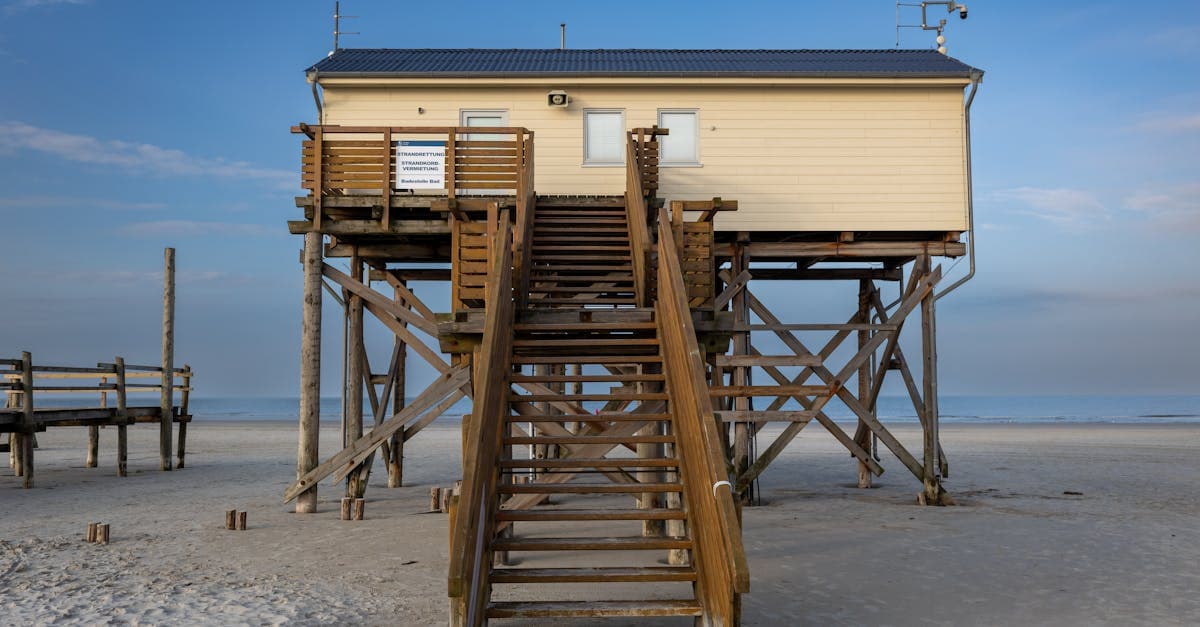
Elevated construction in Florida: Florida building codes require new construction in flood zones to be elevated above the base flood elevation. Homes built on pilings, stilts, or raised foundations comply with this requirement. Elevated homes still require flood insurance in mandatory zones but typically pay lower premiums because the living space is above the expected flood level.
Flood vents and openings: Enclosures below the base flood elevation — such as ground-level garages — must have flood vents that allow water to enter and exit freely. Proper flood vents reduce structural damage during flooding and can affect insurance ratings. However, they do not remove the insurance requirement.
Flood barriers and retrofits: Homeowners can install barriers, waterproof coatings, and other retrofits to reduce flood damage. These measures may qualify for premium discounts but do not change the flood zone designation or eliminate the insurance requirement. FEMA's Community Rating System provides premium discounts for communities that implement comprehensive flood mitigation.
The Community Rating System (CRS): Many Florida communities participate in the CRS, which recognizes community-level floodplain management activities that exceed NFIP minimum requirements. Participating communities earn premium discounts of 5 to 45 percent for their residents. These discounts reduce the cost of both required and voluntary flood insurance.
Mitigation grants: FEMA offers mitigation grants for flood-prone properties, including funding for elevation, flood-proofing, and in some cases, property buyouts. Florida homeowners with repetitive flood losses may qualify for increased mitigation assistance.
When Flood Insurance Is Not Required in Florida — But You Should Still Have It
The story does not end there. The federal flood insurance mandate captures properties in the highest-risk zones with federal mortgages. But millions of Florida properties face real flood risk without a legal requirement to carry coverage. Understanding this gap is critical because the balance-sheet devastation that hits Florida homeowners who assumed flood insurance was someone else's problem until floodwater entered their living room.
Properties outside high-risk zones: Florida properties in Zone X, B, or C are not subject to the federal mandate regardless of mortgage type. Yet over 25 percent of NFIP flood claims come from these moderate and low-risk zones. In Florida, where flat terrain impedes drainage and heavy rainfall can overwhelm stormwater systems, flooding in non-mandatory zones is a regular occurrence.
Properties without federal mortgages: Homes owned outright, financed through private lenders not subject to federal regulation, or held in certain trust arrangements may not face a federal flood insurance mandate even if they are in high-risk zones. The absence of a mortgage requirement does not reduce the flood risk — it simply removes the mandated financial protection.
Homes where the mortgage is paid off: Many Florida homeowners drop flood insurance once they pay off their mortgage and the legal requirement ends. This is one of the most dangerous financial decisions a Florida homeowner can make. The flood risk has not changed — only the requirement has been removed.
The financial argument for voluntary coverage: A single inch of floodwater in a home can cause $25,000 in damage. Two feet of water can cause $80,000 or more. Without flood insurance, these costs come entirely from savings, loans, or home equity. Federal disaster assistance, when available, typically comes as loans that must be repaid — not grants. FEMA individual assistance averages around $5,000 to $8,000, a fraction of actual flood repair costs.
Affordable options for voluntary coverage: Properties outside high-risk zones may qualify for NFIP Preferred Risk Policies with premiums as low as $300 to $600 per year. For this cost, the coverage provides $250,000 in building protection and $100,000 in contents protection — an exceptional value for properties that face real flood risk without a mandate.
How Elevation and Mitigation Affect Flood Insurance Requirements and Costs in Florida
The story does not end there. While elevation and mitigation measures do not eliminate flood insurance requirements in mandatory zones, they significantly affect the cost of coverage and the practical risk your Florida property faces.
Elevation certificates: An elevation certificate documents your property's elevation relative to the base flood elevation established by FEMA. Properties built above the base flood elevation face lower flood risk and typically qualify for lower insurance premiums, even in mandatory zones. Obtaining an elevation certificate is one of the most effective steps a Florida homeowner can take to potentially reduce flood insurance costs.
Elevated construction in Florida: Florida building codes require new construction in flood zones to be elevated above the base flood elevation. Homes built on pilings, stilts, or raised foundations comply with this requirement. Elevated homes still require flood insurance in mandatory zones but typically pay lower premiums because the living space is above the expected flood level.
Flood vents and openings: Enclosures below the base flood elevation — such as ground-level garages — must have flood vents that allow water to enter and exit freely. Proper flood vents reduce structural damage during flooding and can affect insurance ratings. However, they do not remove the insurance requirement.
Flood barriers and retrofits: Homeowners can install barriers, waterproof coatings, and other retrofits to reduce flood damage. These measures may qualify for premium discounts but do not change the flood zone designation or eliminate the insurance requirement. FEMA's Community Rating System provides premium discounts for communities that implement comprehensive flood mitigation.
The Community Rating System (CRS): Many Florida communities participate in the CRS, which recognizes community-level floodplain management activities that exceed NFIP minimum requirements. Participating communities earn premium discounts of 5 to 45 percent for their residents. These discounts reduce the cost of both required and voluntary flood insurance.
Mitigation grants: FEMA offers mitigation grants for flood-prone properties, including funding for elevation, flood-proofing, and in some cases, property buyouts. Florida homeowners with repetitive flood losses may qualify for increased mitigation assistance.
FEMA Flood Zones in Florida: What They Mean for Requirements
What happened next changed everything. FEMA classifies every area in the United States into flood zones based on the probability and type of flooding. In Florida, these zone designations are the primary driver of flood insurance requirements.
Zone A and its variants (AE, AH, AO, AR, A99): These are high-risk zones with a one percent or greater annual chance of flooding — the so-called 100-year flood zone. Zone AE is the most common in Florida, indicating that FEMA has determined the base flood elevation. Properties in A zones with federal mortgages face mandatory flood insurance. Florida has millions of properties in A zone designations.
Zone V and its variants (VE): These are coastal high-hazard zones subject to storm surge and wave action in addition to flooding. V zones represent the highest flood risk in Florida. Found along the coast, barrier islands, and low-lying coastal areas, V zone properties face the strictest insurance requirements and the highest premiums. VE zones include determined base flood elevations.
Zone X (shaded): Moderate flood risk, representing areas between the 100-year and 500-year flood boundaries. No federal insurance mandate applies, but flood risk is real. Many Florida properties in Zone X shaded have experienced significant flood damage from heavy rainfall and poor drainage.
Zone X (unshaded): Minimal flood risk areas outside the 500-year floodplain. No federal requirement and the lowest statistical flood risk. However, approximately 20 percent of NFIP claims come from X zones, demonstrating that minimal risk does not mean zero risk — particularly in Florida's flat terrain.
Zone D: Areas where flood hazards are undetermined because FEMA has not conducted a detailed flood study. Some Florida areas still carry Zone D designations. Lenders may require flood insurance in Zone D areas as a precautionary measure even though no formal FEMA determination exists.
How to check your zone: Visit FEMA's Flood Map Service Center at msc.fema.gov or your county's property appraiser website to look up your property's flood zone designation. The zone listed on the current Flood Insurance Rate Map determines your insurance requirement.
Flood Insurance Requirements in a Changing Florida
Florida's flood landscape is evolving. Sea levels are rising. Hurricane intensity is increasing. Rainfall events are becoming more extreme. And FEMA is updating flood maps to reflect these changing realities. All of these trends point toward expanded flood risk and potentially expanded requirements.
For homeowners currently in mandatory zones, the outlook suggests continued or increasing premium costs as Risk Rating 2.0 takes full effect and actuarial rates reflect true risk. Mitigation investments — elevation, flood vents, and community-level improvements — become more valuable as premiums rise.
For homeowners currently outside mandatory zones, the trend suggests that some properties will be mapped into high-risk zones as maps are updated. Properties near the current boundary between Zone X and Zone AE should be particularly attentive to map revision notices.
For all Florida homeowners, the long-term outlook reinforces the importance of treating flood insurance as a core component of property ownership. The requirements may change, the maps will be updated, and the premiums will evolve — but the underlying reality of flood risk in Florida is not going away.
Stay informed, maintain your coverage, invest in mitigation where possible, and ensure that your flood protection keeps pace with your property's actual risk. The future of flood insurance in Florida is one of increasing importance, and the homeowners who prepare now will be best positioned to weather whatever comes next.
Continue reading

The Financial Strength Factor: Why Carrier Ratings Matter in Quote Comparison
An insurance quote is only as good as the company behind it. Comparing carrier financial strength ratings ensures your chosen insurer can actually pay claims when disaster strikes.

Policy Checkup After a Divorce: Separating and Restructuring Coverage
Divorce requires separating joint policies, updating beneficiaries, adjusting coverage limits, and establishing independent insurance portfolios. A thorough checkup prevents post-divorce coverage gaps.

AOB in Auto Insurance: How It Works With Vehicle Repair Claims
Auto glass shops and body repair facilities sometimes use AOBs to bill your insurer directly. Understanding how AOB works in auto insurance helps you manage your vehicle claims.