Mold Coverage Limits in Florida Homeowners Policies

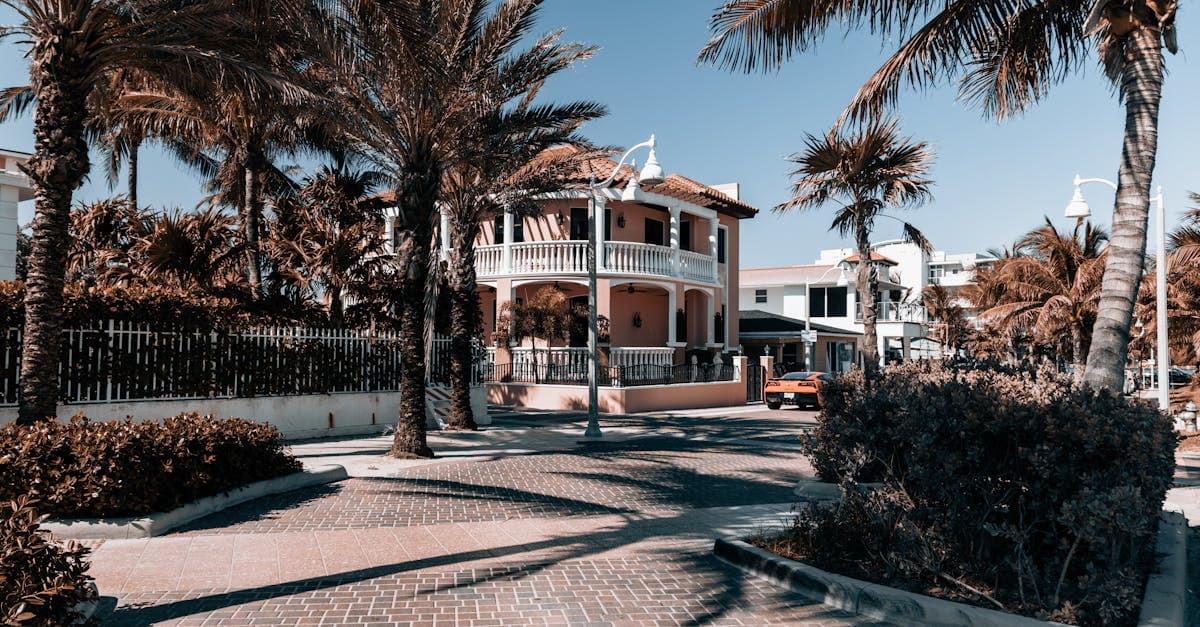
Florida's homeowners insurance market has been shaped by decades of hurricanes, legislative battles, and market upheaval that make it one of the most complex and challenging insurance environments in the United States. Understanding this history helps you ask better questions when buying a policy today.
Hurricane Andrew in 1992 fundamentally reshaped Florida insurance. The storm destroyed more than 25,000 homes and damaged over 100,000 more, causing $27 billion in insured losses. Eleven insurers became insolvent. The state created Citizens Property Insurance Corporation as an insurer of last resort and enacted new building codes that would eventually make Florida homes some of the most storm-resistant in the nation.
The 2004 and 2005 hurricane seasons tested the reformed market with eight hurricanes striking Florida in 16 months. Insurers paid billions in claims, and the market contracted as carriers pulled out of the state. Premiums rose dramatically. Homeowners in coastal areas found it increasingly difficult to obtain coverage at any price.
More recently, Florida has grappled with an insurance litigation crisis that drove premiums higher and pushed more insurers toward insolvency. Legislative reforms in 2022 and 2023 addressed assignment of benefits abuse and reduced frivolous lawsuits, but the effects are still working through the system.
This history matters because it created the current landscape you face as a buyer: high premiums, complex policy structures, insurer stability concerns, and coverage nuances that exist nowhere else. The questions you ask before buying reflect lessons learned from decades of Florida insurance challenges.
Liability Coverage Questions Every Florida Homeowner Should Ask
The story does not end there. Liability coverage protects you when someone is injured on your Florida property or you cause damage to someone else's property. Florida's outdoor lifestyle, pools, and year-round activity create liability exposure that requires careful evaluation.
Standard liability limits: Florida homeowners policies typically offer liability coverage starting at $100,000, with options to increase to $300,000 or $500,000. Given the potential severity of injury claims, most financial advisors recommend at least $300,000.
Swimming pool liability: Florida has one of the highest rates of pool ownership in the country. Pools significantly increase liability exposure, especially for child drowning and diving injuries. Insurers may require specific safety features like fences, alarms, and covers.
Dog bite liability: Florida follows strict liability for dog bites, meaning the owner is liable regardless of the dog's history. Some Florida insurers exclude certain dog breeds from liability coverage. If you own a dog, confirm that your policy covers dog bite claims.
Recreational features: Trampolines, swing sets, docks, boat lifts, and other recreational features increase liability exposure. Some features may be excluded from coverage or require additional endorsements. Disclose all recreational features to your insurer.
Medical payments coverage: Med-pay covers small injury claims on your property regardless of fault, typically up to $1,000 to $5,000 per person. This no-fault coverage handles minor incidents without triggering a liability claim.
Umbrella policy consideration: For Florida homeowners with pools, docks, rental properties, or significant assets, an umbrella policy provides liability coverage above your homeowners and auto policy limits, typically in $1 million increments at relatively modest premiums.
The essential question to ask: Ask your agent what liability limit your policy carries, whether any features of your property are excluded from liability coverage, what the med-pay limit is, and whether an umbrella policy would be appropriate given your specific risk factors.
Four-Point Inspections: What Florida Insurers Are Looking For
What happened next changed everything. Many Florida insurers require a four-point inspection before issuing or renewing a homeowners policy, especially for older homes. Understanding what the inspection covers and how to prepare for it speeds up your insurance application.
Roof evaluation: The inspector assesses the roof type, material, age, condition, and estimated remaining useful life. Roofs with less than five years of expected life may result in coverage denial or restrictions. Missing shingles, signs of damage, or visible wear are documented.
Electrical system inspection: The inspector evaluates the type of wiring, circuit breaker panel brand and condition, and evidence of any electrical hazards. Federal Pacific panels, Zinsco panels, aluminum wiring, and knob-and-tube wiring are red flags for Florida insurers.
Plumbing system review: The inspector examines pipe material, water heater age and condition, and evidence of leaks or water damage. Polybutylene pipes and old galvanized steel pipes can be disqualifying factors with some insurers.
HVAC system assessment: The inspector checks the age and condition of your heating and cooling system. While HVAC issues are less likely to disqualify you than roof or electrical problems, an extremely old or poorly maintained system can affect underwriting.
Preparing for the inspection: Before scheduling a four-point inspection, address visible issues you can fix. Replace missing shingles, repair obvious leaks, and ensure your electrical panel is accessible and properly labeled. Small repairs can prevent inspection-related delays.
The essential question to ask: Ask your agent which insurers require four-point inspections for your home, what specific findings could disqualify you from coverage, and whether you can get a preliminary assessment of potential issues before scheduling the formal inspection.
How to File a Florida Homeowners Insurance Claim Successfully
The story does not end there. Knowing the claim filing process before you need it ensures faster recovery and better outcomes. Florida claims, especially after hurricanes, involve specific steps and timelines that homeowners should understand in advance.
Immediate documentation: After damage occurs, document everything before beginning cleanup or repairs. Photograph and video all damage from multiple angles. Save damaged items that you can store safely. Create a written inventory of damaged property with estimated values.
Prompt reporting: Report your claim to your insurer as soon as possible. Florida law sets time limits for claim reporting, and delays can complicate your claim. Have your policy number, date of loss, and a brief description of damage ready when you call.
Emergency repairs vs permanent repairs: You can make emergency repairs to prevent further damage — tarping a damaged roof, boarding up broken windows, extracting standing water — without waiting for adjuster approval. Keep receipts for all emergency repair costs.
Adjuster inspection: Your insurer will send an adjuster to inspect the damage. Be present during the inspection to ensure all damage is documented. Walk the adjuster through every affected area and point out damage that might not be immediately visible.
Getting your own estimate: You have the right to obtain independent repair estimates from licensed contractors. If your insurer's estimate seems low, present your own estimates and supporting documentation to negotiate a fair settlement.
The essential question to ask: Ask your agent what the specific claim reporting process is for your insurer, what documentation you should prepare in advance of any loss, what the typical timeline is from claim reporting to payment, and who your contact would be during the claims process.
Wind Mitigation Discounts: Saving Money on Florida Insurance
The story does not end there. Florida law requires insurers to offer premium discounts for homes with specific wind-resistant construction features. A wind mitigation inspection can document these features and potentially reduce your premium by 20 to 50 percent or more.
What a wind mitigation inspection covers: A certified inspector evaluates seven key building features: roof covering type and age, roof deck attachment method, roof-to-wall connection type, roof shape (hip vs gable), secondary water resistance barrier, opening protection (shutters or impact windows), and building code year.
Roof-to-wall connections: The method used to connect your roof structure to your walls has a major impact on wind resistance and premium discounts. Clips, single wraps, and double wraps each provide increasing levels of protection and correspondingly larger discounts.
Opening protection: Homes with impact-resistant windows and doors or code-approved storm shutters on all openings qualify for substantial discounts. The protection must cover every opening to earn the full credit.
Secondary water resistance: A sealed roof deck — where the plywood sheathing under your roofing material has a waterproof membrane — prevents water intrusion even if shingles are blown off. This feature earns a significant premium discount.
Hip roof vs gable roof: Hip roofs with four sloping sides perform better in hurricanes than gable roofs with vertical end walls. If your home has a hip roof, the wind mitigation inspection documents this for a premium credit.
The essential question to ask: Ask your agent whether you have a current wind mitigation inspection on file, what features your home has that qualify for discounts, and how much you could save by getting an inspection or making specific improvements to your home.
Named Storm vs Hurricane Deductibles: A Critical Florida Distinction
What happened next changed everything. Not all Florida policies define their wind deductible triggers the same way. The difference between a named storm deductible and a hurricane deductible can mean thousands of dollars in out-of-pocket costs depending on how a weather event is classified.
Hurricane deductible triggers: A hurricane deductible applies only when the National Hurricane Center declares a hurricane — sustained winds of 74 mph or greater. If a tropical storm with 65 mph winds damages your home, your standard all-other-perils deductible applies, which is typically much lower.
Named storm deductible triggers: A named storm deductible applies to any named tropical weather event — tropical storms, tropical depressions that receive names, and hurricanes. This broader trigger means your higher percentage deductible applies to more weather events.
The financial difference: If you have a 2 percent named storm deductible on a $400,000 home, your $8,000 deductible applies when Tropical Storm Amy causes wind damage. If you had a hurricane deductible instead, your standard $1,000 or $2,500 all-other-perils deductible would apply for the same tropical storm damage.
Policy language matters: The specific language in your policy determines which deductible applies. Do not assume — read the deductible section of your policy or ask your agent to clarify whether your wind deductible triggers on any named storm or only on hurricanes.
Premium implications: Named storm deductibles may carry slightly lower premiums than hurricane deductibles because the broader trigger shifts more cost to you. But the premium savings may not justify the increased out-of-pocket exposure for tropical storm events.
The essential question to ask: Ask your agent whether your policy has a hurricane deductible or a named storm deductible, what specific event declaration triggers the higher deductible, and what the premium difference would be if you switched to the other type.
Insuring Older Florida Homes: Challenges and Questions
The story does not end there. Older Florida homes present specific insurance challenges that newer homes do not face. Understanding these challenges helps you navigate coverage options and avoid surprises during the underwriting process.
Four-point inspection requirement: Most Florida insurers require a four-point inspection for homes over 25 or 30 years old. This inspection evaluates the roof, electrical system, plumbing system, and HVAC system. Problems identified in any of these areas can result in coverage denials or required repairs.
Electrical system concerns: Homes with older wiring types — aluminum wiring, knob-and-tube wiring, or Federal Pacific panels — face underwriting challenges. Some insurers refuse to cover homes with these systems. Others require updates before issuing a policy.
Plumbing material issues: Older Florida homes may have polybutylene piping, which is prone to failure and is a red flag for insurers. Galvanized steel piping that corrodes over time also raises underwriting concerns. Both may require replacement before insurers will write coverage.
Roof age restrictions: As discussed earlier, older roofs are a major insurance barrier in Florida. Homes with roofs approaching or exceeding 15 to 20 years may face limited coverage options or actual cash value settlement terms.
Building code gap: Older homes built before Florida's strengthened post-Andrew building codes may need significant upgrades to meet current standards after a major loss. Ordinance or law coverage is essential for older homes where the code gap is substantial.
The essential question to ask: Ask your agent what inspections your older home requires, whether any building systems need updating for insurability, how the age of your home affects coverage terms and pricing, and whether adequate ordinance or law coverage is included.
Looking Ahead: Florida Homeowners Insurance in a Changing Market
Florida's insurance landscape is in transition. Legislative reforms are working through the system. New carriers are entering the market. Climate science is reshaping risk models. And technology is creating new coverage products and delivery methods.
For Florida homeowners, this transition creates both challenges and opportunities. Premiums may stabilize or even decrease for well-protected homes as competition increases. New products like parametric insurance may supplement traditional coverage. And improved data analytics may produce more accurate pricing that rewards lower-risk properties.
But the fundamental questions remain the same regardless of market changes. You still need adequate hurricane coverage with a deductible you can afford. You still need separate flood insurance. You still need a financially stable insurer. And you still need to understand your policy's exclusions and limitations.
The homeowners who ask these questions consistently — at initial purchase and at every renewal — position themselves to take advantage of market improvements while maintaining protection against Florida's ongoing risks.
Stay informed. Review your coverage annually. Ask questions whenever terms change. And maintain the preparation that protects your Florida home through whatever the market and the weather deliver next.
Continue reading

The Financial Strength Factor: Why Carrier Ratings Matter in Quote Comparison
An insurance quote is only as good as the company behind it. Comparing carrier financial strength ratings ensures your chosen insurer can actually pay claims when disaster strikes.
Policy Checkup After a Divorce: Separating and Restructuring Coverage
Divorce requires separating joint policies, updating beneficiaries, adjusting coverage limits, and establishing independent insurance portfolios. A thorough checkup prevents post-divorce coverage gaps.
AOB in Auto Insurance: How It Works With Vehicle Repair Claims
Auto glass shops and body repair facilities sometimes use AOBs to bill your insurer directly. Understanding how AOB works in auto insurance helps you manage your vehicle claims.