Personal Liability When Your Tree Falls on a Neighbor's Property

Personal liability coverage on homeowners insurance evolved alongside the development of premises liability law in the United States. In the early days of homeownership, the legal concept of duty of care to visitors was far more limited than it is today. Property owners had minimal legal obligation to protect anyone who entered their land.
As courts expanded the definition of premises liability through landmark cases in the mid-20th century, the insurance industry recognized that homeowners needed financial protection against injury claims from visitors. Personal liability coverage became a standard component of the homeowners policy form, which was first standardized by the Insurance Services Office in the 1950s.
Over the decades, the scope of homeowners personal liability has expanded to reflect changing legal standards. Courts have imposed greater responsibility on property owners for maintaining safe conditions, warning visitors of hazards, and supervising activities on their property. The attractive nuisance doctrine extended liability to include injuries to trespassing children attracted by features like swimming pools and trampolines.
Today, personal liability coverage is one of the most comprehensive protections available to homeowners. It covers bodily injury and property damage liability both on and off the insured premises, pays for legal defense costs, and provides medical payments to others for minor injury claims. The coverage has adapted to modern risks including drone operations, social media liability, and home-sharing activities — though not all of these risks are covered under every policy.
Hosting Parties and Alcohol: Social Host Liability
The story does not end there. Serving alcohol at your home creates liability exposure that every homeowner should understand. Social host liability laws vary significantly by state, and your homeowners personal liability coverage may or may not fully address the risks of hosting events where alcohol is served.
Social host liability laws: Many states hold social hosts legally responsible when they serve alcohol to a guest who subsequently causes injury to themselves or others. If you host a party, serve alcohol to a visibly intoxicated guest, and that guest causes a car accident after leaving, you may be partially liable for the resulting injuries and damages.
What homeowners liability covers: Your personal liability coverage generally responds to social host liability claims — injuries resulting from your negligence in serving alcohol to guests. However, the coverage applies only if you are found negligent. Simply hosting a party where alcohol is served does not automatically create liability.
Serving to minors: Providing alcohol to minors creates significantly greater legal exposure. Most states impose strict liability on adults who serve alcohol to underage persons, meaning you are automatically liable for resulting injuries regardless of whether you were negligent. Your homeowners personal liability coverage may respond, but the intentional act of serving a minor may trigger coverage disputes.
Risk management strategies: Provide non-alcoholic alternatives, stop serving alcohol well before the event ends, arrange transportation for intoxicated guests, never serve alcohol to minors, and monitor guest consumption. These steps reduce both your legal exposure and your likelihood of needing to file a liability claim.
Large event considerations: If you are hosting a large event such as a wedding reception or milestone celebration, consider hiring a licensed bartender and obtaining a special event liability policy. These measures provide professional alcohol management and additional coverage beyond your homeowners personal liability limits.
Dog Bite Liability: One of the Most Common Claims
What happened next changed everything. Dog bite claims represent one of the largest categories of homeowners personal liability claims in the United States. The Insurance Information Institute reports that dog-related injury claims cost insurers over $1 billion annually, with average claim costs exceeding $50,000. Understanding how your homeowners policy handles dog bites is essential for any pet owner.
Standard coverage: Most homeowners policies cover dog bite liability as part of the personal liability section. If your dog bites someone — whether on your property or while you are walking the dog in the neighborhood — personal liability coverage pays the injured person's medical bills, lost wages, and any legal damages up to your policy limit.
Breed restrictions: Some insurers exclude or restrict coverage for specific dog breeds they consider high-risk, including pit bulls, rottweilers, German shepherds, Doberman pinschers, and others. If your insurer excludes your dog's breed, you have a significant coverage gap. Some states prohibit breed-based exclusions, but many do not.
One-bite rules vs strict liability: State law determines when a dog owner is liable for a bite. Some states follow a one-bite rule where the owner is liable only if they knew the dog had aggressive tendencies. Other states impose strict liability, making the owner responsible for any bite regardless of the dog's history. Your homeowners liability coverage applies under either legal standard.
Multiple bite claims: If your dog bites someone and you file a liability claim, your insurer may non-renew your policy or add a specific exclusion for your dog going forward. A second bite claim often results in the insurer refusing to cover the dog at all. Understanding this progression helps you manage both the risk and the coverage implications.
Prevention as protection: Training, socialization, proper containment, and leash compliance reduce bite risk and protect both people and your insurance coverage. Documenting your dog's training and good behavior can support your defense if a bite does occur.
Umbrella Insurance: Extending Your Liability Protection
The story does not end there. When your homeowners personal liability limit is not enough to fully protect your assets, an umbrella policy provides additional coverage that sits on top of both your homeowners and auto liability. Understanding how umbrella coverage works is diversifying your protection to ensure one accident does not bankrupt your household.
How umbrella policies work: An umbrella policy provides an additional layer of liability coverage — typically in $1 million increments — above your underlying homeowners and auto liability limits. If a liability claim exceeds your homeowners limit, the umbrella policy pays the excess up to its own limit. For example, if you have $300,000 in homeowners liability and a $1 million umbrella, your total liability protection is $1.3 million.
What umbrella policies cover: In addition to extending your homeowners and auto liability limits, umbrella policies often cover liability scenarios that underlying policies exclude. These may include libel, slander, defamation, false arrest, invasion of privacy, and certain legal actions not covered by standard homeowners liability.
Underlying requirements: Umbrella insurers require you to maintain minimum underlying liability limits on your homeowners and auto policies — typically $300,000 to $500,000 for homeowners liability and $250,000/$500,000 for auto liability. Meeting these requirements ensures that the umbrella is truly excess coverage, not primary coverage.
Cost and value: Umbrella policies are remarkably affordable for the coverage they provide. A $1 million umbrella typically costs $150 to $300 per year. A $2 million umbrella costs only slightly more. For homeowners with significant assets, future earning potential, or high-risk property features, umbrella coverage provides extraordinary value per premium dollar.
Who needs an umbrella: Consider an umbrella policy if your net worth exceeds your homeowners liability limit, you have high-risk property features like pools or trampolines, you have teenage drivers, you serve on boards or volunteer in leadership roles, or you have significant future earning potential. The coverage protects not just current assets but your financial trajectory.
Slip and Fall Claims: The Leading Liability Risk
The story does not end there. Slip-and-fall accidents are the most common type of personal liability claim on homeowners policies. These incidents range from minor bruises to severe injuries including fractures, head trauma, and spinal damage. Understanding how your homeowners policy handles these claims helps you both prevent incidents and respond effectively when they occur.
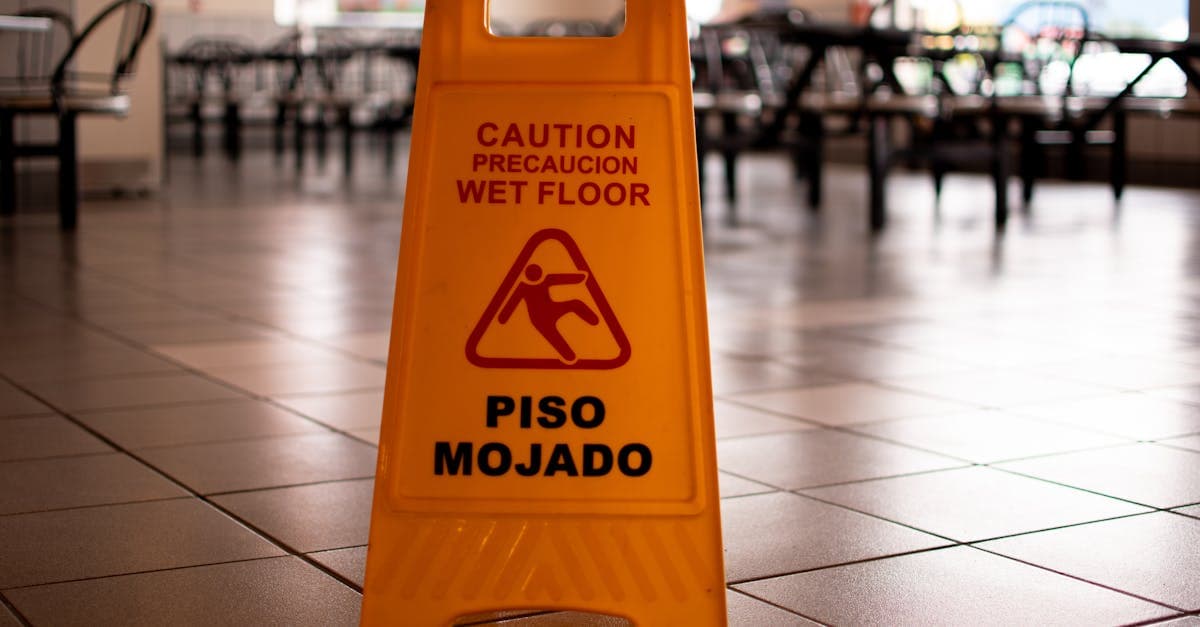
When you are liable: You are typically liable for a slip-and-fall injury when you knew about a hazardous condition and failed to fix it or warn visitors about it. Icy walkways, wet floors, broken steps, uneven surfaces, poor lighting, and loose handrails are common hazards that create liability when left unaddressed. The key legal question is whether you exercised reasonable care to maintain safe conditions.
When you may not be liable: If a visitor ignores obvious hazards, engages in reckless behavior, or trespasses in areas where they are not invited, your liability may be reduced or eliminated. However, the determination is rarely black and white — juries consider the totality of circumstances, and even partially liable homeowners may be required to pay significant damages.
Common claim amounts: Minor slip-and-fall claims involving sprains or bruises may resolve for a few thousand dollars through medical payments coverage. Serious falls involving fractures, surgery, or head injuries generate claims ranging from $50,000 to $300,000 or more, depending on the severity and the jurisdiction. These larger claims are handled by personal liability coverage.
The defense cost advantage: Even when you believe you are not liable, defending against a slip-and-fall lawsuit costs money. Your homeowners personal liability coverage pays for your legal defense, which can easily cost $15,000 to $50,000 or more. This defense cost coverage alone justifies carrying adequate liability limits.
Seasonal risks: Winter ice and snow create heightened slip-and-fall liability for homeowners. Maintaining clear walkways, applying salt or sand, and shoveling promptly after snowfall are both safety measures and liability prevention strategies. Documenting your winter maintenance efforts can support your defense if a claim is filed.
How the Personal Liability Claims Process Works
What happened next changed everything. When someone is injured on your property or you cause damage to someone else's property, the personal liability claims process follows a specific sequence. Understanding these steps helps you respond effectively and protect your interests.
Step one — respond to the incident: Ensure the injured person receives appropriate medical attention. Do not admit fault or make statements about your liability. Express concern for the injured person's wellbeing, but avoid saying anything that could be interpreted as accepting responsibility. These statements can be used against you later.
Step two — document everything: Photograph the scene of the incident, the hazard or condition that caused the injury, and any visible injuries if appropriate. Note the date, time, weather conditions, and names of any witnesses. Preserve any physical evidence related to the incident. This documentation supports your position regardless of how the claim develops.
Step three — notify your insurer promptly: Contact your homeowners insurer as soon as possible after an incident that may result in a liability claim. Most policies require prompt notification, and delayed reporting can complicate or jeopardize your coverage. Provide the facts of the incident without speculating about fault or liability.
Step four — cooperate with the investigation: Your insurer will assign a claims adjuster to investigate the incident. Cooperate fully — provide documentation, answer questions honestly, and make your property available for inspection if requested. Your policy requires your cooperation, and failure to cooperate can void your coverage.
Step five — let the insurer handle communications: Once you report the claim, your insurer takes over communication with the injured party and their attorney. Do not discuss the claim directly with the claimant or their legal representative. Direct all inquiries to your insurer. This protects you from making statements that could harm your position.
What Personal Liability Coverage Includes
The story does not end there. Personal liability coverage is the insurance policy that hedges your net worth against the risk of a single lawsuit. It pays for two categories of loss that you cause to others: bodily injury and property damage. Understanding the scope of each category reveals just how broad this protection actually is.
Bodily injury coverage: If someone suffers a physical injury for which you are legally responsible, personal liability pays their medical expenses, lost wages, rehabilitation costs, and any court-awarded damages for pain and suffering. This applies to injuries on your property — a guest falling on your stairs, a visitor being bitten by your dog — and injuries you cause away from your property, such as accidentally injuring someone during a recreational activity.
Property damage coverage: If you damage someone else's property and are legally liable, personal liability covers the repair or replacement cost. Your child throws a ball through a neighbor's window. A tree on your property falls onto your neighbor's fence. Water from a burst pipe in your home damages the unit below you. These are all property damage liability claims.
Legal defense costs: When someone sues you for bodily injury or property damage, your homeowners policy pays for your legal defense — attorney fees, court costs, expert witnesses, and related expenses. In most homeowners policies, defense costs are paid in addition to your liability limit, meaning they do not reduce the amount available to pay the actual claim.
Worldwide coverage: Personal liability on your homeowners policy generally applies anywhere in the world. If you accidentally cause injury or property damage while traveling domestically or internationally, your homeowners liability coverage responds, subject to your policy limits and exclusions.
Personal Liability Coverage in a Changing World
The liability risks that homeowners face are evolving. Drone operations, home-sharing platforms, electric vehicle charging stations, and social media all create new liability scenarios that traditional homeowners policies were not designed to address. Meanwhile, medical costs continue to rise and jury awards continue to grow, increasing the potential magnitude of liability claims.
These trends mean that personal liability coverage will become more important, not less, in the years ahead. Default coverage limits that were once adequate are increasingly insufficient. New exclusions for emerging activities may create coverage gaps that require endorsements or supplemental policies to address.
Stay ahead of these changes by reviewing your liability coverage annually. Assess new risks that may have emerged — a new pool, a new dog, a new home-based business, a new short-term rental arrangement. Evaluate whether your limits and coverages still align with your actual exposure. And stay informed about how changes in the legal landscape, technology, and your personal circumstances affect your liability protection needs.
The homeowners who fare best are the ones who treat personal liability coverage as a dynamic part of their financial plan — reviewing, adjusting, and optimizing as their lives evolve. Be one of those homeowners.
Continue reading

The Financial Strength Factor: Why Carrier Ratings Matter in Quote Comparison
An insurance quote is only as good as the company behind it. Comparing carrier financial strength ratings ensures your chosen insurer can actually pay claims when disaster strikes.
Policy Checkup After a Divorce: Separating and Restructuring Coverage
Divorce requires separating joint policies, updating beneficiaries, adjusting coverage limits, and establishing independent insurance portfolios. A thorough checkup prevents post-divorce coverage gaps.

AOB in Auto Insurance: How It Works With Vehicle Repair Claims
Auto glass shops and body repair facilities sometimes use AOBs to bill your insurer directly. Understanding how AOB works in auto insurance helps you manage your vehicle claims.