Swimming Pools, Hot Tubs, and Flood Insurance: Coverage You Probably Do Not Have

The National Flood Insurance Program was created in 1968 to provide flood coverage that the private insurance market had largely abandoned. From its inception, NFIP policies were designed with specific exclusions that balanced affordability with coverage scope — and those exclusions have evolved over the decades as the program responded to claims experience and policy objectives.
The basement coverage limitations were formalized as the NFIP recognized that below-grade areas suffer the most frequent and most predictable flood damage. By limiting coverage in these high-risk spaces, the program kept premiums lower for all policyholders while still covering the most catastrophic above-grade damage.
The exclusion of additional living expenses was a deliberate scope decision. The NFIP was designed to cover physical damage to buildings and contents, not the cascading financial consequences of displacement. This kept the program focused on property restoration rather than the broader financial impact of flood events.
Vehicle exclusions reflected the existence of comprehensive auto insurance as a separate coverage mechanism. Rather than duplicating coverage available through auto policies, the NFIP excluded vehicles and directed policyholders to their auto insurers for vehicle flood damage.
Over the decades, private flood insurers have entered the market offering policies with fewer exclusions — some cover additional living expenses, broader basement coverage, and higher limits. Understanding the historical context of NFIP exclusions helps modern policyholders evaluate whether the standard NFIP policy or a private alternative better addresses their specific coverage needs.
Private Flood Insurance: Fewer Exclusions, Different Tradeoffs
The story does not end there. Private flood insurance policies may offer coverage for several items that the NFIP excludes. Understanding these differences helps you decide whether a private policy better addresses your specific coverage needs.
Additional living expenses: Some private flood insurers include additional living expense coverage that the NFIP does not provide. This coverage pays for temporary housing and increased living costs during flood repairs — filling one of the most impactful NFIP gaps.
Broader basement coverage: Certain private policies cover finished basement improvements including drywall, flooring, and built-in features that the NFIP excludes. For homeowners with significant basement investments, this expanded coverage can be worth the premium.
Replacement cost contents: While NFIP contents claims are paid at actual cash value, some private flood policies offer replacement cost coverage for personal property. This eliminates the depreciation gap that reduces NFIP contents claim payments.
Higher coverage limits: The NFIP caps building coverage at $250,000 and contents at $100,000. Private flood insurers may offer higher limits for homes that exceed these values, providing more complete protection for expensive properties.
Loss of rental income: Some private policies cover lost rental income for landlords — a significant gap in NFIP coverage for investment property owners whose rental income stops during flood repairs.
Important considerations: Private flood policies vary significantly between insurers. Not all private policies cover all NFIP exclusions. Read policy language carefully, compare specific coverage terms, and verify the insurer's financial stability before choosing a private policy over the NFIP.
Practical response: Request quotes from both the NFIP and at least one private flood insurer. Compare not just premiums but specific exclusions, coverage features, and claim payment methods. The right choice depends on which exclusions matter most for your specific property and situation.
Mold and Mildew: Covered Damage vs Preventable Damage
What happened next changed everything. Mold damage after flooding is one of the most complex coverage areas in flood insurance. The key distinction is between mold that results directly from the flood event and mold that results from the homeowner's failure to take reasonable preventive action.
What is covered: Mold damage that occurs as a direct and immediate result of the flooding event is generally covered under flood insurance. This includes mold that develops within building materials that were saturated by floodwater before the homeowner could reasonably begin cleanup.
What may be excluded: Mold damage that develops because the homeowner delayed cleanup, failed to ventilate the property, did not remove standing water promptly, or otherwise did not take reasonable steps to prevent mold growth may be excluded from coverage. The insurer may argue that this mold was preventable and therefore not a direct result of the flood.
The timing factor: Mold can begin growing within 24 to 48 hours after flooding. The longer standing water remains and the longer wet materials go untreated, the greater the mold growth and the more difficult it becomes to argue that the damage was unavoidable.
Documentation matters: Document your cleanup efforts with dated photographs, receipts for fans, dehumidifiers, and cleaning supplies, and records of professional remediation services. This documentation demonstrates that you took reasonable preventive steps, supporting your claim for mold damage that developed despite your efforts.
The financial scope: Professional mold remediation after flooding can cost $2,000 to $30,000 depending on the extent of growth and the affected materials. When flood insurance denies mold claims as preventable, this entire cost falls on the homeowner.
Practical response: Begin flood cleanup as soon as safely possible. Remove standing water immediately. Run fans and dehumidifiers continuously. Remove wet materials that cannot be dried quickly. And document every step of your mold prevention efforts to support your insurance claim.
Sewer Backup During Floods: A Coverage Gap Between Policies
The story does not end there. When flooding and sewer backup occur simultaneously — which happens frequently during heavy rainfall events — the damage may fall into a gap between your flood insurance and your homeowners insurance where neither policy provides full coverage.
Flood insurance covers flood damage: Your flood policy covers damage caused by rising surface water, overflow of inland waters, and unusual accumulation of surface water runoff. Water that enters your home from outside as part of a general flooding condition is covered.
Homeowners insurance covers sewer backup: If you have a sewer backup endorsement on your homeowners policy, it covers water that backs up through sewer drains, floor drains, and sump pump systems. This is internal water entering through your plumbing connections.
The simultaneous event problem: During major rain events, both flooding and sewer backup frequently occur at the same time. Surface water may enter through doors and windows while sewer water backs up through floor drains in the basement. The resulting damage may be caused by both sources simultaneously.
Claim attribution challenges: When both sources cause damage in the same event, determining which damage was caused by the flood and which was caused by the sewer backup can be difficult. Each insurer may attribute damage to the other source, potentially leaving the homeowner caught between two claims.
Coverage gaps: Some damage caused during a combined event may not be clearly attributable to either source, creating coverage disputes. Homeowners without both flood insurance and sewer backup coverage face the largest gaps — they may be unable to claim under either policy.
Practical response: Carry both flood insurance and sewer backup coverage on your homeowners policy for the most complete protection. Document the sources of water intrusion during any flood event with photographs and descriptions. And understand that having both policies minimizes the coverage gap during combined flood and sewer backup events.
Outdoor Property and Landscaping Exclusions
The story does not end there. Flood insurance coverage stops at the building footprint. Property located outside the insured building — regardless of its value — is excluded from standard NFIP flood insurance coverage.
Landscaping: Trees, shrubs, lawns, flower gardens, and all other landscaping are excluded from flood insurance. Professional landscaping that cost thousands of dollars to install has no flood insurance protection. Floodwater that destroys mature trees, erodes planting beds, and deposits debris across your yard creates damage you must pay to repair entirely out of pocket.
Fences and gates: All fencing, gates, and boundary structures are excluded from flood insurance. Privacy fences, decorative fences, and functional fences destroyed or damaged by floodwater are the homeowner's full responsibility.
Outdoor structures: Decks, patios, porches, gazebos, pergolas, arbors, outdoor kitchens, and similar structures outside the building footprint are excluded. These outdoor living spaces can represent tens of thousands of dollars in investment with zero flood insurance protection.
Swimming pools and hot tubs: Swimming pools, hot tubs, spas, and their mechanical systems are excluded from flood insurance coverage. Flood damage to pool equipment, liners, and decking comes entirely out of pocket.
Outdoor furniture and equipment: Patio furniture, grills, outdoor cooking equipment, playground equipment, and lawn equipment stored outside the building are all excluded from flood insurance coverage.
Driveways and walkways: Paved driveways, walkways, retaining walls, and hardscaping outside the building footprint are excluded. Flood damage that cracks driveways, undermines walkways, or topples retaining walls creates uncovered repair costs.
Practical response: Accept that outdoor property is self-insured against flood damage. Secure or relocate moveable outdoor items when flooding threatens. And factor outdoor property restoration costs into your emergency planning — landscaping, fencing, and hardscaping restoration can cost $5,000 to $20,000 or more after significant flooding.
Flood Prevention and Mitigation Cost Exclusions
What happened next changed everything. The costs of actively preventing or reducing flood damage to your home are not covered by flood insurance, even when those preventive measures successfully protect your property and reduce the insurer's claim payout.
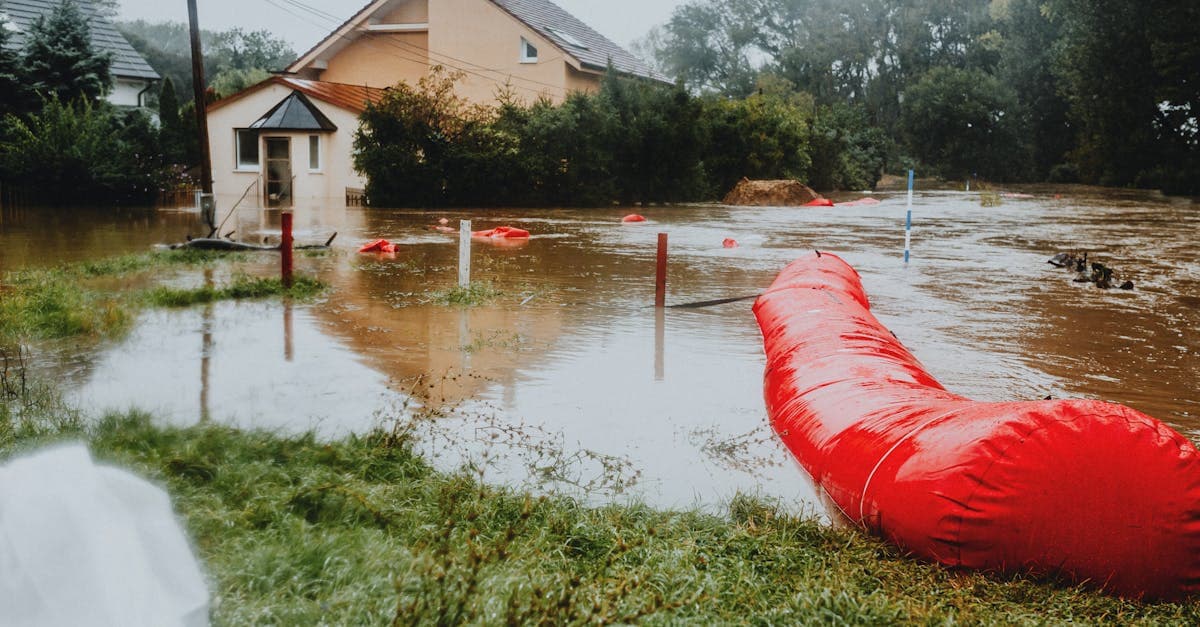
Sandbagging and barriers: The cost of purchasing, filling, and placing sandbags or temporary flood barriers around your home is not covered by flood insurance. Whether you buy sandbags from a hardware store or hire a crew to install temporary barriers, these costs are entirely out of pocket.
Water pumping: If you pump water away from your home during a flood event — renting pumps, buying fuel, or hiring emergency services — these costs are not covered by your flood policy even if the pumping prevents significant damage.
Emergency boarding and waterproofing: Temporary measures to seal windows, doors, and other openings against rising water are not covered. The materials and labor costs for these emergency actions fall on the homeowner.
Moving belongings to safety: The cost of transporting furniture, electronics, and other belongings out of flood-threatened areas of your home is not an insured expense. Professional movers, truck rentals, and storage facility fees during a flood event are the homeowner's responsibility.
Post-flood security: Securing your flood-damaged home against theft, vandalism, or weather — boarding windows, installing temporary fencing, hiring security — is not covered by flood insurance.
The paradox: Homeowners who invest time and money in flood prevention may reduce their insured losses but cannot recover the prevention costs. The incentive structure does not reward proactive flood mitigation through insurance reimbursement, even though prevention benefits both the homeowner and the insurer.
Practical response: Budget for flood prevention costs as part of your emergency preparedness plan. Keep sandbags, plastic sheeting, and other prevention materials on hand. And recognize that the money you spend preventing flood damage — while not reimbursable — is almost always less than the damage it prevents.
Additional Living Expenses: The Missing Coverage
The story does not end there. One of the most consequential flood insurance exclusions is the absence of additional living expense coverage — also called loss of use coverage. When flooding makes your home uninhabitable, your flood insurance does not pay for the costs of living elsewhere during repairs.
What is not covered: Hotel rooms, temporary rental housing, restaurant meals, laundry services, increased commuting costs, pet boarding, and all other expenses associated with being displaced from your flooded home are excluded from NFIP flood insurance.
How this differs from homeowners insurance: Standard homeowners insurance policies include additional living expense coverage that pays for temporary housing and increased living costs when a covered peril makes your home uninhabitable. Homeowners are accustomed to this coverage, which makes the absence of ALE in flood insurance particularly surprising.
The financial impact: Flood repair timelines can range from weeks to months depending on damage severity. At $150 to $250 per night for a hotel or $2,000 to $4,000 per month for a temporary rental, displacement costs accumulate rapidly. A three-month repair period could cost $6,000 to $12,000 or more in temporary housing alone.
Adding meals, laundry, and other costs: Beyond housing, displaced families face increased costs for meals, laundry, storage, and daily logistics. These costs can add $1,000 to $3,000 per month beyond normal living expenses, further increasing the financial burden of displacement.
Practical response: Build an emergency fund that specifically accounts for displacement costs. Some private flood insurers offer policies that include additional living expense coverage — compare options when shopping for flood insurance. And maintain a list of temporary housing options in your area so you can act quickly if displacement becomes necessary.
Flood Insurance Is Evolving — Know Where Coverage Stands Today
The flood insurance landscape is changing. Private flood insurers are entering the market with policies that address many traditional NFIP exclusions — offering additional living expenses, broader basement coverage, replacement cost contents valuation, and higher coverage limits.
FEMA's Risk Rating 2.0 is changing how flood insurance premiums are calculated, basing prices more closely on individual property risk. As the market evolves, coverage options and pricing will continue to shift for homeowners in all flood zones.
These changes create new opportunities for policyholders to close coverage gaps that have existed for decades. Private flood insurance that covers finished basements, includes loss of use benefits, and pays replacement cost for contents represents a significant improvement over standard NFIP exclusions for homeowners willing to shop the market.
Stay informed about your options. Compare NFIP and private flood policies at each renewal. Ask about new coverage features that address the exclusions that matter most for your property. And maintain your layered protection strategy — combining insurance, savings, and prevention — as the most effective approach to managing the full spectrum of flood-related financial risks.
The most prepared homeowners are those who understand their current exclusions and actively work to close the gaps as new options become available.
Continue reading

The Financial Strength Factor: Why Carrier Ratings Matter in Quote Comparison
An insurance quote is only as good as the company behind it. Comparing carrier financial strength ratings ensures your chosen insurer can actually pay claims when disaster strikes.

Policy Checkup After a Divorce: Separating and Restructuring Coverage
Divorce requires separating joint policies, updating beneficiaries, adjusting coverage limits, and establishing independent insurance portfolios. A thorough checkup prevents post-divorce coverage gaps.

AOB in Auto Insurance: How It Works With Vehicle Repair Claims
Auto glass shops and body repair facilities sometimes use AOBs to bill your insurer directly. Understanding how AOB works in auto insurance helps you manage your vehicle claims.