What Homeowners Insurance Does Not Cover: Key Exclusions Explained

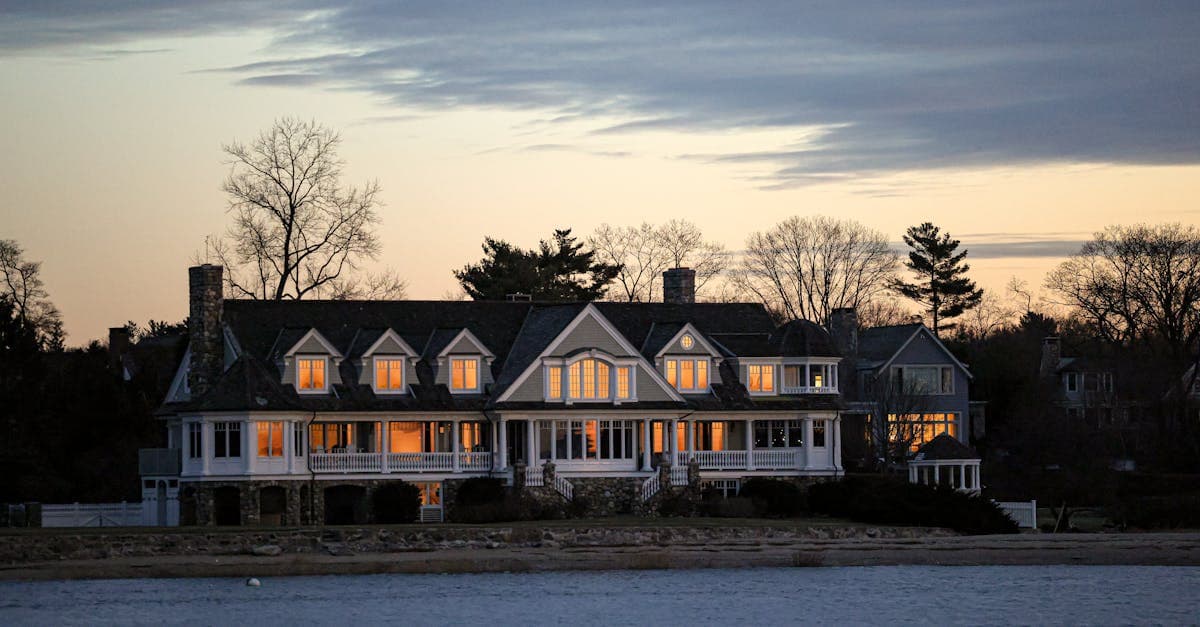
Homeowners insurance as we know it emerged in the 1950s when the insurance industry standardized residential property coverage into a single policy. Before that, homeowners needed separate policies for fire, theft, liability, and other perils — a fragmented system that left dangerous gaps and created confusion during claims. The standardized homeowners policy bundled these protections together, creating the comprehensive coverage system that protects over sixty million American homes today.
The Insurance Services Office developed the standard policy forms that most insurers still use as their foundation. The HO-3, or special form policy, became the most popular because it covers the dwelling against all perils except those specifically excluded — an approach called open perils coverage. Personal property, by contrast, is covered on a named perils basis, meaning only specifically listed perils trigger coverage.
This dual approach — open perils for the structure, named perils for belongings — has remained largely unchanged for decades. What has changed is the world around it. New risks like identity theft, cyber liability, and home-sharing platforms have created coverage gaps that the original policy forms never anticipated. Climate change has increased the frequency and severity of weather-related claims. And rising construction costs have made adequate dwelling coverage limits more important than ever.
Understanding the historical foundation of homeowners insurance helps you appreciate both its strengths and its limitations. The standard policy was revolutionary when it was created, but homeowners today face risks the original designers never imagined. This guide explains what the standard policy covers, what it excludes, and where modern homeowners need supplemental coverage to stay fully protected.
Dog Bites and Pet Liability Under Homeowners Insurance
The story does not end there. Dog bite claims account for over one-third of all homeowners liability payouts, making pet liability one of the most significant coverage areas in your policy. Understanding how your homeowners insurance handles pet-related injuries protects you from potentially devastating lawsuits.
Standard coverage for dog bites: Most homeowners policies cover dog bite liability under the personal liability section. If your dog bites a visitor, neighbor, or passerby, your liability coverage pays for the victim's medical bills, lost wages, and potential pain and suffering damages up to your policy limit.
Breed restrictions: Some insurers exclude specific breeds from liability coverage based on statistical bite data. Breeds commonly excluded or restricted include pit bulls, Rottweilers, German Shepherds, Dobermans, Akitas, and wolf hybrids. If your insurer excludes your dog's breed, a bite incident could leave you personally liable for all damages with no insurance support.
The one-bite rule vs strict liability: Some states follow a one-bite rule where owners are not liable for a first bite if they had no reason to know their dog was dangerous. Other states impose strict liability where dog owners are responsible for bite injuries regardless of the dog's history. Your state's approach affects both your liability exposure and how your insurance responds.
Coverage limits and umbrella protection: The average dog bite liability claim exceeds $50,000, and severe attacks can produce claims in the hundreds of thousands. If your homeowners liability limit is $100,000 and a bite claim reaches $250,000, you are personally responsible for the $150,000 difference. An umbrella policy provides the additional layer of protection that dog owners should seriously consider.
Reducing your risk: Socializing and training your dog, maintaining secure fencing, warning visitors about your pet, and following local leash laws all reduce bite risk and strengthen your defense if a claim occurs. Some insurers offer premium reductions for dogs that complete obedience training programs.
Personal Property Coverage: Protecting Everything You Own
What happened next changed everything. Personal property coverage — also called Coverage C — protects your belongings against damage or theft. This includes furniture, clothing, electronics, kitchen items, sporting equipment, books, and virtually everything else you own that is not permanently attached to the structure. The coverage typically equals 50 to 70 percent of your dwelling coverage limit.
Named perils coverage: Unlike your dwelling, personal property on a standard HO-3 is covered on a named perils basis. Only the sixteen perils listed in the policy trigger coverage: fire, lightning, windstorm, hail, explosion, riot, aircraft damage, vehicle damage, smoke, vandalism, theft, volcanic eruption, falling objects, weight of ice and snow, accidental water discharge, and sudden electrical damage.
Sub-limits that matter: Your personal property coverage includes sub-limits — maximum amounts for specific categories of items regardless of your total coverage limit. Common sub-limits include $1,500 for jewelry and watches, $2,500 for firearms, $200 for cash and currency, $2,500 for silverware, and $1,500 for business property at home. These sub-limits catch many homeowners off guard during high-value theft claims.
Replacement cost vs actual cash value: How your insurer values your damaged property dramatically affects your payout. Replacement cost coverage pays to replace items with new equivalents. Actual cash value deducts depreciation, meaning a five-year-old laptop worth $1,200 new might pay only $300 after depreciation. Most experts recommend replacement cost coverage for personal property.
Off-premises coverage: Your personal property coverage extends beyond your home. Items stolen from your car or lost from a hotel room are covered. Off-premises coverage is typically limited to 10 percent of your personal property limit, so high-value items traveling with you may need scheduled endorsement protection.
Fire and Smoke Damage: Your Policy's Most Comprehensive Protection
The story does not end there. Fire is the peril that started the insurance industry, and fire damage remains one of the most thoroughly covered events under homeowners insurance. When fire strikes your home, multiple coverage sections activate simultaneously to fund your recovery.
Dwelling coverage for fire: Fire damage to your home's structure is covered without question under every standard homeowners policy. This includes damage from the fire itself, smoke damage to walls and ceilings, water damage from firefighting efforts, and structural damage caused by firefighters accessing the blaze. The full dwelling coverage limit is available for fire claims.
Personal property losses: Every item destroyed or damaged by fire, smoke, or firefighting water is covered under personal property. This includes clothing, furniture, electronics, kitchen items, and all other personal belongings. Replacement cost coverage pays for new replacements, while actual cash value coverage deducts depreciation from the payout.
Smoke damage specifics: Smoke damage often extends far beyond the fire's location. Smoke residue can penetrate walls, ductwork, clothing, and soft furnishings throughout the home even when the fire is contained to one room. Professional smoke remediation — including cleaning, deodorizing, and replacing smoke-damaged materials — is covered as part of the fire claim.
Loss of use after a fire: Fire damage frequently makes homes uninhabitable for weeks or months. Loss of use coverage pays for your temporary housing, increased meal costs, and other additional living expenses throughout the repair or rebuilding period. For total losses, this coverage may fund temporary living expenses for a year or more.
The claims process for fire: Fire claims are among the most complex because they involve multiple coverage sections, extensive documentation, and often total or near-total loss of personal property. Start by contacting your insurer immediately, documenting the damage with photographs and video, securing the property against further damage, and beginning a comprehensive inventory of destroyed and damaged items.
Other Structures Coverage: Beyond the Main Dwelling
The story does not end there. Other structures coverage — Coverage B — protects detached buildings and structures on your property. This includes detached garages, storage sheds, fences, gazebos, guest houses, barns, and any other structure that is not physically connected to your main dwelling. The coverage limit is typically 10 percent of your dwelling coverage.
What qualifies as an other structure: Any structure on your property that is separated from the main dwelling by clear space — even if connected only by a fence or utility line — qualifies as an other structure. A detached garage is covered under other structures even if it is only steps from your back door. An attached garage, by contrast, is part of the dwelling and covered under Coverage A.
Coverage limit considerations: The standard 10 percent allocation works for most homeowners with a basic shed or fence. But if you have a detached garage worth $50,000, a pool house worth $30,000, or a workshop with valuable equipment, 10 percent of your dwelling coverage may not be enough. Many insurers allow you to increase the other structures limit for an additional premium.
Covered perils: Other structures receive the same open perils coverage as your dwelling on a standard HO-3 policy. This means fire, wind, hail, lightning, vandalism, vehicle impact, and other non-excluded perils are covered. The exclusions are also the same — flood, earthquake, and maintenance-related damage are not covered for other structures.
Rental use restrictions: If you rent a detached structure on your property, your homeowners policy may restrict or exclude coverage. Rented structures may require a separate landlord policy or a specific endorsement.
Fences and boundary disputes: Fence damage from covered perils is covered under other structures. Clarifying fence ownership with neighbors before a loss prevents disputes during the claims process.
Replacement Cost vs Actual Cash Value: How Your Payout Is Calculated
What happened next changed everything. The method your insurer uses to value damaged or destroyed property directly determines how much you receive from a claim. Understanding the difference between replacement cost and actual cash value prevents painful surprises when you need your coverage most.
Replacement cost defined: Replacement cost coverage pays the full amount needed to repair or replace damaged property with materials of similar kind and quality at current prices. If a fire destroys your five-year-old living room furniture, replacement cost pays for new furniture of comparable quality without deducting for age, wear, or depreciation.
Actual cash value defined: Actual cash value coverage pays the replacement cost minus depreciation. Using the same example, if your living room set cost $5,000 new and has depreciated 40 percent over five years, ACV pays $3,000 — leaving you to cover the remaining $2,000 from your own funds. Over an entire household of depreciated items, the difference between RCV and ACV can reach tens of thousands of dollars.
Dwelling coverage valuation: Most homeowners policies provide replacement cost coverage for the dwelling automatically. This means your insurer pays the full cost to rebuild your home to its pre-loss condition using current construction materials and labor costs. Ensure your dwelling coverage limit reflects current replacement cost, not the original purchase price or assessed value.
Personal property valuation: Personal property valuation varies by policy. Some policies default to actual cash value for personal property while offering replacement cost as an upgrade. Others include replacement cost automatically. Check your declarations page to confirm which valuation method applies to your belongings.
The claim payment process: Under replacement cost policies, insurers often pay in two stages. The first payment equals actual cash value. The second — the recoverable depreciation — is paid after you replace the items. If you choose not to replace an item, you receive only ACV.
Home Inventory: The Documentation That Makes or Breaks Your Claim
The story does not end there. Creating a home inventory is investing in comprehensive coverage that protects your home's value and your family's financial stability. This single preparation step can mean the difference between a smooth, fully compensated claim and a frustrating, undercompensated one. Yet most homeowners never create one until after a loss — when it is too late.
Why inventory matters: After a major loss like a fire, you must list every damaged or destroyed item for your insurance claim. Without an inventory, you are relying on memory to recall every book, kitchen utensil, piece of clothing, tool, and decoration you owned. Studies show that homeowners without inventories recover 30 to 50 percent less from claims because they simply forget items.
How to create an effective inventory: Walk through every room with a camera or smartphone, recording video and narrating what you see. Open drawers, closets, and cabinets to document their contents. For valuable items, record serial numbers, model numbers, and purchase prices. Store receipts for major purchases with your inventory documentation.
Organizing by room: Break your inventory into rooms for manageable documentation. List every item in the kitchen, then the living room, then each bedroom, bathroom, garage, attic, and basement. Include items people commonly forget: holiday decorations, tools, sporting equipment, books, cleaning supplies, and pantry contents.
Digital storage: Store your inventory in cloud-based storage accessible from any device. Cloud storage ensures your documentation survives any disaster. Update annually or whenever you make significant purchases.
Appraisals for valuables: High-value items need professional appraisals for scheduling and to support claim values. Update appraisals every three to five years and store them with your digital inventory.
The Future of Homeowners Insurance Coverage
The homeowners insurance landscape is shifting in response to climate change, technology advances, and evolving consumer needs. Several trends will affect homeowners in the coming years.
Climate change is increasing the frequency and severity of weather-related claims, putting upward pressure on premiums and prompting insurers to tighten coverage in high-risk areas. Homeowners in wildfire zones, hurricane corridors, and flood-prone regions may face increasing difficulty finding affordable coverage. Mitigation improvements to your home — storm shutters, fire-resistant roofing, elevated foundations — can improve both your insurability and your premium.
Smart home technology is creating new coverage opportunities. Water leak detection systems, security cameras, and smart smoke detectors can reduce claim frequency and severity, and many insurers offer premium discounts for homes equipped with these devices. As the technology matures, expect insurance products that integrate directly with home monitoring systems.
Parametric insurance — policies that pay a fixed amount when specific conditions are met rather than requiring a traditional claims adjustment — is emerging for natural disaster coverage. These products could simplify and speed up claims for events like hurricanes, earthquakes, and wildfires.
Stay ahead of these changes by reviewing your coverage annually, investing in home safety improvements, and staying informed about new coverage products that address emerging risks. The homeowners who adapt their coverage to a changing world will maintain the best protection at the most competitive prices.
Continue reading

The Financial Strength Factor: Why Carrier Ratings Matter in Quote Comparison
An insurance quote is only as good as the company behind it. Comparing carrier financial strength ratings ensures your chosen insurer can actually pay claims when disaster strikes.

Policy Checkup After a Divorce: Separating and Restructuring Coverage
Divorce requires separating joint policies, updating beneficiaries, adjusting coverage limits, and establishing independent insurance portfolios. A thorough checkup prevents post-divorce coverage gaps.

AOB in Auto Insurance: How It Works With Vehicle Repair Claims
Auto glass shops and body repair facilities sometimes use AOBs to bill your insurer directly. Understanding how AOB works in auto insurance helps you manage your vehicle claims.