Fire Sprinkler Systems and Homeowners Insurance Discounts

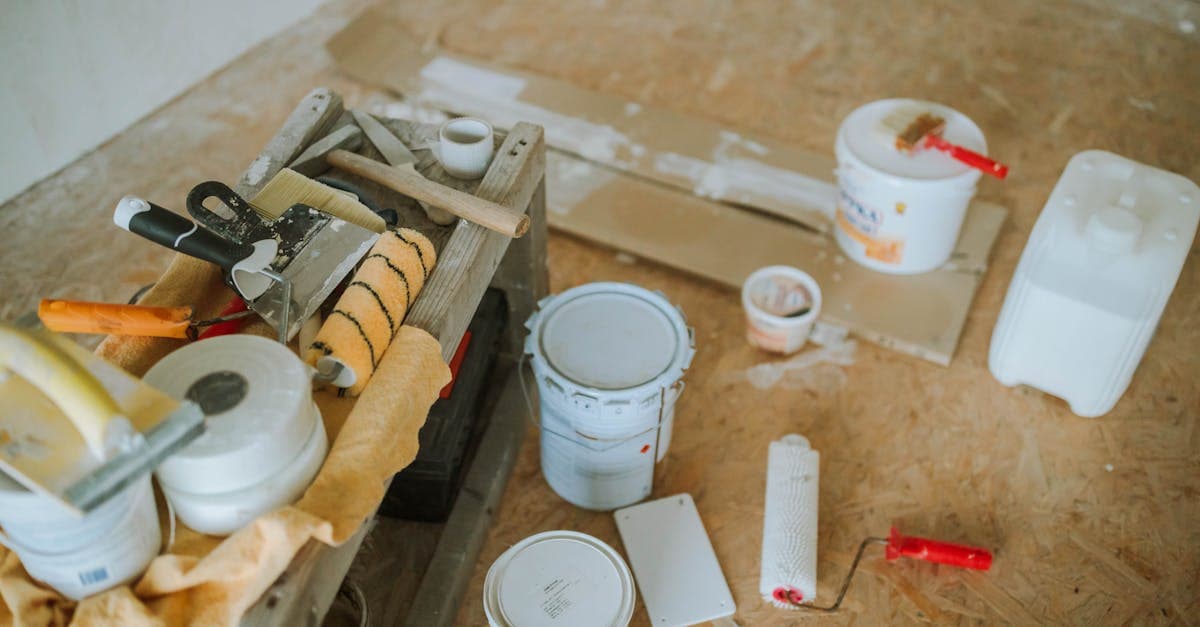
The relationship between home improvements and insurance has become increasingly complex as renovation spending has grown and home features have become more diverse. In earlier decades, homes were built with standardized materials and basic features, making replacement cost calculations straightforward and upgrades rare.
Today's homeowners invest in custom kitchens, luxury bathrooms, smart home technology, energy-efficient systems, outdoor living spaces, and specialty features that were not part of the insurance landscape a generation ago. Each of these improvements creates insurance implications that the original policy forms were not designed to address.
The insurance industry has responded with more sophisticated replacement cost estimators, endorsements for specific upgrade categories, and discount programs for risk-reducing improvements. But the fundamental challenge remains: insurers cannot track your home improvements in real time. They rely on the information you provided when the policy was written and any updates you report afterward.
This information gap means that the homeowner bears responsibility for keeping coverage current. Every renovation, every addition, every system upgrade changes the equation. And the consequences of falling behind — underinsurance, coverage disputes, and out-of-pocket costs during claims — grow with every unreported improvement.
Understanding which upgrades affect insurance and how to report them efficiently is essential knowledge for any homeowner who invests in their property.
Documenting Home Upgrades for Insurance Purposes
The story does not end there. Proper documentation of home upgrades strengthens your insurance position by supporting accurate replacement cost calculations and speeding up the claims process if your improved home is damaged.
Receipts and invoices: Keep every receipt and contractor invoice for home improvement projects. These documents establish the cost of each upgrade and provide the evidence your insurer needs to verify replacement cost increases.
Before and after photographs: Photograph each project before work begins and after completion. These photos document the scope of the improvement and the quality of materials and finishes installed. In a claim, they demonstrate what existed before the damage occurred.
Contractor documentation: Keep contractor agreements, scope of work documents, and completion certificates. These records establish that work was done professionally and to code, which supports both your coverage position and your claim credibility.
Permit records: If your renovation required building permits, keep copies of the permits and final inspection certificates. Permitted work demonstrates code compliance, which insurers value when assessing risk and processing claims.
Maintain a home improvement log: Create a simple document that lists every improvement by date, description, cost, and contractor name. Update this log after each project and share it with your insurance agent at annual reviews. This running record ensures no improvement is forgotten or unreported.
Digital backup: Store all documentation digitally — cloud storage or a dedicated email folder — so it survives if physical copies are destroyed in a loss. Having your improvement documentation accessible after a disaster when your home files may be gone is essential for the claims process.
Pools, Hot Tubs, and Outdoor Features: Insurance Considerations
What happened next changed everything. Outdoor features like pools, hot tubs, and outdoor living spaces are among the most significant insurance-affecting upgrades because they simultaneously increase replacement cost, create liability exposure, and may require specific coverage modifications.
In-ground swimming pools: An in-ground pool adds $30,000 to $80,000 or more in replacement cost and creates substantial liability exposure. Your insurer will require disclosure, adequate fencing, and may mandate higher liability limits. Pool equipment — pumps, heaters, filters — adds to the replacement cost calculation. Whether the pool falls under dwelling coverage or Coverage B depends on its attachment to the home.
Above-ground pools: While less expensive to install, above-ground pools create similar liability exposure to in-ground pools. Many insurers treat them equally for liability purposes. The replacement cost is lower, but the coverage and notification requirements are the same.
Hot tubs and spas: A hot tub adds $5,000 to $15,000 in replacement cost and creates drowning, burn, and electrical hazard liability. Built-in spas may fall under dwelling coverage while freestanding units may be personal property. Proper installation with GFCI protection and safety covers is typically required.
Outdoor kitchens: A built-in outdoor kitchen with grill, countertop, sink, and refrigerator can add $10,000 to $50,000 in replacement cost. Gas connections add fire risk. Whether the kitchen is attached to the home or freestanding determines the coverage category.
Fire pits and fireplaces: Permanent outdoor fire features add to replacement cost and introduce fire spread liability. Gas fire pits are generally viewed more favorably by insurers than wood-burning options due to lower fire spread risk.
Play equipment and sports courts: Basketball courts, tennis courts, and elaborate play structures add to replacement cost under Coverage B. Elevated structures like zip lines and climbing walls may increase liability concerns.
Solar Panels and Energy Efficiency Upgrades: Insurance Specifics
The story does not end there. Energy efficiency upgrades are a growing category of home improvements with unique insurance implications. Solar panels in particular require careful attention to coverage because they significantly increase replacement cost while also changing your home's risk profile.
Solar panel replacement cost: A typical residential solar installation costs $15,000 to $30,000 or more before incentives. These panels are permanently attached to your roof and should be covered under dwelling coverage. Your Coverage A limit must increase to reflect the installation cost.
Solar panel damage coverage: Roof-mounted solar panels are exposed to hail, wind, and falling objects. Your dwelling coverage protects them as part of the roof structure. Verify with your insurer that your policy does not exclude solar equipment or limit coverage for roof-mounted systems.
Premium impact of solar panels: The premium effect varies by insurer. Some offer green energy discounts. Others increase premiums due to the higher replacement cost and the complexity of repairing or replacing panels after damage. Compare insurers if your current carrier penalizes solar installation.
Geothermal systems: Geothermal heating and cooling systems involve significant underground infrastructure. The system is part of the dwelling and increases replacement cost. The complexity of reinstalling geothermal equipment after a loss should be reflected in your coverage.
High-efficiency windows and insulation: Energy-efficient upgrades like premium windows and spray foam insulation increase replacement cost modestly but provide risk reduction through better weatherproofing and temperature stability. The net premium impact is usually neutral or slightly positive.
Green upgrade endorsements: Some insurers offer green upgrade endorsements that allow you to replace damaged conventional systems with energy-efficient alternatives during a claim — even if the original systems were not energy-efficient. This endorsement supports sustainability goals during the rebuilding process.
Roof and Exterior Upgrades: Premium Impact and Coverage Changes
The story does not end there. Exterior upgrades — particularly roofing — have the most direct impact on insurance premiums because they affect the components most frequently damaged by covered perils. Understanding the insurance implications of exterior work helps you maximize both protection and savings.
Roof replacement: A new roof resets the age clock that many insurers use for pricing and coverage decisions. Policies that limit older roofs to actual cash value may provide full replacement cost for new roofs. The premium impact depends on the new material, with architectural shingles, metal, tile, and impact-resistant options each carrying different pricing.
Roof material upgrades: Upgrading from three-tab asphalt shingles to architectural shingles, metal, tile, or slate changes both replacement cost and risk profile. Metal and tile roofs cost more to replace but last longer and resist damage better, often qualifying for premium discounts.
Siding replacement: New siding affects replacement cost based on the material chosen. Fiber cement, engineered wood, and stone veneer cost more to install and replace than vinyl but offer better durability and fire resistance.
Window replacement: Energy-efficient and impact-resistant windows can earn premium discounts while increasing replacement cost. In hurricane zones, impact-rated windows and doors qualify for significant wind mitigation credits.
Exterior painting and stucco: While basic repainting does not significantly affect coverage, replacing stucco, adding stone veneer, or upgrading exterior finishes increases replacement cost and should be reflected in your coverage.
Garage door replacement: In wind-prone areas, a wind-rated garage door earns premium discounts because the garage door is often the weak point during high winds. Upgrading to a reinforced door reduces the risk of structural failure during storms.
Home Upgrades That Improve Insurance for Older Homes
What happened next changed everything. Older homes — particularly those built before 1980 — face unique insurance challenges including higher premiums, coverage restrictions, and reduced insurer options. Targeted upgrades address these challenges by modernizing the systems insurers are most concerned about.
Electrical modernization: Homes with knob-and-tube wiring, aluminum wiring, or fuse boxes may face coverage restrictions or significant premium surcharges. Upgrading to a modern circuit breaker panel with copper wiring removes one of the biggest insurance concerns for older homes.
Plumbing replacement: Homes with galvanized steel or polybutylene pipes face higher water damage risk. Replacing outdated plumbing with copper or PEX removes the elevated risk and may reduce premiums or remove coverage surcharges.
Heating system upgrade: Older furnaces, boilers, and heating oil systems carry higher fire and malfunction risk. Replacing them with modern high-efficiency systems reduces claims risk and may lower premiums. Removing oil tanks eliminates an environmental liability.
Roof replacement: An old roof is the most common reason for premium surcharges or coverage restrictions on older homes. A new roof immediately improves insurability and typically earns the largest single premium discount available.
Foundation repairs: While foundation settling is excluded from coverage, addressing foundation issues improves your home's structural integrity and insurability. Insurers may decline coverage for homes with significant structural deficiencies.
The four-point inspection: Many insurers require a four-point inspection for homes over 25 to 30 years old, examining electrical, plumbing, HVAC, and roofing. Upgrading these four systems before the inspection yields the best insurability outcome.
Combined impact: Upgrading all major systems simultaneously can transform an older home from a difficult-to-insure property into a preferred risk. The combined premium impact of electrical, plumbing, HVAC, and roof modernization can be substantial.
Home Upgrades That Increase Your Liability Exposure
The story does not end there. Some home improvements make your property more enjoyable but also introduce risks that increase your liability exposure. Understanding these risks ensures you carry adequate liability coverage. Without it, the unbalanced portfolio where home improvements add value that your insurance coverage never absorbed, creating a growing gap between asset and protection.
Swimming pools: Pools are the most significant liability-increasing upgrade. Drowning risk, slip-and-fall injuries, and diving accidents create substantial exposure. Most insurers require pool disclosure, adequate fencing, and may require increased liability limits or an umbrella policy. Some insurers will not cover pools without specific safety features.
Trampolines: Trampolines cause thousands of injuries annually. Many insurers exclude trampoline injuries entirely through a policy endorsement, while others require safety nets, padding, and restricted access. Installing a trampoline without informing your insurer could leave injury claims uncovered.
Hot tubs and spas: Similar to pools, hot tubs create drowning, burn, and slip-and-fall risks. Cover locks, proper fencing, and temperature controls may be required by your insurer. Liability exposure is lower than pools but still significant.
Tree houses and play structures: Elevated play structures introduce fall risk for children. While most policies cover standard play equipment, elaborate tree houses or multi-story play structures may require additional liability consideration.
Dog runs and kennels: If you install facilities for multiple dogs, your liability exposure increases. Some breeds face coverage restrictions or exclusions, and housing multiple animals intensifies the liability profile.
Fire pits and outdoor fireplaces: Open flames create burn and fire spread risk. Proper installation, clearance from structures, and fuel management are important for both safety and insurance purposes. Permanent fire features add to replacement cost while introducing liability considerations.
The liability solution: For most liability-increasing upgrades, the combination of adequate homeowners liability limits and an umbrella policy provides comprehensive protection at reasonable cost.
Home Upgrades and Insurance in a Changing Market
The home improvement market continues to evolve with new materials, smart technology, energy systems, and design trends. Each new category of upgrade creates insurance implications that homeowners must understand.
Smart home technology is becoming a more significant factor in insurance pricing as insurers recognize the claim prevention value of connected devices. Solar installations are standard features in many markets, requiring adjusted coverage approaches. Sustainability upgrades are earning dedicated discount programs.
At the same time, construction costs continue to rise, making the gap between an unupdated policy and reality grow faster than ever. A renovation completed just two years ago may cost 15 to 20 percent more to replicate today due to material and labor cost increases.
Stay ahead of these changes by maintaining open communication with your insurance agent, reviewing your coverage annually, and treating insurance as a component of every home improvement project. Your home is a dynamic asset — your insurance must be equally dynamic.
Continue reading

The Financial Strength Factor: Why Carrier Ratings Matter in Quote Comparison
An insurance quote is only as good as the company behind it. Comparing carrier financial strength ratings ensures your chosen insurer can actually pay claims when disaster strikes.

Policy Checkup After a Divorce: Separating and Restructuring Coverage
Divorce requires separating joint policies, updating beneficiaries, adjusting coverage limits, and establishing independent insurance portfolios. A thorough checkup prevents post-divorce coverage gaps.

AOB in Auto Insurance: How It Works With Vehicle Repair Claims
Auto glass shops and body repair facilities sometimes use AOBs to bill your insurer directly. Understanding how AOB works in auto insurance helps you manage your vehicle claims.