Medical Records and Your Home Insurance Liability Claim

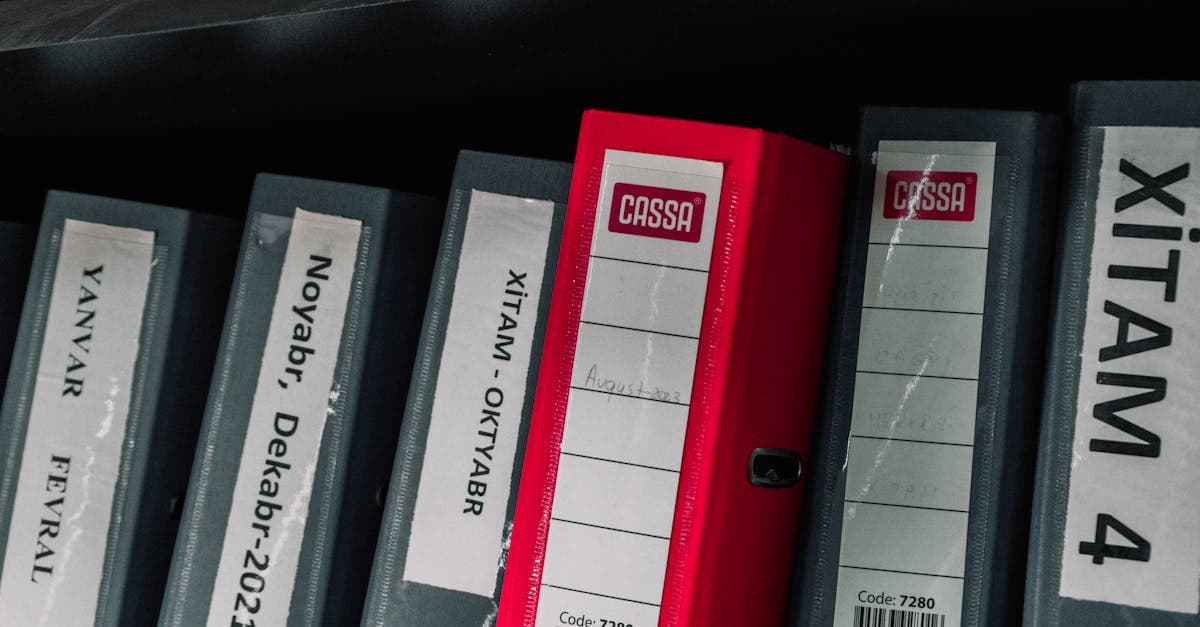
The importance of documentation in insurance claims dates to the earliest days of the industry. When fire insurance first became widespread in the eighteenth and nineteenth centuries, policyholders were required to provide sworn statements of their losses, and disputes over the value of destroyed property were common because neither party had reliable pre-loss records.
The modern home inventory concept emerged in the mid-twentieth century as insurance companies recognized that claims were more efficient when policyholders maintained records of their possessions. The Insurance Information Institute began promoting home inventories in the 1960s, and consumer advocacy organizations followed with guides for documenting personal property.
The digital revolution transformed insurance documentation in the 2000s. Smartphones put cameras in every homeowner's pocket, cloud storage made off-site backups accessible, and home inventory apps turned a tedious paper process into a manageable digital task. Despite these technological advances, adoption remains low — most homeowners still lack the documentation their claims require.
Recent trends toward larger and more complex claims, driven by increasing property values and more severe weather events, have made documentation more important than ever. Adjusters handling hundreds of claims simultaneously rely on documentation to process claims efficiently, and well-documented claims rise to the top of the priority stack.
Completing the Proof of Loss Form
The story does not end there. The proof of loss is a formal, sworn document that your insurer may require for claims above a certain threshold. Completing it accurately is the audited ledger of ownership and value that transforms your claim from a disputed estimate into a verified accounting of losses, backed by the receipts and records that withstand the insurer's scrutiny, because errors or omissions can delay your claim or reduce your settlement.
What the proof of loss is: A proof of loss is a notarized statement signed under oath that details the items lost or damaged, their values, the circumstances of the loss, and the amount claimed. Your insurer typically provides the form and sets a deadline for submission — often sixty days from the date of loss.
Information required: The proof of loss typically requires your policy number, the date and cause of loss, a detailed listing of damaged or destroyed items with values, the amount claimed for dwelling damage, the amount claimed for personal property, any other applicable coverages, and a statement that the information is true and complete.
Accuracy requirements: Because the proof of loss is signed under oath, every figure and statement must be accurate. Overstating values or including items not actually lost can be considered fraud and may result in claim denial. Understating values may limit your recovery. Use your documentation — receipts, appraisals, inventory — to ensure accuracy.
Deadline management: Track the proof of loss deadline carefully. If you need more time due to the complexity of your loss, request a written extension from your insurer before the deadline passes. Missing the deadline without an extension can jeopardize your claim.
Professional assistance: For large or complex claims, consider hiring a public adjuster or consulting an attorney before submitting your proof of loss. These professionals can ensure your document is complete, accurate, and claims the maximum amount your documentation supports.
Copies and records: Keep signed copies of your proof of loss and the notarization documentation. File them with your claim correspondence. If your insurer disputes any aspect of the proof of loss, your copies provide evidence of exactly what you submitted.
Police Reports, Incident Reports, and Official Documentation
The story does not end there. Certain types of losses require official documentation from law enforcement, fire departments, or other authorities. These reports create an independent record of the event that supports the circumstances of your claim.
When police reports are required: Theft, burglary, vandalism, arson, and vehicle strikes to your property all require police reports. File the report as soon as possible after discovering the loss. The police report number becomes a reference point for your insurance claim and verifies the type of incident that occurred.
Fire department reports: If fire or smoke damages your home, the fire department's incident report documents the origin, cause, and extent of the fire. Request a copy of this report for your claim file. It provides official documentation of the event that your insurer uses to verify coverage applicability.
Weather event documentation: For storm, wind, hail, or flood damage, document the weather event using National Weather Service reports, local news coverage, and any official disaster declarations. These records verify that a covered weather event occurred in your area on the dates you claim.
Utility company records: If a power surge, gas leak, or water main break caused or contributed to your damage, request documentation from the utility company confirming the event. Utility records provide independent verification that the triggering event occurred.
Emergency service documentation: If emergency services responded to your property — fire, ambulance, utility crews — request copies of their incident reports. These reports document what responders observed at the scene and what actions they took.
Filing deadlines: Official reports have filing deadlines that vary by jurisdiction and type of incident. File police reports within twenty-four hours of discovery. Request fire department and emergency service reports within the first week. Prompt filing ensures accurate reporting while details are fresh.
Mortgage Lender Documentation Requirements
What happened next changed everything. Your mortgage lender has a financial interest in your property and participates in the claims process for structural damage. Understanding their documentation requirements prevents delays in receiving settlement funds.
Lender's role in claims: For claims involving structural damage, your insurer may issue the settlement check jointly to you and your mortgage lender. The lender holds these funds in escrow and releases them as repairs are completed. Understanding this process prevents frustration when you cannot cash a settlement check immediately.
Required documentation for lender: Your lender typically requires a copy of the adjuster's damage estimate, contractor repair estimates, proof of contractor licensing and insurance, lien waivers as work progresses, and final inspection documentation when repairs are complete.
Repair fund disbursement: Lenders release repair funds in draws — typically thirty-three percent at the start, thirty-three percent at the midpoint, and the final thirty-three percent upon completion and inspection. Document each repair phase with photographs and contractor invoices to support each draw request.
Communication with lender: Keep records of all communication with your mortgage lender's loss department during the claims process. Note the representative's name, their requirements, and any deadlines they impose for repair completion.
Repair completion documentation: When repairs are complete, obtain a final invoice from your contractor, take photographs of the completed work, and request a completion certificate if your lender requires one. This documentation supports the final draw of repair funds and closes the lender's involvement in your claim.
Surplus funds: If your settlement exceeds your repair costs, the surplus is released to you after repairs are complete and inspected. Document the difference between the settlement amount and actual repair costs to claim any surplus promptly.
Documenting Damage After a Loss Occurs
The story does not end there. Post-loss damage documentation is the audited ledger of ownership and value that transforms your claim from a disputed estimate into a verified accounting of losses, backed by the receipts and records that withstand the insurer's scrutiny. The evidence you gather in the first hours and days after a loss establishes the foundation for your entire claim and determines how the adjuster assesses your losses.
Immediate documentation priorities: After ensuring personal safety, begin documenting damage as soon as possible. Photograph all visible damage before any cleanup, repair, or removal of debris begins. Once items are moved, cleaned, or discarded, the original damage evidence is lost permanently.
Systematic damage recording: Document damage room by room, starting with the most severely affected areas. For each room, take wide-angle photographs showing the overall damage and close-up photographs of specific items and structural elements. Record a narrated video walkthrough describing what you see.
Written damage description: Create a written description of each damaged area and item. Include the location, the type and extent of damage, the probable cause, and any relevant details about pre-loss condition. Written descriptions supplement photographs and help adjusters assess damage that photographs alone may not fully convey.
Damaged items preservation: Do not discard damaged items until your adjuster has documented them or given you permission to dispose of them. If items must be removed for safety reasons, photograph them thoroughly before removal and keep samples if possible.
Emergency repair documentation: If you make emergency repairs to prevent further damage — tarping a roof, boarding windows, extracting water — photograph the damage before repairs, keep all receipts for materials and services, and document the repairs themselves. Your policy covers reasonable emergency repairs.
Damage timeline: Create a written timeline documenting when the loss occurred, when you discovered the damage, what emergency steps you took, and when you contacted your insurer. This timeline supports your claim narrative and demonstrates that you acted promptly and responsibly.
Maintenance Records That Support Your Claim
What happened next changed everything. Records of regular home maintenance demonstrate that you fulfilled your duty to maintain your property. This matters because insurance policies require reasonable care and may deny claims for damage caused by neglected maintenance.
Roof maintenance: Keep records of roof inspections, repairs, cleaning, and replacement. Include the date of service, the contractor's name and findings, any work performed, and the next recommended service. Roof-related claims are among the most common, and maintenance records prove your roof was in good condition before the loss.
Plumbing service records: Annual plumbing inspections, drain cleaning, water heater maintenance, and any pipe repairs should be documented. These records are critical for water damage claims, where insurers may investigate whether the failure resulted from neglected maintenance or a sudden covered event.
HVAC maintenance: Regular heating and cooling system maintenance records — filter changes, annual tune-ups, refrigerant checks — demonstrate proper system care. HVAC failure claims are strengthened by records showing the system was professionally maintained.
Electrical inspections: Records of electrical inspections, panel upgrades, and wiring repairs support claims for electrical damage or fire. They also demonstrate that your electrical system met current safety standards at the time of the loss.
Pest control records: Regular pest control service records can be relevant for claims involving termite damage, which is typically excluded, versus damage caused by other pests or animals, which may be covered. Documentation of pest prevention efforts supports your claim that you maintained your property responsibly.
Tree and landscape maintenance: Records of tree trimming, dead tree removal, and landscape maintenance can be relevant if a tree falls on your home. Evidence that you maintained trees properly can counter insurer arguments that the damage resulted from neglected tree care.
Understanding and Storing Your Policy Documents
What happened next changed everything. Your policy documents define the terms, limits, and conditions of your coverage. Having them accessible and understanding their contents before a loss occurs prevents surprises during the claims process.
Declarations page: This single-page summary shows your coverage limits for dwelling, other structures, personal property, loss of use, liability, and medical payments. It also lists your deductible amounts, endorsements, and policy period. Keep a current copy in your emergency document kit and your digital files.
Full policy document: The complete policy includes the declarations page, coverage forms, conditions, exclusions, and endorsements. Read it at least once so you understand what is covered, what is excluded, and what conditions apply. Note any sections that are unclear and ask your agent for clarification.
Endorsements and riders: Endorsements modify your standard coverage by adding, removing, or altering specific provisions. Common endorsements include scheduled personal property for high-value items, water backup coverage, equipment breakdown, and extended replacement cost. Verify that your endorsements match your coverage needs.
Policy storage: Store digital copies of all policy documents in your cloud storage system. Keep a physical copy in a fireproof safe or safe deposit box. Ensure that your spouse, partner, or a trusted family member knows where the documents are stored and how to access them.
Annual policy review: Review your policy documents annually, ideally at renewal. Verify that coverage limits reflect current replacement costs, endorsements match your current needs, and deductible amounts remain appropriate for your financial situation. Document any changes requested and confirm they appear on your updated declarations page.
Agent and insurer contact information: Keep your agent's name, phone number, and email address, as well as your insurer's claims department phone number and website, in an easily accessible location. In the hours after a loss, having these contacts ready saves valuable time.
The Future of Insurance Claim Documentation
Technology is making insurance documentation easier and more powerful. Smartphone apps can scan and categorize receipts automatically. Smart home devices create maintenance logs. Home inventory apps use artificial intelligence to identify and value items from photographs. These tools lower the effort required while increasing the quality of documentation.
Blockchain and distributed storage technologies may soon provide tamper-proof, time-stamped documentation that insurers accept without question. Digital receipt platforms that aggregate purchase history from multiple retailers could eliminate the need to save individual receipts entirely.
Insurance companies themselves are investing in documentation technology. Some carriers offer apps that guide policyholders through the inventory process, store documents in the carrier's cloud, and integrate directly with the claims system for faster processing.
Despite these advances, the fundamental principle remains unchanged: your claim is only as strong as your documentation. Technology makes it easier to create and maintain records, but it cannot create records retroactively. The best documentation technology in the world cannot photograph a room that has already been destroyed or produce a receipt for a purchase made five years ago.
Start building your documentation today using whatever tools are available to you. The technology will improve over time, but the habit of documenting your home and belongings is valuable regardless of the tools you use to do it.
Continue reading

The Financial Strength Factor: Why Carrier Ratings Matter in Quote Comparison
An insurance quote is only as good as the company behind it. Comparing carrier financial strength ratings ensures your chosen insurer can actually pay claims when disaster strikes.
Policy Checkup After a Divorce: Separating and Restructuring Coverage
Divorce requires separating joint policies, updating beneficiaries, adjusting coverage limits, and establishing independent insurance portfolios. A thorough checkup prevents post-divorce coverage gaps.

AOB in Auto Insurance: How It Works With Vehicle Repair Claims
Auto glass shops and body repair facilities sometimes use AOBs to bill your insurer directly. Understanding how AOB works in auto insurance helps you manage your vehicle claims.