Florida Homeowners and Mold: Special Coverage Considerations

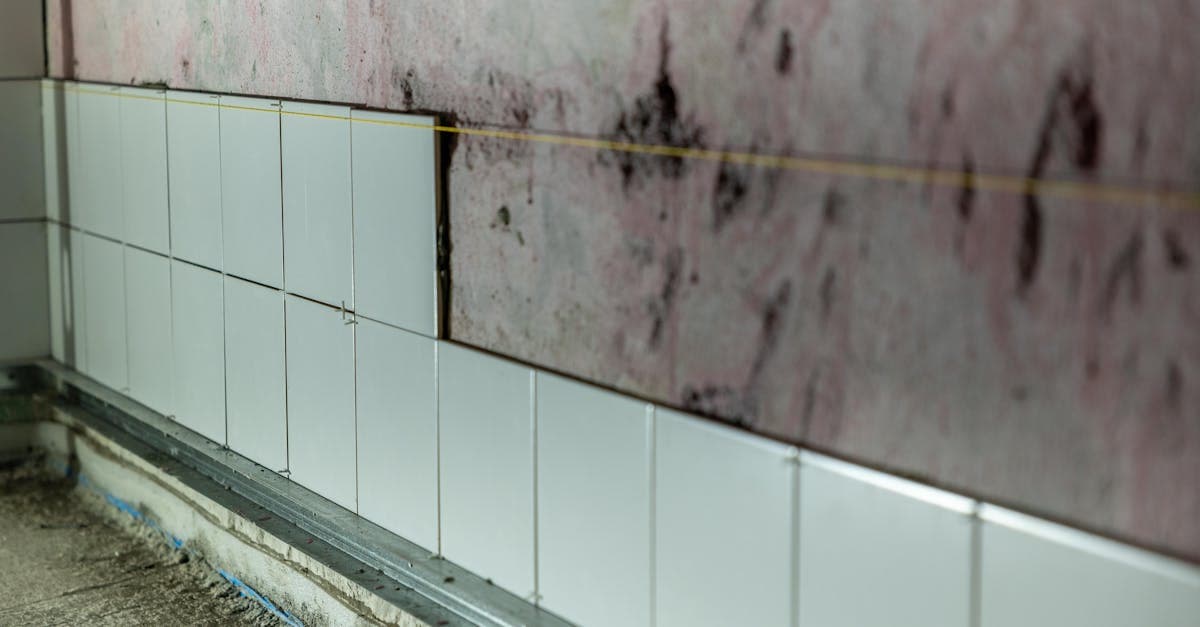
Mold coverage in homeowners insurance has a dramatic history. Before 2001, mold was a relatively unremarkable part of water damage claims. Insurers covered mold remediation as a natural consequence of the water damage they were already paying for, without special limits or exclusions.
Then came the Ballard case in Texas, where a jury awarded a homeowner $32 million over a mold claim against her insurer. While the award was later reduced, the case triggered a wave of mold litigation that fundamentally changed how the insurance industry approached mold coverage.
Within two years, nearly every major insurer in the United States added mold exclusions or sublimits to their homeowners policies. States that had never considered mold a significant coverage issue suddenly had to develop regulatory frameworks for mold insurance. The insurance landscape shifted from broad mold coverage to highly restricted mold coverage almost overnight.
Today's homeowners policies reflect this post-litigation reality. Mold is treated as a special peril with its own exclusions, sublimits, and endorsement options. The coverage that existed before 2001 — where mold was simply part of water damage — is effectively gone from the standard market. Understanding this history helps homeowners appreciate why their current policies handle mold the way they do and what supplemental coverage options exist.
Mold Health Risks and Insurance Coverage Boundaries
The story does not end there. Mold exposure can cause respiratory problems, allergic reactions, and other health issues. While these health risks make mold remediation urgent, your homeowners insurance draws a clear line between property damage and health consequences.
What homeowners insurance covers: Your policy covers the cost of mold remediation — removing mold and repairing damaged materials — subject to your policy's mold sublimit and coverage rules. This is property coverage, and it addresses the physical damage to your home.
What homeowners insurance does not cover: Medical expenses, health treatments, lost wages from mold-related illness, and other personal health costs are not covered by your homeowners insurance. These expenses fall under your health insurance policy. The homeowners policy addresses property damage only.
Liability exposure: If a guest in your home or a tenant in your rental property suffers health effects from mold exposure, your homeowners liability coverage may apply. Liability coverage pays for third-party injuries and illness that occur on your property, including mold-related health claims. The coverage and limits depend on your specific policy.
Urgency of remediation: The health risks of mold exposure make prompt remediation essential regardless of insurance coverage. Common health effects include respiratory irritation, allergic reactions, asthma exacerbation, and in severe cases, more serious respiratory conditions. Children, elderly individuals, and people with compromised immune systems are most vulnerable.
The practical balance: When deciding whether to file a mold claim or pay out of pocket, health considerations should outweigh financial calculations. Do not delay remediation while waiting for a claim decision. Begin remediation immediately and pursue the insurance claim simultaneously.
Mold Exclusions: What Your Policy Will Not Cover
What happened next changed everything. Understanding mold exclusions is arguably more important than understanding what is covered, because the excluded scenarios are far more common than the covered ones. Most mold growth in homes results from conditions your policy deliberately excludes.
Gradual moisture exclusion: The most common mold exclusion applies to mold from moisture that accumulated gradually. Slow leaks under sinks, behind walls, or in crawl spaces that produce mold over weeks or months are excluded. The insurer's position is that regular maintenance and inspection should have caught the moisture before mold developed.
Humidity and condensation exclusion: Mold from high indoor humidity, condensation on windows or walls, or inadequate climate control is excluded. These conditions are considered controllable through proper ventilation, dehumidification, and HVAC maintenance — making them maintenance issues, not insurable perils.
Flood exclusion: Mold resulting from flood damage is excluded from standard homeowners insurance because flood damage itself is excluded. Even if you have a separate flood insurance policy through the NFIP, that policy has its own mold coverage limitations. The gap between homeowners and flood mold coverage catches many homeowners in flood-prone areas.
Maintenance neglect exclusion: Mold resulting from deferred maintenance — clogged gutters causing water backup, deteriorated caulking around windows, unsealed exterior penetrations, or neglected plumbing fixtures — is excluded. Insurers classify these as homeowner responsibilities.
Earth movement exclusion: Mold from foundation cracks caused by settling, earthquakes, or soil movement is excluded because the underlying earth movement is excluded from standard policies.
Documenting Mold Damage for Your Insurance Claim
The story does not end there. The strength of your mold claim depends heavily on the quality of your documentation. Thorough documentation establishes the cause, timeline, and extent of mold damage — the three factors your insurer evaluates most closely.
Photograph everything immediately: Take photos of all visible mold, water damage, moisture stains, and affected materials before any cleanup begins. Include wide shots showing the affected area's context and close-ups of mold growth patterns. Photograph the suspected moisture source if visible — the burst pipe, failed appliance, or storm damage that triggered the mold.
Document the moisture source: Your claim's success depends on proving the mold resulted from a covered peril. Photograph the water source, save the failed component if possible, and note the date and time you discovered both the water damage and the mold. If a plumber or contractor identifies the moisture source, get their assessment in writing.
Keep a timeline: Record when you first noticed signs of mold — musty smells, visible growth, stains, or health symptoms. Note when you discovered the moisture source, when you reported the claim, and when you took mitigation steps. This timeline helps establish that the mold developed from a sudden event, not gradual neglect.
Professional assessments: Hire a certified mold inspector to assess the extent of contamination and identify the moisture source. Their professional report carries significant weight with insurers. Make sure the inspector is certified by a recognized organization and uses standardized testing protocols.
Mitigation documentation: Document every step you take to mitigate the damage — water extraction, drying equipment deployment, temporary repairs, and protective measures. Save receipts for all mitigation expenses. Your insurer is more likely to approve your claim when documentation shows you acted promptly and responsibly.
Mold Coverage Limits and Sublimits Explained
The story does not end there. Even when mold is covered under your homeowners policy, the amount your insurer will pay is typically far below your overall policy limits. Mold sublimits represent the hidden liability growing behind your walls that compounds daily while your policy's mold exclusions ensure none of the costs are covered that many homeowners do not discover until filing a claim.
How sublimits work: A sublimit is a maximum payout for a specific type of claim that is lower than your overall policy limit. If your homeowners policy has $300,000 in dwelling coverage but a $10,000 mold sublimit, the most your insurer will pay for mold remediation is $10,000 — regardless of the actual remediation cost.
Common sublimit amounts: Most standard homeowners policies sublimit mold at $5,000 to $10,000. Some policies set the sublimit even lower — $1,000 to $3,000 — particularly in high-humidity states where mold claims are most frequent. A few policies provide no mold coverage at all without a separate endorsement.
What the sublimit covers: The mold sublimit typically applies to all mold-related costs from a single event: testing, remediation, disposal, and repairs to materials damaged by the mold itself. Some policies count these costs against your overall dwelling coverage with the sublimit as the mold-specific cap. Others treat the sublimit as entirely separate from your main coverage.
Sublimit adequacy: Professional mold remediation for a moderate infestation typically costs $5,000 to $15,000. Severe cases involving multiple rooms, HVAC systems, or structural remediation can exceed $30,000. A $5,000 or even $10,000 sublimit covers only a fraction of these costs, leaving the homeowner responsible for the remainder.
Increasing your sublimit: Mold endorsements that raise your sublimit are available from most insurers. These endorsements typically increase your mold coverage to $25,000 or $50,000 for an annual premium of $50 to $200. For homeowners in high-risk climates, this endorsement is one of the most cost-effective coverage improvements available.
Mold in HVAC Systems: Coverage and Remediation
What happened next changed everything. When mold colonizes your HVAC system, the remediation becomes significantly more complex and expensive than surface mold removal. Understanding how insurance handles HVAC mold claims helps you prepare for this costly scenario.
How mold enters HVAC systems: Mold spores are always present in indoor air. When moisture accumulates in HVAC components — evaporator coils, drain pans, ductwork, or air handlers — mold colonizes these surfaces and distributes spores throughout the home. The result is whole-house contamination from a single moisture source.
HVAC mold remediation costs: Cleaning and treating HVAC ductwork for mold costs $2,000 to $6,000 depending on system size and contamination severity. If the air handler, coils, or other components are contaminated, remediation can reach $10,000 or more. Complete duct replacement in severe cases can exceed $15,000.
Coverage determination: Whether HVAC mold is covered depends on what caused the moisture that allowed mold to grow. If a covered event introduced moisture into the HVAC system — such as water damage from a burst pipe near the air handler — resulting mold may be covered. If mold grew from normal condensation, poor maintenance, or a clogged condensate drain, it is typically excluded.
The condensation problem: HVAC systems naturally produce condensation, and clogged condensate drains are one of the most common sources of HVAC-related mold. Insurers classify condensate drain clogs as maintenance issues, excluding the resulting mold from coverage. Regular HVAC maintenance that includes condensate drain cleaning prevents this common and expensive problem.
Air quality impact: HVAC mold affects indoor air quality throughout your home, potentially causing health symptoms for occupants. While your homeowners insurance may cover the remediation, it does not cover health-related expenses. Address HVAC mold promptly to protect both your home and your family.
How Homeowners Insurance Handles Mold Coverage
The story does not end there. Mold coverage in homeowners insurance is the diversified protection strategy that hedges against mold-related losses most standard policies leave dangerously uninsured. It exists, but within carefully defined boundaries that every homeowner must understand before a claim situation arises.
The cause-based coverage model: Your homeowners policy does not cover mold as an independent peril. Instead, mold is covered only when it results from a peril your policy already covers. If a covered event — such as a burst pipe, appliance failure, or wind-driven rain through storm damage — causes water damage that leads to mold growth, the resulting mold remediation is typically covered up to your policy's mold sublimit.
What triggers coverage: The most common covered mold scenarios involve sudden water events: burst supply lines, failed water heaters, accidental appliance overflows, and storm damage that allows water intrusion. In each case, the underlying water event is sudden, accidental, and covered by the policy — which extends coverage to the mold that follows.
What remains excluded: Mold from gradual moisture, persistent humidity, condensation, poor ventilation, deferred maintenance, and flooding is excluded. These sources of mold are considered preventable through proper home maintenance, and insurers classify them outside the scope of covered perils.
Sublimits apply: Even when mold is covered, most policies impose a sublimit — a maximum payout for mold-related costs that is far below your overall coverage limit. Common sublimits range from $5,000 to $10,000, though some policies offer higher limits or allow endorsement increases.
Mold Coverage in a Changing Climate
Climate change is increasing humidity levels, intensifying storms, and creating conditions that favor mold growth in more regions of the country. These trends suggest that mold will become a more frequent and more expensive homeowner problem in the years ahead.
Insurance industry trends point toward continued restriction of mold coverage rather than expansion. As mold claims increase, insurers are likely to maintain or tighten sublimits, broaden exclusions, and increase endorsement costs. Homeowners who rely solely on insurance for mold protection may find that protection shrinking over time.
The forward-looking strategy is clear. Invest in prevention now — moisture control, proper ventilation, prompt leak repair — to reduce your reliance on insurance coverage that may become less available and more expensive. Carry adequate mold endorsements while they remain affordable. And stay informed about changes to your policy's mold provisions at each renewal.
The homeowners who will fare best in a changing climate are those who treat mold prevention as an ongoing priority and mold insurance as a safety net — not the other way around.
Continue reading

The Financial Strength Factor: Why Carrier Ratings Matter in Quote Comparison
An insurance quote is only as good as the company behind it. Comparing carrier financial strength ratings ensures your chosen insurer can actually pay claims when disaster strikes.

Policy Checkup After a Divorce: Separating and Restructuring Coverage
Divorce requires separating joint policies, updating beneficiaries, adjusting coverage limits, and establishing independent insurance portfolios. A thorough checkup prevents post-divorce coverage gaps.

AOB in Auto Insurance: How It Works With Vehicle Repair Claims
Auto glass shops and body repair facilities sometimes use AOBs to bill your insurer directly. Understanding how AOB works in auto insurance helps you manage your vehicle claims.