Sprinkler System Discharge: Covered Water Damage You Did Not Expect

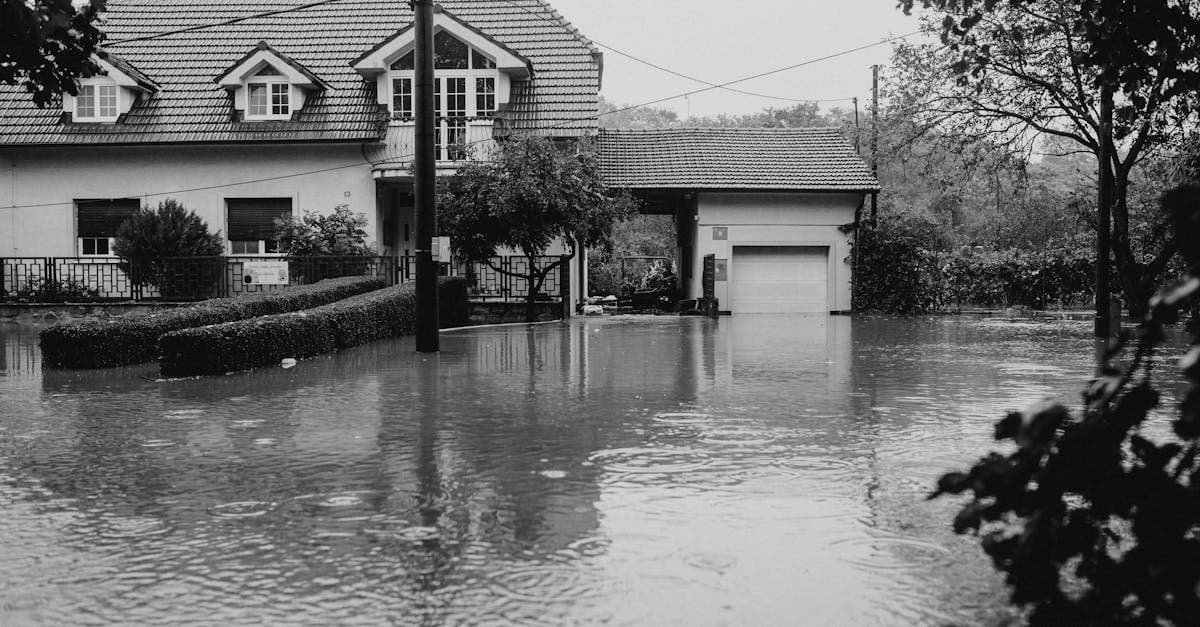
Water has been the enemy of human structures since the first buildings were constructed, and insurance against water damage has evolved significantly over the centuries. Early fire insurance policies in the 1700s covered only fire — water damage from any source was the homeowner's problem. As property insurance expanded in the 1800s and early 1900s, certain types of water damage were gradually added to coverage, but the industry has always drawn a sharp line between water events it considers insurable accidents and those it classifies as maintenance failures or catastrophic floods.
The modern homeowners policy, standardized in the 1950s, established the framework still used today. Sudden and accidental water damage from internal sources was covered. Flood damage was excluded entirely, eventually leading to the creation of the National Flood Insurance Program in 1968 after devastating floods left millions of uninsured homeowners without recourse. Sewer backup, groundwater seepage, and gradual leaks were excluded as maintenance-related risks.
Over the decades, water damage claims have grown steadily in both frequency and severity. Aging plumbing infrastructure in millions of American homes increases burst pipe risk every year. More powerful appliances with more complex water connections create more potential failure points. Climate change is driving more intense rainfall events that test both roof integrity and drainage systems.
Despite these trends, the basic coverage framework has remained largely unchanged. Homeowners insurance still covers sudden, accidental water damage and excludes gradual damage, floods, and sewer backups. What has changed is the availability of endorsements and supplemental policies that close these gaps — options that most homeowners do not know exist until after an excluded water event damages their home. This guide explains the coverage framework, the exclusions, and every available option for closing the gaps that water damage exposes.
Frozen Pipe Water Damage: Winter Coverage Rules Every Homeowner Needs
The story does not end there. Frozen pipes that burst are a covered water damage event under homeowners insurance, but coverage comes with an important condition: you must have taken reasonable steps to protect your plumbing from freezing. This maintenance requirement determines whether your frozen pipe claim is approved or denied.
The coverage basics: When freezing causes a pipe to burst, water damage to your home and belongings is covered. Dwelling coverage pays for structural repairs. Personal property coverage replaces damaged belongings. Loss of use pays for temporary housing if needed.
The maintenance condition: Your policy requires maintaining heat during cold weather or taking reasonable steps to protect plumbing. Turning off heat during a winter vacation may result in denial. Pipes in unheated areas that freeze due to lack of insulation face similar scrutiny.
What constitutes reasonable steps: Maintaining your thermostat at fifty-five degrees or above satisfies most policies. Opening cabinet doors during extreme cold, allowing faucets to drip, and insulating exposed pipes demonstrate reasonable care.
Snowbird and vacancy concerns: Extended winter absences elevate frozen pipe risk. Some insurers require weekly property checks, minimum thermostat settings, or water supply shutoff. Failing to meet these conditions can void coverage.
Prevention investments: Insulate pipes in unheated areas. Install a smart thermostat with temperature drop alerts. Consider an automatic shutoff system. These investments cost far less than the average frozen pipe claim.
Sudden vs Gradual Water Damage: The Line That Determines Coverage
The story does not end there. The most important distinction in homeowners water damage coverage is the difference between sudden and gradual damage, and your policy is the diversified insurance portfolio that protects your home equity from every category of water damage, from sudden pipe bursts to storm-driven rain entering through damaged roofs only for the sudden variety. Every water damage claim starts with your insurer asking one question: was this damage sudden and accidental, or did it develop gradually over time?
Sudden damage is covered: A pipe that bursts without warning, a washing machine hose that ruptures, a water heater that fails catastrophically, or a toilet that overflows suddenly — all trigger coverage under your homeowners policy. The defining characteristic is that the water escape was unexpected and rapid.
Gradual damage is excluded: A pipe fitting dripping behind a wall for months, a toilet running constantly causing subfloor rot, or a shower pan seeping water into joists over years — all are excluded under the maintenance provisions of your policy.
How insurers determine timing: Adjusters examine physical evidence. Mineral deposits suggest long-term dripping. Extensive mold indicates prolonged moisture. Discoloration reveals sustained water flow. Fresh damage with no secondary growth supports a sudden event.
The gray area: Many events fall between clearly sudden and clearly gradual. A fitting may have wept for weeks before failing catastrophically. Your insurer covers the sudden failure but may exclude damage from earlier gradual seepage. Documenting discovery timing strengthens borderline cases.
Protecting yourself: Regular plumbing inspections, prompt repair of small leaks, and water detection sensors catch gradual issues before they become excluded damage events.
Hidden Water Leaks: The Coverage Challenge Behind Your Walls
What happened next changed everything. Hidden water leaks present one of the most challenging coverage scenarios in homeowners insurance because the critical question — was this sudden or gradual — is often difficult to answer when the leak has been concealed behind walls, under floors, or above ceilings.
When hidden leaks are covered: A pipe behind a wall that bursts suddenly is covered regardless of its hidden location. The fact that you could not see the pipe does not change the coverage determination. Tear-out costs to access and repair the pipe are typically included in the claim.
When hidden leaks are excluded: If investigation reveals a pipe has been leaking for weeks or months — evidenced by mold growth, mineral deposits, wood rot, or widespread staining — the claim is denied as gradual damage. The hidden location does not excuse gradual failure.
The investigation process: Adjusters examine physical evidence of timing. Fresh damage with no mold or discoloration suggests a recent sudden event. Extensive secondary damage including mold colonies and deteriorated wood indicates prolonged moisture exposure. A plumber's assessment of the failure mode also factors into coverage.
Partial coverage scenarios: Some hidden leaks involve both sudden and gradual elements. A fitting may have seeped for weeks before failing completely. Your insurer may cover damage from the sudden failure while excluding damage from the earlier gradual phase. These split determinations are common in hidden leak claims.
Detection technology: Smart leak sensors detect water within hours, catching issues before they become excluded gradual damage. Sensor data documents the exact discovery timeline, providing evidence that supports sudden event coverage determinations.
Ice Dam Water Damage: Coverage for Cold-Climate Homeowners
The story does not end there. Ice dams form when heat escaping through your roof melts snow that refreezes at the eaves, creating a barrier that traps water on your roof. That trapped water backs up under shingles and leaks into your home, causing damage to ceilings, walls, insulation, and personal property. Homeowners insurance covers ice dam water damage as a sudden weather-related event.
What your policy covers: The water damage from ice dam backup is covered under dwelling and personal property sections — damaged ceilings, walls, insulation, flooring, and belongings destroyed by the water. Restoration expenses including extraction and drying are covered.
Roof damage from ice dams: Damage to shingles, flashing, and underlayment from ice dam formation is covered under dwelling coverage as damage from the weight of ice and snow.
Ice dam removal costs: Many policies cover ice dam removal as part of your duty to mitigate further damage. However, some insurers consider removal a maintenance expense if ice dams recur on your roof.
The maintenance angle: Insurers may scrutinize claims from homes with chronic ice dam problems. Inadequate attic insulation and ventilation contribute to formation, and repeated claims may prompt required improvements.
Prevention strategies: Proper attic insulation prevents heat escape through the roof. Adequate ventilation keeps the roof deck cold. Heat cables along eaves provide a last defense.
Groundwater Seepage: The Exclusion That Affects Every Basement
What happened next changed everything. Groundwater seepage — water that enters your basement or crawl space through foundation walls or floors due to hydrostatic pressure from saturated soil — is excluded from standard homeowners insurance. This exclusion affects millions of homeowners and has no widely available endorsement to close the gap.
Why groundwater is excluded: Insurers classify seepage as a combination of flood exposure and maintenance responsibility. Water originates externally at or below ground level, placing it in the flood category. Foundation waterproofing and drainage systems are maintenance responsibilities excluded alongside other upkeep failures.
What this means practically: If water seeps through basement cracks after heavy rain or a rising water table pushes moisture through your foundation, your homeowners insurance will not pay for the damage. Whether the seepage is minor dampness or inches of standing water, it is entirely your financial responsibility under a standard policy.
The distinction from covered damage: Covered basement water damage comes from internal sources — burst pipes, failed water heaters, overflowing sinks. The water originates inside the home and the failure is sudden. Groundwater enters from outside through the foundation, making it an excluded external source.
Protecting your basement: Install interior and exterior drainage systems. Apply waterproof coatings to foundation walls. Ensure grading directs water away from your foundation. Install a sump pump with battery backup. Prevention is your primary defense against damage your insurance will not cover.
Flood insurance consideration: Some groundwater events may qualify as flood damage under a separate flood insurance policy. If your basement regularly takes on external water, a flood policy may provide protection your homeowners coverage excludes.
Water Damage Claim Denied? Your Options and Next Steps
The story does not end there. Water damage claim denials are frustratingly common, but a denial is not always the final word. Understanding why claims are denied and what options you have after a denial helps you either prevent the denial or challenge it effectively.
Common denial reasons: The gradual damage exclusion is the most frequent reason — your insurer determines damage developed over time rather than suddenly. Flood exclusions, maintenance exclusions, late notification, and missing sewer backup endorsements account for most remaining denials across the water damage category.
Reviewing the denial letter: Your insurer must provide a written explanation citing specific policy language. Compare the cited exclusions to your actual policy wording. Determine whether the denial references the correct exclusion and whether the facts of your situation actually support the insurer's interpretation.
Requesting reconsideration: Submit a written request with supporting evidence — a plumber's report documenting sudden failure, photographs showing the damage timeline, or sensor data proving recent discovery. Include anything that contradicts the stated denial reason.
Public adjuster option: A public adjuster works for you, not the insurer, typically charging ten to fifteen percent of the claim settlement. For large water damage claims, their expertise in documentation and negotiation often recovers significantly more than their fee.
State insurance department complaints: File a complaint with your state insurance department if you believe the denial was in bad faith. The department investigates consumer complaints and can pressure insurers to reconsider wrongful denials, especially when the denial contradicts clear policy language.
The Future of Water Damage Coverage
Water damage coverage is evolving as technology, climate change, and consumer demand reshape the insurance landscape. Several trends will affect how homeowners protect against water damage in the coming years.
Smart home water management systems are becoming standard in new construction and increasingly popular in existing homes. Leak detection sensors, automatic shutoff valves, and water monitoring systems reduce both the frequency and severity of water damage events. Insurers are incentivizing adoption through premium discounts that can offset the cost of these systems within a few years.
Climate change is increasing the frequency of severe rainfall events, driving up both the occurrence and severity of water damage claims. This trend is pushing premiums higher in water-damage-prone areas and motivating insurers to offer more granular pricing based on individual home risk factors including plumbing age, foundation type, and drainage quality.
Parametric water damage coverage — insurance that pays a fixed amount when specific conditions are met — is emerging for flood events. These products could simplify and speed up claims for homeowners in flood-prone areas, paying based on measured water levels rather than traditional damage assessment.
The gradual damage exclusion is facing increasing scrutiny as smart leak detection technology makes it possible to document the exact moment a leak begins. Homeowners with sensor data proving a recent leak start may find it easier to challenge gradual damage determinations, potentially shifting the coverage landscape in favor of better-equipped homeowners.
Stay ahead of these trends by investing in water management technology, reviewing your coverage annually, and adding endorsements as new products become available. The future of water damage protection belongs to homeowners who combine smart technology with smart coverage decisions.
Continue reading

The Financial Strength Factor: Why Carrier Ratings Matter in Quote Comparison
An insurance quote is only as good as the company behind it. Comparing carrier financial strength ratings ensures your chosen insurer can actually pay claims when disaster strikes.

Policy Checkup After a Divorce: Separating and Restructuring Coverage
Divorce requires separating joint policies, updating beneficiaries, adjusting coverage limits, and establishing independent insurance portfolios. A thorough checkup prevents post-divorce coverage gaps.

AOB in Auto Insurance: How It Works With Vehicle Repair Claims
Auto glass shops and body repair facilities sometimes use AOBs to bill your insurer directly. Understanding how AOB works in auto insurance helps you manage your vehicle claims.