Tree Damage to Your Detached Garage: Insurance Coverage

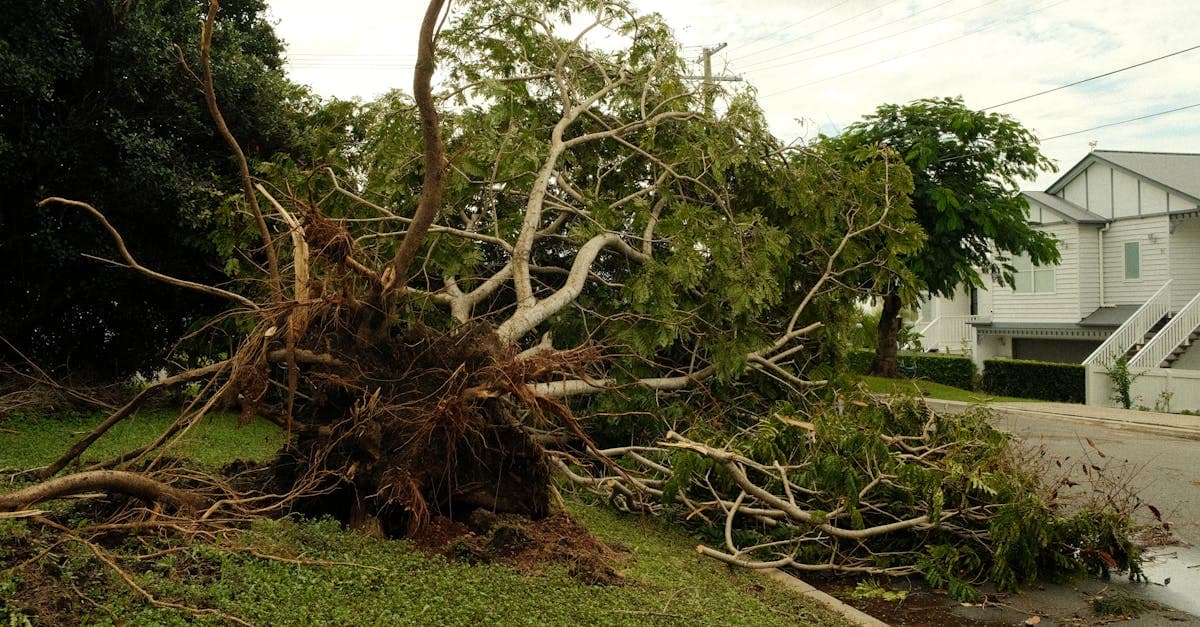
Fallen tree coverage has been a standard feature of homeowners insurance since the early days of residential policies. Trees have always fallen on houses, and the insurance industry recognized early that this predictable, common event needed clear coverage provisions.
The basic framework has remained consistent: dwelling coverage pays for structural damage from fallen trees, other structures coverage pays for damage to fences, sheds, and detached buildings, and tree removal has a per-tree coverage limit. These provisions have been refined over decades of claims experience but remain fundamentally the same.
What has changed is the complexity of the claims. Modern homes have more attached structures, more expensive roofing materials, more outdoor living spaces, and more sophisticated systems that can be damaged when a tree falls. A tree that crashes through a roof now may damage not just the structure but also solar panels, HVAC systems, smart home infrastructure, and expensive interior finishes.
Tree removal costs have also increased dramatically. What once cost a few hundred dollars now routinely costs thousands, particularly when heavy equipment is needed or when the tree is entangled with utility lines. The per-tree removal limits in many policies have not kept pace with these cost increases, creating a growing gap between coverage and actual expenses.
Understanding both the time-tested framework and the modern realities of fallen tree claims helps you navigate a coverage area that is simultaneously straightforward in principle and complex in practice.
Filing a Fallen Tree Insurance Claim: Step by Step
The story does not end there. When a tree falls on your property, following a structured claim process ensures you receive every dollar of coverage you are entitled to. These steps apply whether one tree or several trees caused the damage.
Step one — ensure safety: Do not enter a structure that has been compromised by a fallen tree until it is cleared as safe. Downed power lines, unstable structures, and gas leaks can all result from tree damage. Call 911 if you suspect any immediate hazards.
Step two — document before acting: Once safe, photograph and video all damage before any cleanup or temporary repairs. Capture the tree, the impact area, all structural and property damage, and the surrounding context. This pre-repair documentation is your most important evidence.
Step three — prevent further damage: Tarp roof openings, board broken windows, and remove standing water. Keep receipts for all materials and emergency services. These mitigation costs are reimbursable and your policy requires you to take these steps.
Step four — contact your insurer: Report the claim promptly. Provide basic information about when the tree fell, what it damaged, and the current state of the property. Request a claim number and timeline for adjuster contact.
Step five — get independent estimates: Before or alongside the adjuster's visit, obtain estimates from licensed contractors for structural repairs and from tree removal services for removal costs. Having your own estimates provides a basis for comparison with the adjuster's figures.
Step six — meet the adjuster: Be present during the adjuster's inspection. Walk them through all damage areas and provide your documentation. Point out damage that may not be immediately visible, such as interior water damage or damage to the far side of a structure.
Tree Falls on Your Car: Which Policy Pays
The story does not end there. Vehicle damage from a fallen tree is one of the most common points of confusion in tree-related claims. Your homeowners insurance does not cover damage to your vehicle — this is exclusively an auto insurance claim under your comprehensive coverage.
Auto comprehensive coverage: If you carry comprehensive coverage on your auto policy, damage from a fallen tree is a covered event. The insurer pays to repair or replace your vehicle minus your auto comprehensive deductible. This is true whether the tree fell from your property, your neighbor's property, or a public right-of-way.
No comprehensive coverage: If you do not carry comprehensive on your auto policy — common with older, lower-value vehicles — tree damage to your car is not covered by any insurance. Neither your homeowners nor your auto policy will pay for the damage. This is a significant coverage gap for drivers who drop comprehensive to save on premiums.
Where the tree came from does not matter: Unlike some property damage situations, the origin of the tree does not affect coverage. Your auto comprehensive covers tree damage to your vehicle regardless of where the tree was rooted. You do not need to identify the tree's owner or establish negligence.
Rental car coverage: If tree damage disables your vehicle, your auto policy's rental car reimbursement coverage provides a temporary vehicle while yours is being repaired. This coverage is an optional auto insurance endorsement, not part of your homeowners policy.
Parked vs driving: Your auto comprehensive coverage applies whether your vehicle was parked or in motion when the tree fell. A tree falling on your car while driving is still a comprehensive claim, not a collision claim, because the tree is an external falling object rather than a road surface collision.
Preventive Tree Care and Insurance
What happened next changed everything. While homeowners insurance does not pay for preventive tree removal or maintenance, investing in tree care reduces your risk of fallen tree damage and strengthens your insurance position when claims do arise. A well-maintained property demonstrates the care that insurers expect.
Regular inspections: Have your trees professionally inspected every few years, particularly large trees near structures. Arborists can identify disease, structural weakness, root problems, and other hazards before they result in tree failure. Keep inspection reports as evidence of due diligence.
Pruning and trimming: Regular pruning removes dead branches, reduces wind resistance, and improves tree health. Dead branches are the most common tree-related damage source — they break off in moderate winds and damage whatever is below. Removing them preventively eliminates the hazard.
Hazardous tree removal: When an arborist identifies a tree as hazardous, removing it promptly is both the safest and most financially sound decision. The cost of preventive removal is almost always less than the damage, deductible costs, and premium impact of a fallen tree claim.
Species selection for new plantings: When planting new trees, consider their mature size, root invasiveness, wood strength, and proximity to structures. Fast-growing species like silver maples are popular but are also among the most prone to storm damage due to brittle wood. Selecting wind-resistant species planted at appropriate distances from structures reduces long-term risk.
Insurance implications: Documenting your tree maintenance creates evidence that you fulfilled your property maintenance obligations. If a tree does fall despite regular care, this record demonstrates that the fall was genuinely unforeseeable rather than the result of neglect. This documentation can be valuable if the insurer questions whether the tree was properly maintained.
Tree Falls on Your Car: Which Policy Pays
The story does not end there. Vehicle damage from a fallen tree is one of the most common points of confusion in tree-related claims. Your homeowners insurance does not cover damage to your vehicle — this is exclusively an auto insurance claim under your comprehensive coverage.
Auto comprehensive coverage: If you carry comprehensive coverage on your auto policy, damage from a fallen tree is a covered event. The insurer pays to repair or replace your vehicle minus your auto comprehensive deductible. This is true whether the tree fell from your property, your neighbor's property, or a public right-of-way.
No comprehensive coverage: If you do not carry comprehensive on your auto policy — common with older, lower-value vehicles — tree damage to your car is not covered by any insurance. Neither your homeowners nor your auto policy will pay for the damage. This is a significant coverage gap for drivers who drop comprehensive to save on premiums.
Where the tree came from does not matter: Unlike some property damage situations, the origin of the tree does not affect coverage. Your auto comprehensive covers tree damage to your vehicle regardless of where the tree was rooted. You do not need to identify the tree's owner or establish negligence.
Rental car coverage: If tree damage disables your vehicle, your auto policy's rental car reimbursement coverage provides a temporary vehicle while yours is being repaired. This coverage is an optional auto insurance endorsement, not part of your homeowners policy.
Parked vs driving: Your auto comprehensive coverage applies whether your vehicle was parked or in motion when the tree fell. A tree falling on your car while driving is still a comprehensive claim, not a collision claim, because the tree is an external falling object rather than a road surface collision.
Preventive Tree Care and Insurance
What happened next changed everything. While homeowners insurance does not pay for preventive tree removal or maintenance, investing in tree care reduces your risk of fallen tree damage and strengthens your insurance position when claims do arise. A well-maintained property demonstrates the care that insurers expect.
Regular inspections: Have your trees professionally inspected every few years, particularly large trees near structures. Arborists can identify disease, structural weakness, root problems, and other hazards before they result in tree failure. Keep inspection reports as evidence of due diligence.
Pruning and trimming: Regular pruning removes dead branches, reduces wind resistance, and improves tree health. Dead branches are the most common tree-related damage source — they break off in moderate winds and damage whatever is below. Removing them preventively eliminates the hazard.
Hazardous tree removal: When an arborist identifies a tree as hazardous, removing it promptly is both the safest and most financially sound decision. The cost of preventive removal is almost always less than the damage, deductible costs, and premium impact of a fallen tree claim.
Species selection for new plantings: When planting new trees, consider their mature size, root invasiveness, wood strength, and proximity to structures. Fast-growing species like silver maples are popular but are also among the most prone to storm damage due to brittle wood. Selecting wind-resistant species planted at appropriate distances from structures reduces long-term risk.
Insurance implications: Documenting your tree maintenance creates evidence that you fulfilled your property maintenance obligations. If a tree does fall despite regular care, this record demonstrates that the fall was genuinely unforeseeable rather than the result of neglect. This documentation can be valuable if the insurer questions whether the tree was properly maintained.
Tree Removal Costs: What Your Policy Covers
What happened next changed everything. Tree removal after a fall is often the most misunderstood aspect of fallen tree coverage. Your homeowners policy covers removal costs, but with specific limits and conditions that frequently leave homeowners paying more than expected out of pocket.
Per-tree removal limits: Most homeowners policies cap tree removal at $500 to $1,000 per tree. This limit applies to each individual tree regardless of the total damage. When a single large tree requires a crane, specialized equipment, and a full crew to remove from your roof, the actual cost can easily exceed $3,000 to $5,000 — well beyond the per-tree cap.
When removal is covered: Tree removal is covered when the fallen tree has damaged a covered structure or is blocking a driveway, accessibility ramp, or other access point. The tree must have fallen due to a covered peril such as wind, lightning, ice, or the weight of snow. A tree that falls in your yard without hitting anything or blocking access is generally not covered for removal.
The structure requirement: This is where many homeowners face gaps. A tree that falls across your lawn, misses every structure, and blocks nothing is entirely your expense to remove. The same tree, had it clipped your fence on the way down, would trigger both structural repair coverage and tree removal coverage. This all-or-nothing approach based on what the tree hit frustrates homeowners who face removal costs regardless.
Multiple trees in one event: When a storm topples several trees, your deductible typically applies once to the entire storm event. However, each tree's removal is subject to its own per-tree limit. Five trees down with a $500 per-tree limit means a maximum of $2,500 in tree removal coverage, even if actual removal costs far exceed that figure.
Negotiating removal costs: If the tree removal cost exceeds your per-tree limit, discuss the situation with your adjuster. Some insurers will apply unused removal limits from trees that cost less to remove toward trees that cost more, though this is not guaranteed. Getting multiple removal estimates helps you manage costs and demonstrates reasonableness to the insurer.
Tree Risk in a Changing Environment
Tree-related damage claims are increasing as severe weather events become more frequent. Stronger storms, longer droughts that weaken root systems, and invasive pest species that kill trees are all contributing to more tree falls and more insurance claims.
For homeowners, this trend means tree management is becoming more important, not less. The trees that provided shade and beauty for decades may become hazards as climate conditions change and extreme weather intensifies.
Stay proactive about tree care. Schedule regular inspections, remove hazards promptly, and plant new trees with storm resistance in mind. Choose species rated for your local wind conditions and plant them at appropriate distances from structures.
Review your fallen tree coverage annually as part of your overall insurance review. Ask about endorsements that increase tree removal limits or expand coverage for landscaping. As tree risk evolves, your coverage should evolve with it.
The best approach to fallen trees is to prevent what you can, prepare for what you cannot prevent, and understand your coverage for when prevention falls short. That three-part strategy serves you through every storm season.
Continue reading

The Financial Strength Factor: Why Carrier Ratings Matter in Quote Comparison
An insurance quote is only as good as the company behind it. Comparing carrier financial strength ratings ensures your chosen insurer can actually pay claims when disaster strikes.

Policy Checkup After a Divorce: Separating and Restructuring Coverage
Divorce requires separating joint policies, updating beneficiaries, adjusting coverage limits, and establishing independent insurance portfolios. A thorough checkup prevents post-divorce coverage gaps.

AOB in Auto Insurance: How It Works With Vehicle Repair Claims
Auto glass shops and body repair facilities sometimes use AOBs to bill your insurer directly. Understanding how AOB works in auto insurance helps you manage your vehicle claims.