Other Structures Coverage Claim Process: Filing and Settlement Explained

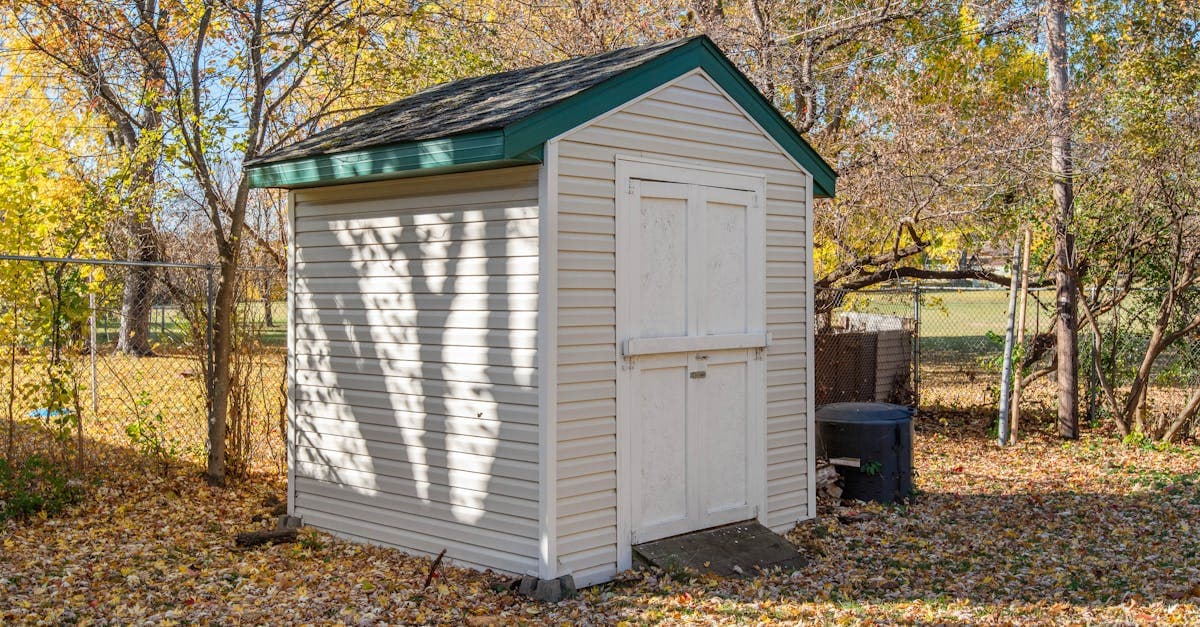
Other structures coverage has been a standard component of homeowners insurance since the Insurance Services Office created the first standardized policy forms in the 1950s. Designated as Coverage B, it was designed to extend property protection beyond the main dwelling to the full footprint of detached buildings and structures on the insured property.
In the earliest homeowners policies, most properties had modest detached structures — perhaps a separate garage, a storage shed, and a fence. The 10 percent default limit relative to dwelling coverage was generally adequate for these basic structures. Few homeowners needed to think about whether their Coverage B limit was sufficient.
The modern American property has evolved considerably. Today's homes may include detached workshops, pool houses, elaborate outdoor living structures, guest cottages, home office buildings, and extensive fencing and landscaping structures. The aggregate replacement cost of these detached structures can easily exceed the traditional 10 percent formula.
Climate change has also increased the relevance of other structures coverage. More frequent and intense storms mean more wind damage to fences, more hail damage to shed roofs, and more fallen trees crashing into detached garages. The perils that trigger Coverage B claims are becoming more common and more severe.
Today, other structures coverage deserves the same level of attention that homeowners give to dwelling coverage. Understanding Coverage B, verifying the limit, and adjusting for the actual replacement cost of all detached structures on your property is an essential part of comprehensive homeowners insurance planning.
Building Code Compliance When Rebuilding Detached Structures
The story does not end there. When a detached structure is damaged and needs to be rebuilt, current building codes may require upgrades that did not exist when the structure was originally constructed. Understanding how code compliance affects Coverage B claims prevents unexpected out-of-pocket costs.
The code upgrade problem: Building codes for detached structures have become more stringent over time, particularly for electrical systems, structural connections, and wind resistance. A shed built 20 years ago may not meet current codes for anchoring, wiring, or structural bracing. Rebuilding to current code costs more than simply replicating the original structure.
What standard Coverage B pays: Standard other structures coverage pays to restore the damaged structure to its pre-loss condition — the specifications and standards of the original construction. Code-required upgrades beyond the original specs may not be covered without an ordinance or law endorsement.
Detached garage code requirements: Modern building codes often require detached garages to have specific electrical standards, fire-rated walls when near property lines, and structural connections designed to resist wind loads. Upgrading a pre-existing garage to these standards during a rebuild adds cost.
Electrical upgrades: Older detached structures may have outdated electrical wiring that does not meet current codes. Rebuilding after a loss requires bringing the electrical system up to current standards, which can add $2,000 to $10,000 depending on the structure's size and electrical needs.
Permits and inspections: Rebuilding a damaged detached structure typically requires building permits and inspections. These costs are generally included in your Coverage B claim as part of the reconstruction process.
The ordinance or law endorsement: If your homeowners policy includes ordinance or law coverage, it extends to Coverage B claims as well. This endorsement pays for the additional cost of bringing damaged detached structures up to current code requirements during rebuilding.
Detached Garage Coverage: The Most Valuable Other Structure
The story does not end there. For most homeowners, the detached garage is the single most valuable structure covered under Coverage B. Understanding how other structures coverage applies specifically to detached garages ensures this significant investment is fully protected. This is about allocating coverage resources across your entire property to ensure every detached structure contributes to a fully protected balance sheet.
Replacement cost of detached garages: A basic single-car detached garage costs $15,000 to $25,000 to rebuild. A standard two-car detached garage ranges from $25,000 to $45,000. A larger three-car garage or a garage with finished space above can cost $45,000 to $80,000 or more. These amounts represent a substantial portion of most Coverage B limits.
Common detached garage claims: Wind damage to garage doors and roofing is the most frequent claim. Fallen trees that crash through the roof or walls generate the largest payouts. Fire damage — whether from the garage itself or spreading from nearby — can total the structure entirely.
Garage contents vs garage structure: Coverage B protects the physical garage structure — walls, roof, foundation, doors, electrical, and plumbing. The vehicles and personal property inside the garage are covered under your auto policy (for vehicles) and Coverage C personal property (for belongings), not under Coverage B.
Garage door replacement: Garage doors are one of the most commonly damaged components, particularly during windstorms. A standard two-car garage door costs $1,500 to $4,000 to replace including installation. High-wind-rated or insulated doors cost more.
Impact on Coverage B limit: Because a detached garage represents such a large portion of most Coverage B limits, losing the garage in a total loss may consume most of your available coverage. If you also have fencing, sheds, and other structures, a garage loss could leave insufficient Coverage B funds for other structure repairs.
The case for increasing Coverage B: If your detached garage replacement cost exceeds 50 percent of your Coverage B limit, consider increasing the limit. A total garage loss combined with fence or shed damage could exceed your coverage without an increase.
Replacement Cost vs Actual Cash Value for Other Structures
What happened next changed everything. The valuation method used for your other structures coverage determines how much you actually receive after a claim. Understanding whether your policy uses replacement cost or actual cash value for Coverage B prevents payout surprises.
Replacement cost for other structures: If your policy uses replacement cost valuation for Coverage B, the insurer pays the full current cost to repair or rebuild the damaged structure without deducting depreciation. A 15-year-old shed that is destroyed gets replaced with a new shed at today's prices.
Actual cash value for other structures: ACV valuation deducts depreciation from the replacement cost based on the age and condition of the damaged structure. A 15-year-old fence with a 20-year expected lifespan might receive only 25 percent of the replacement cost, with the remaining 75 percent coming from your pocket.
Policy-wide vs coverage-specific valuation: Some policies apply the same valuation method to all coverages, while others may use replacement cost for dwelling coverage but actual cash value for other structures. Check your policy to confirm which valuation method applies specifically to Coverage B.
The depreciation impact on older structures: Older detached structures suffer the most under actual cash value. A 20-year-old detached garage that costs $40,000 to rebuild might receive only $15,000 to $20,000 under ACV after depreciation. The gap forces you to contribute $20,000 to $25,000 out of pocket for a complete rebuild.
Requesting replacement cost for Coverage B: If your policy uses actual cash value for other structures, ask your agent about upgrading to replacement cost valuation. The additional premium is typically modest compared to the improved payout on a claim.
Documentation supports replacement cost claims: Maintaining records of when detached structures were built, what materials were used, and what improvements have been made supports your replacement cost claim. Receipts, photographs, and building permits help establish the original quality and specifications of each structure.
Detached Garage Coverage: The Most Valuable Other Structure
The story does not end there. For most homeowners, the detached garage is the single most valuable structure covered under Coverage B. Understanding how other structures coverage applies specifically to detached garages ensures this significant investment is fully protected. This is about allocating coverage resources across your entire property to ensure every detached structure contributes to a fully protected balance sheet.
Replacement cost of detached garages: A basic single-car detached garage costs $15,000 to $25,000 to rebuild. A standard two-car detached garage ranges from $25,000 to $45,000. A larger three-car garage or a garage with finished space above can cost $45,000 to $80,000 or more. These amounts represent a substantial portion of most Coverage B limits.
Common detached garage claims: Wind damage to garage doors and roofing is the most frequent claim. Fallen trees that crash through the roof or walls generate the largest payouts. Fire damage — whether from the garage itself or spreading from nearby — can total the structure entirely.
Garage contents vs garage structure: Coverage B protects the physical garage structure — walls, roof, foundation, doors, electrical, and plumbing. The vehicles and personal property inside the garage are covered under your auto policy (for vehicles) and Coverage C personal property (for belongings), not under Coverage B.
Garage door replacement: Garage doors are one of the most commonly damaged components, particularly during windstorms. A standard two-car garage door costs $1,500 to $4,000 to replace including installation. High-wind-rated or insulated doors cost more.
Impact on Coverage B limit: Because a detached garage represents such a large portion of most Coverage B limits, losing the garage in a total loss may consume most of your available coverage. If you also have fencing, sheds, and other structures, a garage loss could leave insufficient Coverage B funds for other structure repairs.
The case for increasing Coverage B: If your detached garage replacement cost exceeds 50 percent of your Coverage B limit, consider increasing the limit. A total garage loss combined with fence or shed damage could exceed your coverage without an increase.
Replacement Cost vs Actual Cash Value for Other Structures
What happened next changed everything. The valuation method used for your other structures coverage determines how much you actually receive after a claim. Understanding whether your policy uses replacement cost or actual cash value for Coverage B prevents payout surprises.
Replacement cost for other structures: If your policy uses replacement cost valuation for Coverage B, the insurer pays the full current cost to repair or rebuild the damaged structure without deducting depreciation. A 15-year-old shed that is destroyed gets replaced with a new shed at today's prices.
Actual cash value for other structures: ACV valuation deducts depreciation from the replacement cost based on the age and condition of the damaged structure. A 15-year-old fence with a 20-year expected lifespan might receive only 25 percent of the replacement cost, with the remaining 75 percent coming from your pocket.
Policy-wide vs coverage-specific valuation: Some policies apply the same valuation method to all coverages, while others may use replacement cost for dwelling coverage but actual cash value for other structures. Check your policy to confirm which valuation method applies specifically to Coverage B.
The depreciation impact on older structures: Older detached structures suffer the most under actual cash value. A 20-year-old detached garage that costs $40,000 to rebuild might receive only $15,000 to $20,000 under ACV after depreciation. The gap forces you to contribute $20,000 to $25,000 out of pocket for a complete rebuild.
Requesting replacement cost for Coverage B: If your policy uses actual cash value for other structures, ask your agent about upgrading to replacement cost valuation. The additional premium is typically modest compared to the improved payout on a claim.
Documentation supports replacement cost claims: Maintaining records of when detached structures were built, what materials were used, and what improvements have been made supports your replacement cost claim. Receipts, photographs, and building permits help establish the original quality and specifications of each structure.
What Other Structures Coverage Does Not Cover: Key Exclusions
What happened next changed everything. Despite its broad scope, other structures coverage has specific exclusions that define the boundaries of protection for your detached structures. Understanding these exclusions helps you identify where supplemental coverage or alternative risk management is needed.
Flood damage: Standard Coverage B does not cover flood damage to detached structures. Rising water, storm surge, and surface water runoff that damages your fence, shed, or detached garage requires a separate flood insurance policy.
Earthquake damage: Structural damage to detached buildings from earthquakes and earth movement is excluded from standard other structures coverage. A separate earthquake policy or endorsement is needed for seismic protection.
Normal wear and tear: Coverage B does not pay for deterioration from age, weathering, or normal use. A fence that rots over time, a shed roof that wears out, or a garage that needs repainting due to sun exposure are maintenance responsibilities, not insurable losses.
Business use exclusion: If a detached structure is used primarily for business purposes — a commercial workshop, a rental unit, or a retail space — standard Coverage B may exclude or limit coverage. Business use typically requires disclosure to your insurer and may need additional endorsements.
Structures on rented land: Coverage B typically applies only to structures on the property where the insured home is located. Structures you own on land you do not own or that is rented separately may not qualify.
Pest and vermin damage: Damage to detached structures from termites, carpenter ants, rodents, and other pests is excluded. Pest prevention for outbuildings is a homeowner maintenance responsibility.
Other Structures Coverage in a Changing Property Landscape
The trend toward more extensive outdoor living spaces, detached home offices, and accessory dwelling units is increasing the importance of adequate Coverage B limits. As properties become more complex, the default 10 percent formula becomes increasingly inadequate for many homeowners.
Construction costs for detached structures continue to rise with material costs and labor rates. A fence that cost $6,000 to install five years ago may cost $10,000 to replace today. A detached garage that was worth $30,000 may now cost $45,000 to rebuild. These increases erode the adequacy of Coverage B limits that have not been reviewed.
Climate trends are increasing the frequency of storms that damage detached structures. More intense wind events, larger hail, and more frequent severe thunderstorms mean that the probability of filing a Coverage B claim is rising. Adequate coverage is more important than ever.
Stay ahead of these trends by reviewing your Coverage B limit annually, updating your agent about new detached structures, and adjusting your coverage for current construction costs. The detached structures on your property represent real value — make sure your other structures coverage protects every dollar of it.
Continue reading

The Financial Strength Factor: Why Carrier Ratings Matter in Quote Comparison
An insurance quote is only as good as the company behind it. Comparing carrier financial strength ratings ensures your chosen insurer can actually pay claims when disaster strikes.

Policy Checkup After a Divorce: Separating and Restructuring Coverage
Divorce requires separating joint policies, updating beneficiaries, adjusting coverage limits, and establishing independent insurance portfolios. A thorough checkup prevents post-divorce coverage gaps.

AOB in Auto Insurance: How It Works With Vehicle Repair Claims
Auto glass shops and body repair facilities sometimes use AOBs to bill your insurer directly. Understanding how AOB works in auto insurance helps you manage your vehicle claims.